


Diabetes mellitus is a metabolic disorder resulting from the body's inability to properly manage glucose, its primary source of energy. Under normal physiological conditions, the pancreas secretes insulin to act as a "key," allowing glucose molecules to pass from the bloodstream into the cells. When this process fails—either because the body does not produce enough insulin (Type 1) or cannot use it effectively (Type 2)—glucose levels in the blood can become dangerously high or low. Managing these fluctuations is essential to preventing serious complications, including permanent brain damage or death.
Monitoring Glucose Levels
To manage diabetes effectively, patients must frequently monitor their blood glucose levels. This information informs critical decisions regarding dietary intake and insulin administration.
Blood Glucose Meters
Most patients utilize standard home blood glucose meters for periodic testing. These devices require a small sample of blood to provide a reading of the current glucose concentration in milligrams per deciliter ().
Continuous Glucose Monitors (CGM)
A more advanced option is the continuous glucose monitor. Unlike periodic finger-stick tests, a CGM utilizes a sensor placed under the skin to provide real-time data, offering readings as frequently as every five minutes.
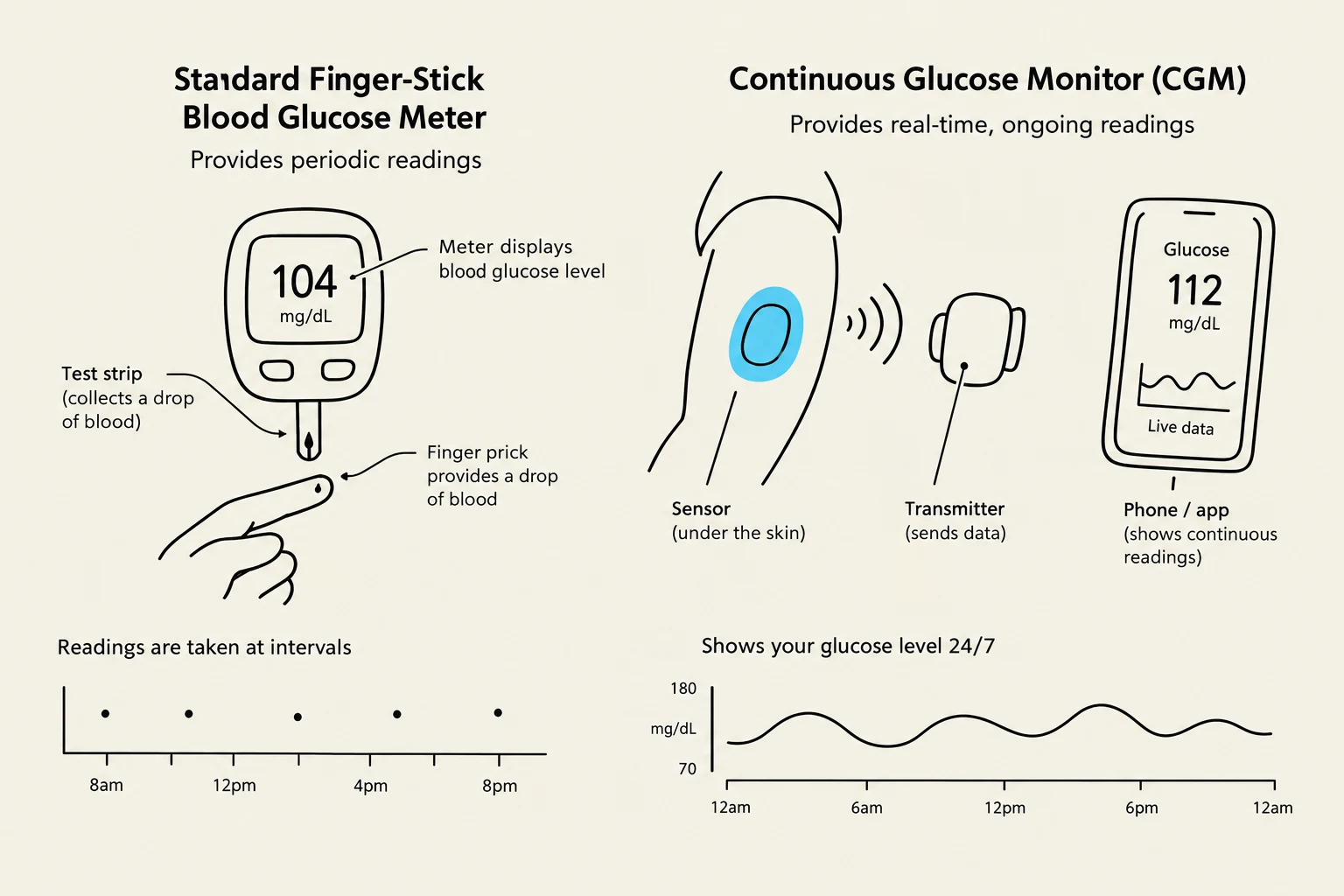
Clinical Note: When interpreting meter results, always question any reading that is inconsistent with the patient's physical symptoms. Inaccurate readings can be caused by expired or improperly stored test strips, insufficient blood volume, uncalibrated meters, or poor maintenance. Additionally, EMTs should never use a patient's personal glucose meter for clinical assessment.
Keep reading for free.
Create an account to finish this reading and make it part of your study routine.
Continue reading freeAlready have an account? Log in
Updated