


Altered mental status (AMS) is a critical clinical sign indicating that the brain is not functioning normally. Normal consciousness is regulated by the Reticular Activating System (RAS), which is responsible for maintaining wakefulness and attention. For the RAS to function, the brain requires a constant supply of oxygen, glucose, and water. When these requirements are not met—due to metabolic disruptions, trauma, infection, or toxins—the patient's mental state will shift.
Understanding the distinction between metabolic emergencies, such as diabetes, and neurological events, such as seizures, is essential for providing life-saving intervention.
Diabetes-Related Alterations
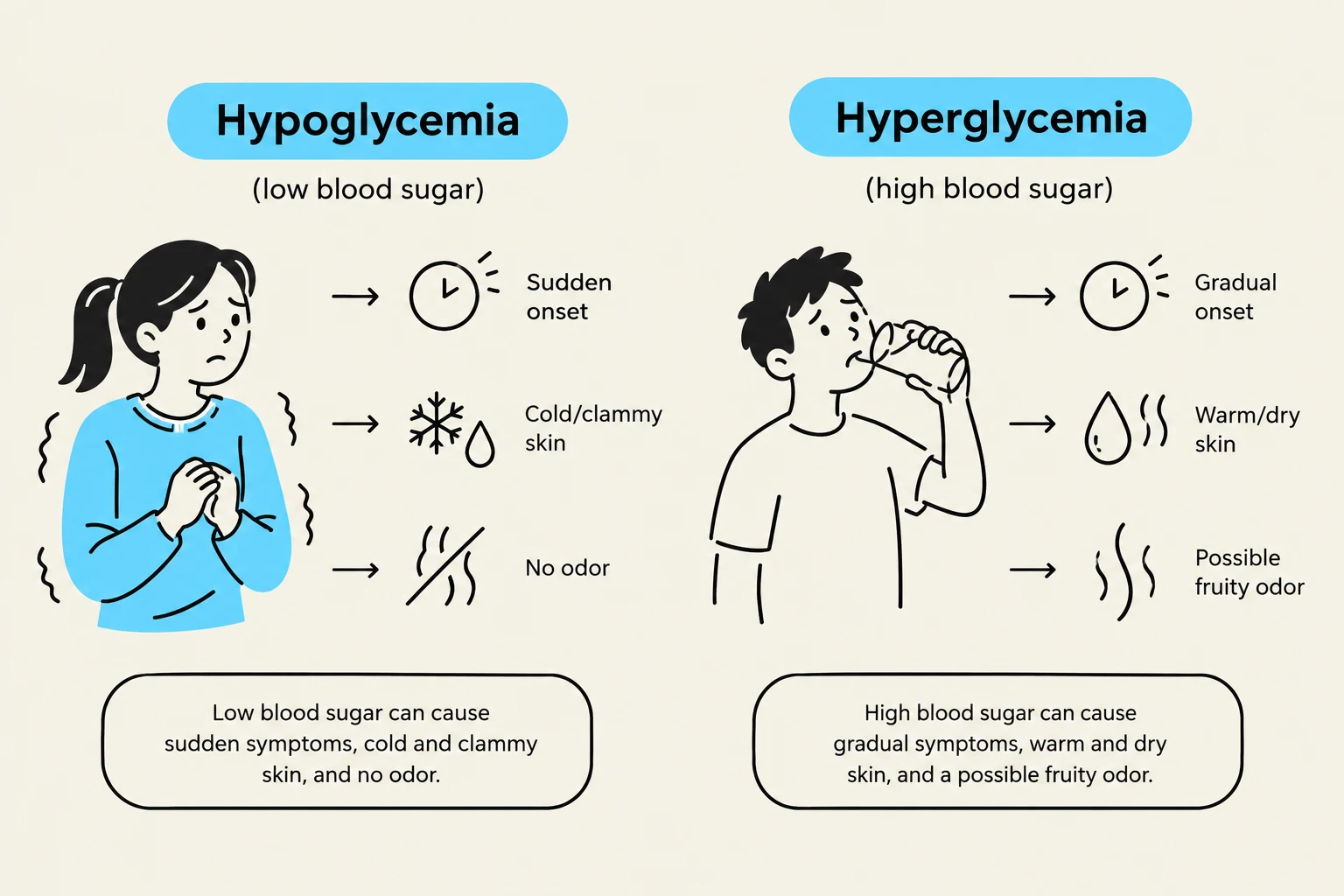
Diabetes mellitus occurs when the body either does not produce enough insulin or cannot use the insulin it produces effectively. Because insulin acts as a "key" to allow glucose to enter cells for energy, a deficiency leads to cells starving even if blood sugar levels are high. This imbalance results in two primary emergencies: hypoglycemia and hyperglycemia.
Hypoglycemia (Low Blood Sugar)
Hypoglycemia is a rapid-onset emergency caused by too much insulin, insufficient food intake, or excessive physical exertion. When blood sugar drops, the brain and body cells starve, which can lead to unconsciousness or permanent brain damage if not treated quickly.
Key Clinical Signs:
- Onset: Sudden.
- Skin: Cold and clammy.
- Behavior: Abnormal behavior that may mimic a drunken stupor, anxiety, or combativeness.
- Other: Tachycardia (rapid heart rate) and rapid breathing.
Hyperglycemia (High Blood Sugar)
Hyperglycemia develops much more slowly, often over days or weeks. It is typically caused by insulin deficiency, often due to missed doses or infection. As the body's cells starve, they begin to burn fats and proteins, producing waste products that lead to Diabetic Ketoacidosis (DKA).
Keep reading for free.
Create an account to finish this reading and make it part of your study routine.
Continue reading freeAlready have an account? Log in
Updated