


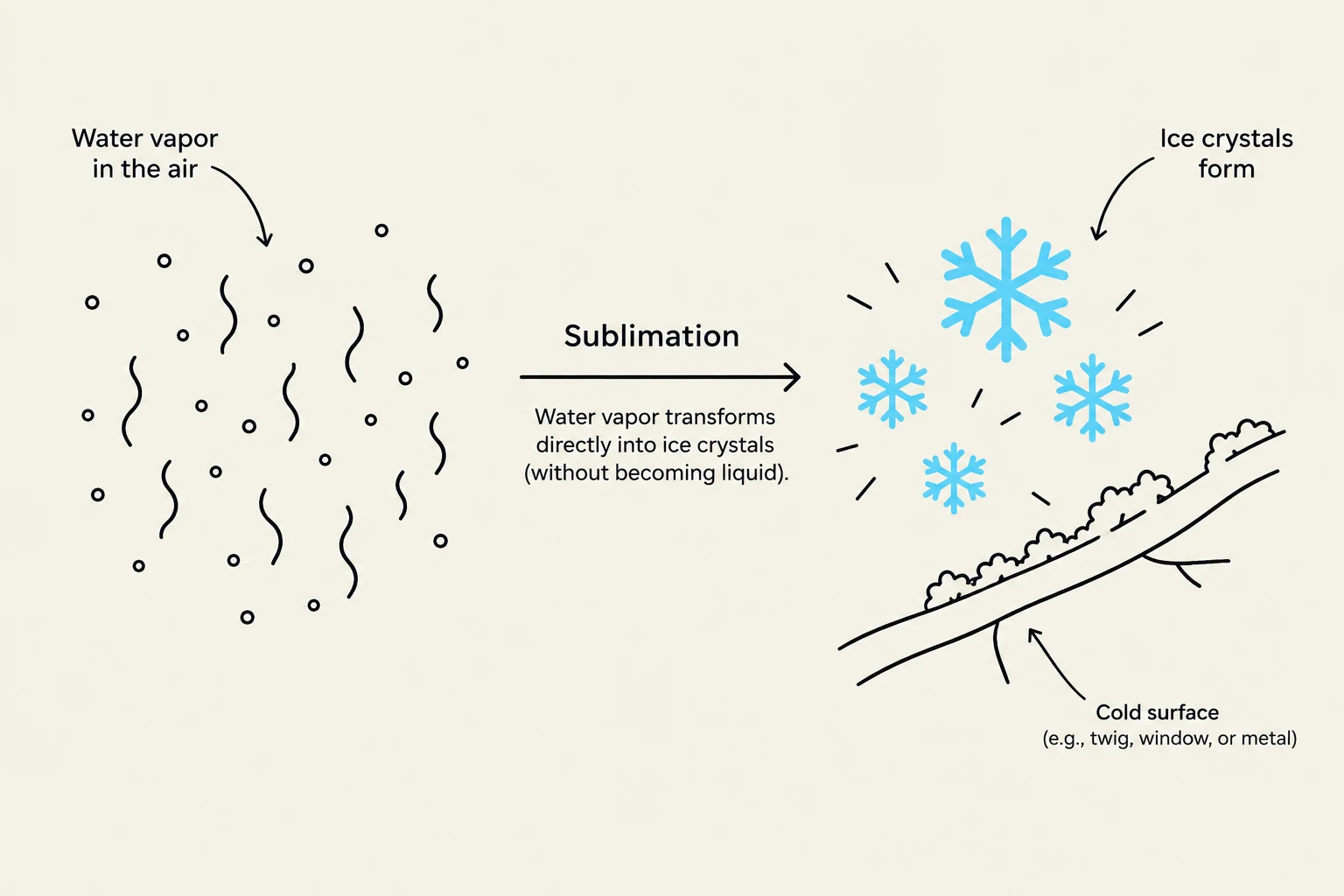
While most pilots are trained to watch for the heavy, obvious accumulation of clear or rime ice during cloud penetration, some of the most insidious threats to aircraft performance come from much lighter substances: dry snow, ice crystals, and hoar frost. These phenomena often occur in "clear air" or during ground operations, making them difficult to detect until the aircraft's aerodynamic characteristics have already been compromised. Understanding the transition from liquid water to solid ice, and the unique ways these particles interact with an airframe, is critical for flight safety.
Super-cooled Water and the Freezing Process
To understand why snow and crystals behave differently than standard icing, we must first understand the role of super-cooled water. In many cloud environments, water droplets exist in a liquid state even though the ambient temperature is well below . These are known as "super-cooled" water droplets.
When these droplets impact an aircraft surface that is below freezing, the collision triggers an immediate phase change, causing them to freeze and coat the airframe. This process is influenced by the release of latent heat of fusion; as the droplet freezes, it releases heat that warms the remaining liquid, temporarily slowing the freezing rate.
Exam Tip: The rate of freezing after impact depends heavily on both the air temperature and the temperature of the aircraft skin. The closer these temperatures are to , the more the water will spread across the surface before fully freezing.

Keep reading for free.
Create an account to finish this reading and make it part of your study routine.
Continue reading freeAlready have an account? Log in
Updated