


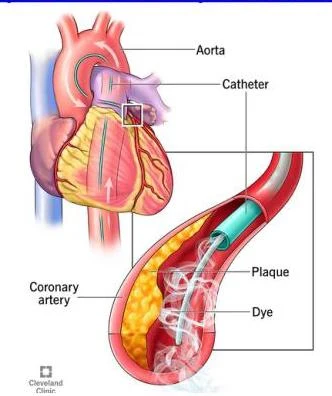
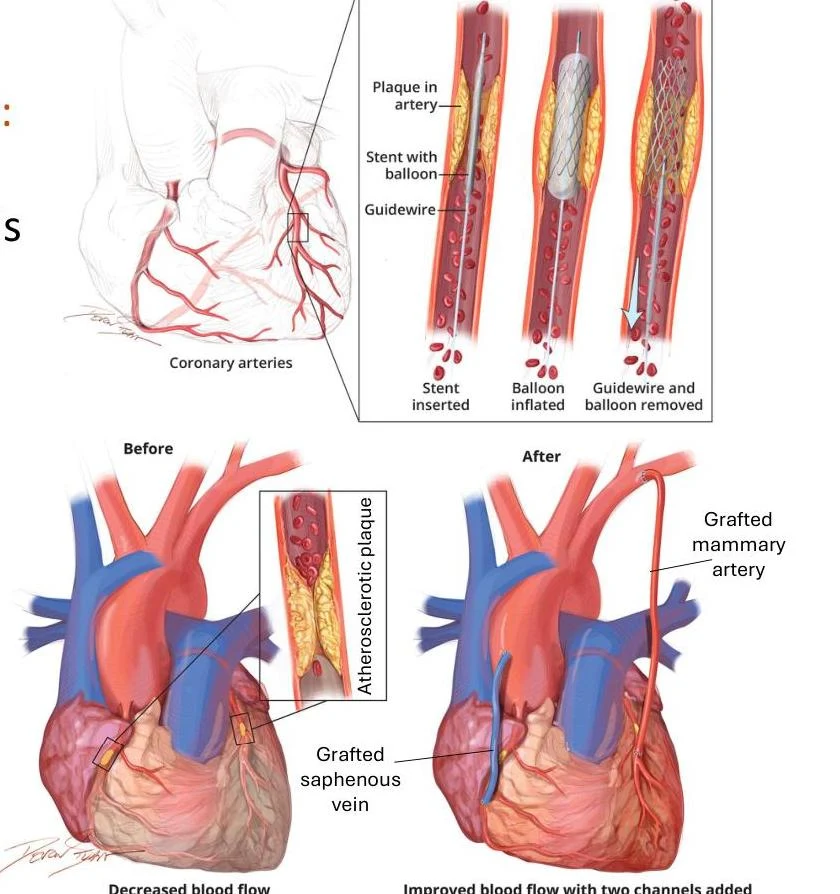
Acute Coronary Syndrome (ACS) represents a spectrum of clinical conditions ranging from unstable angina to myocardial infarction, all stemming from a sudden reduction in blood flow to the heart muscle. This reduction is most commonly driven by the progression of atherosclerosis, where plaque buildup in the coronary arteries leads to ischemia or complete occlusion. Understanding the clinical presentation, rapid diagnostic pathways, and urgent management strategies is critical for improving patient outcomes and preventing permanent myocardial damage.
Clinical Manifestations of Angina
The hallmark of ACS is angina, which is chest pain or discomfort resulting from myocardial ischemia. Patients often describe this sensation as pressure, tightness, heaviness, or squeezing in the chest. A classic clinical sign is Levine's sign, where a patient clutches their chest with a clenched fist to describe the pain.
Pain from ACS is rarely localized to the chest alone; it frequently radiates to the jaw, neck, shoulders, or down the arms (most commonly the left arm). Beyond chest pain, clinicians must look for associated systemic symptoms that indicate cardiac distress:
- Dyspnea: Shortness of breath due to impaired cardiac function.
- Diaphoresis: Profuse sweating.
- Gastrointestinal distress: Nausea or vomiting.
- Systemic fatigue: Unusual weakness or extreme tiredness.
Exam Tip: Always consider "atypical" presentations. While classic angina involves chest pressure, some patients (especially women, elderly, or diabetics) may present primarily with dyspnea, nausea, or unexplained fatigue.
Risk Factor Assessment
Effective management begins with a thorough medical history to identify both modifiable and non-modifiable risk factors. Identifying these allows clinicians to assess the likelihood of underlying coronary artery disease (CAD).
Keep reading for free.
Create an account to finish this reading and make it part of your study routine.
Continue reading freeAlready have an account? Log in
Updated