


The kidneys play a vital role in maintaining homeostasis by regulating fluid and electrolyte balance, excreting metabolic waste, and producing essential hormones like erythropoietin. When these functions are compromised, patients face life-threatening complications ranging from electrolyte imbalances to systemic uremia. Understanding the distinction between the sudden onset of Acute Renal Failure (ARF) and the progressive nature of Chronic Renal Failure (CRF) is essential for effective nursing management.
Acute Renal Failure (ARF)
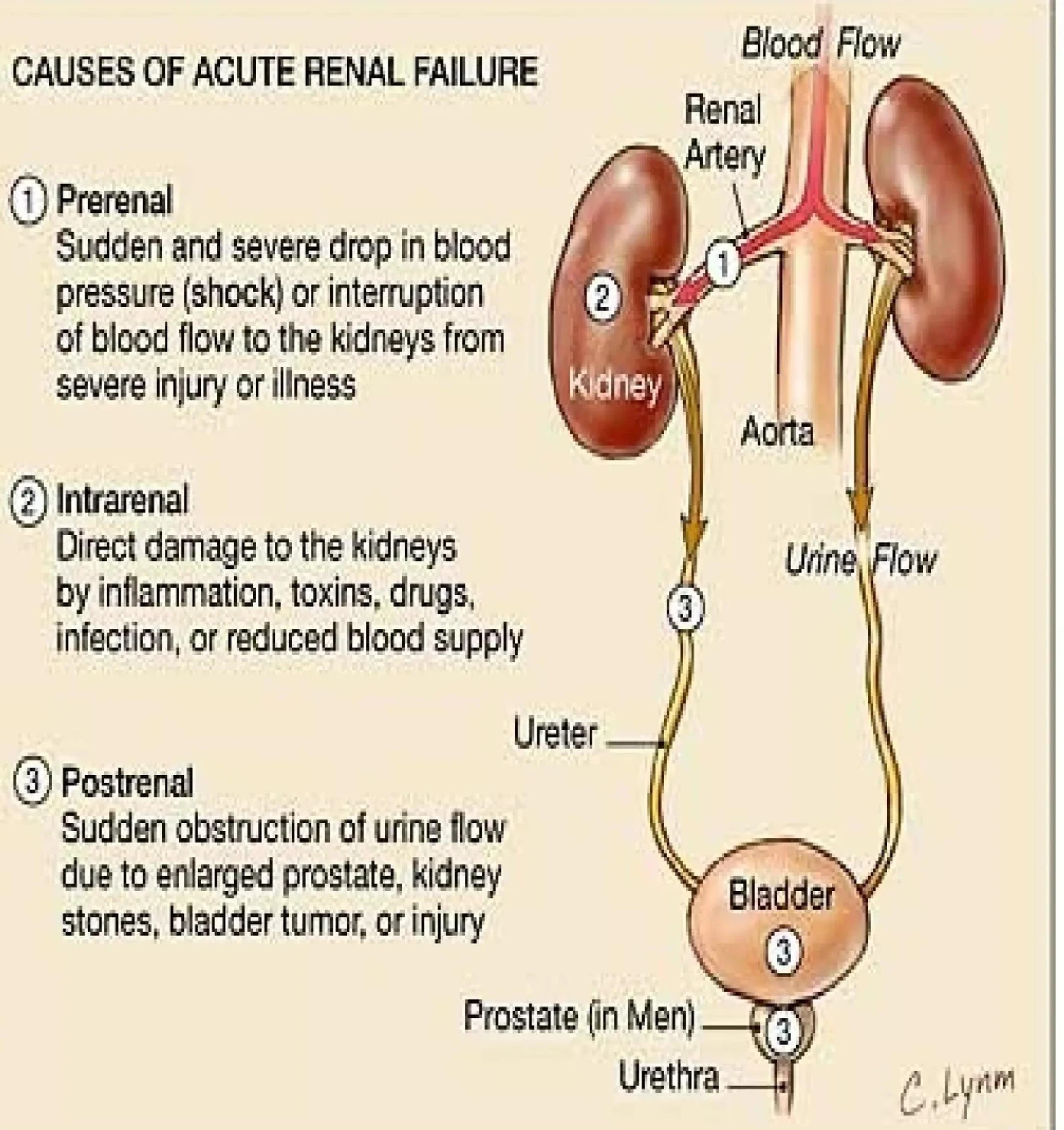
Acute Renal Failure is characterized by a sudden interruption of kidney function, which prevents the body from regulating fluids, electrolytes, and toxic waste removal. To understand why a patient is experiencing ARF, clinicians categorize the cause into three distinct etiologies:
- Prerenal: This involves a sudden drop in blood pressure or a reduction in blood flow to the kidneys. Common causes include shock, hemorrhage, hypotension, congestive heart failure (CHF), septicemia, and burns.
- Intrarenal: This occurs when there is direct damage to the nephrons themselves. Causes include acute tubular necrosis (ATN), infections, diabetes mellitus, malignant hypertension, and exposure to nephrotoxins such as certain antibiotics, X-ray dyes, or pesticides.
- Postrenal: This is caused by a mechanical obstruction in the urinary tract that prevents urine from leaving the body. Examples include kidney stones (calculi), benign prostatic hyperplasia (BPH), bladder tumors, or strictures.
The Four Phases of ARF
The progression of ARF typically follows four clinical stages:
- Initiation Phase: The period of initial kidney injury.
- Oliguric Phase: Characterized by urine output of less than . During this phase, patients often present with hyperkalemia, hyperphosphatemia, hypocalcemia, hypermagnesemia, and metabolic acidosis. Laboratory findings will show elevated Blood Urea Nitrogen (BUN) and creatinine levels.
- Diuretic Phase: The kidneys begin to recover, but the tubules cannot yet concentrate urine, leading to massive output (often 3–5 liters/day). This creates a high risk for hyponatremia, hypokalemia, and hypovolemia.
- Convalescence Phase: The gradual recovery period where renal function stabilizes, which can take anywhere from 3 to 12 months.

Keep reading for free.
Create an account to finish this reading and make it part of your study routine.
Continue reading freeAlready have an account? Log in
Updated