


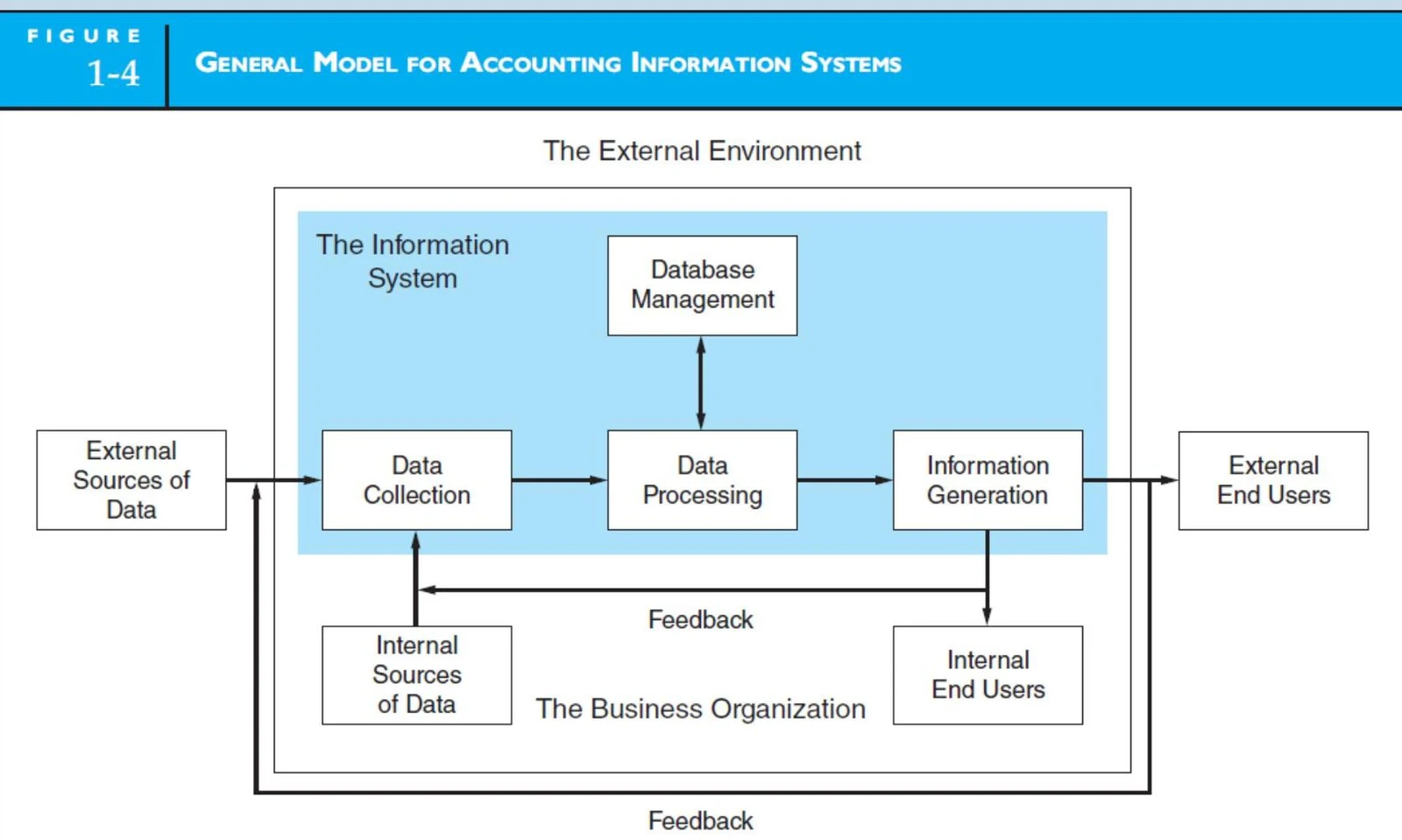
In the modern business environment, an organization is more than just a collection of people and physical assets; it is a complex web of interconnected data flows. To manage this complexity, businesses rely on Information Systems (IS)—formal sets of procedures used to collect, process, and distribute data to users. For an accountant, understanding these systems is not merely a technical requirement but a fundamental necessity for ensuring the accuracy of financial reporting and the effectiveness of organizational control.
The primary objectives of any information system are threefold: to support day-to-day operations, to aid management in decision-making, and to support the stewardship function of management.
The Distinction Between AIS and MIS
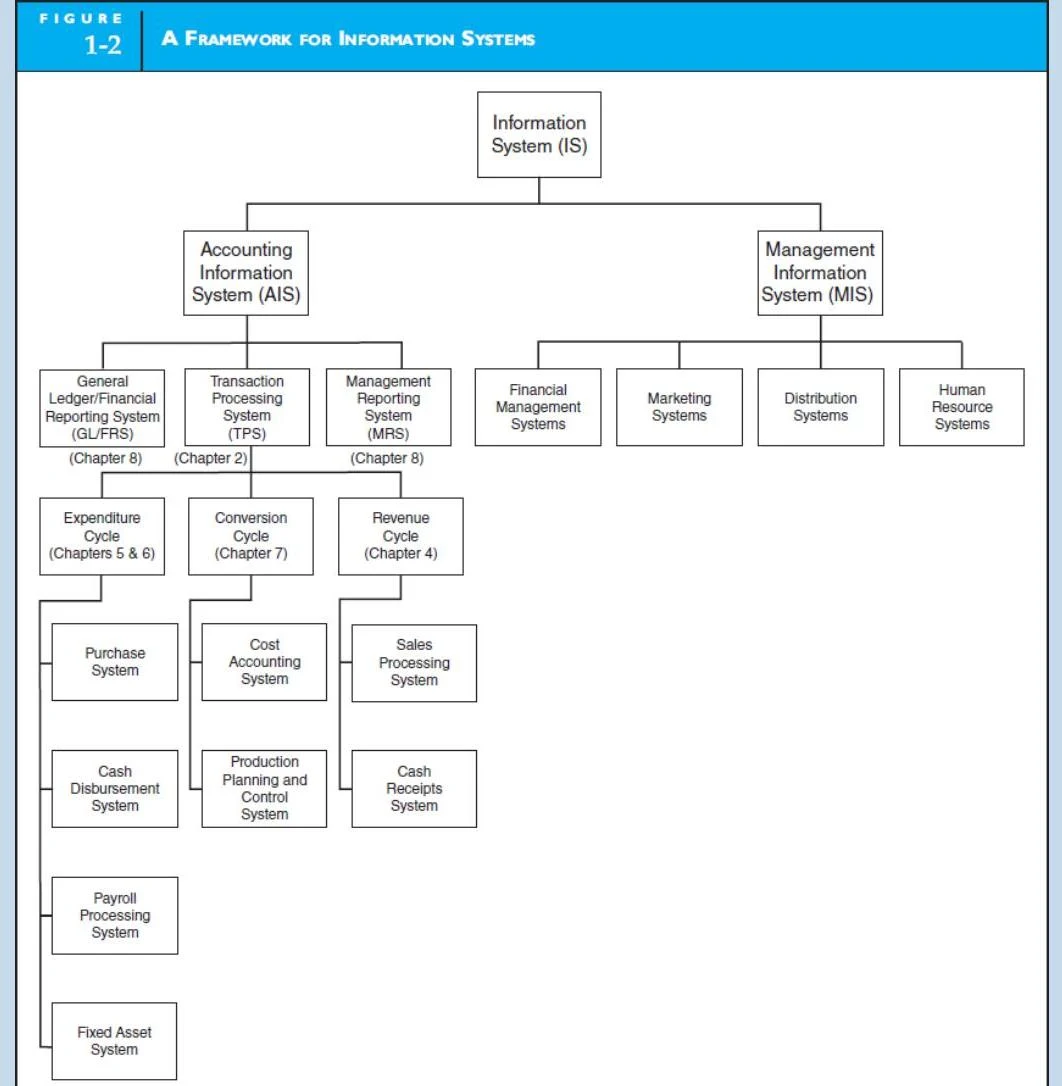
While all businesses use information systems, not all systems are designed for accounting. A critical distinction exists between an Accounting Information System (AIS) and a Management Information System (MIS).
Accounting Information Systems (AIS)
An AIS is a specialized subset of the overall information system designed specifically to process financial transactions. A financial transaction is an economic event that affects the assets and equities of an organization and is measured in financial terms. Because these transactions impact the firm's financial position, they must be reflected in the formal accounts of the company.
Management Information Systems (MIS)
In contrast, an MIS processes nonfinancial transactions. These are events that do not meet the narrow definition of a financial transaction but are vital for running the business. Examples of MIS applications include:
- Marketing: Market analysis and new product development.
- Distribution: Warehouse scheduling and delivery allocation.
- Personnel: Human resource management and employee benefit tracking.
Keep reading for free.
Create an account to finish this reading and make it part of your study routine.
Continue reading freeAlready have an account? Log in
Updated