


In the clinical laboratory setting, the work does not end once a specimen is collected. Often, specimens must be sent from smaller hospital laboratories or collection centers to larger, specialized private laboratories (such as Dynacare or LifeLabs) for testing. Because these materials are frequently biological in nature, their movement across public roads and through the air is strictly regulated to protect the public, property, and the environment.
The Transportation of Dangerous Goods Act (TDG)
The Transportation of Dangerous Goods Act (TDG) is national Canadian legislation designed to promote public safety. It covers the transportation of substances, materials, or articles that have the potential to cause harm in the event of an accident or incident.
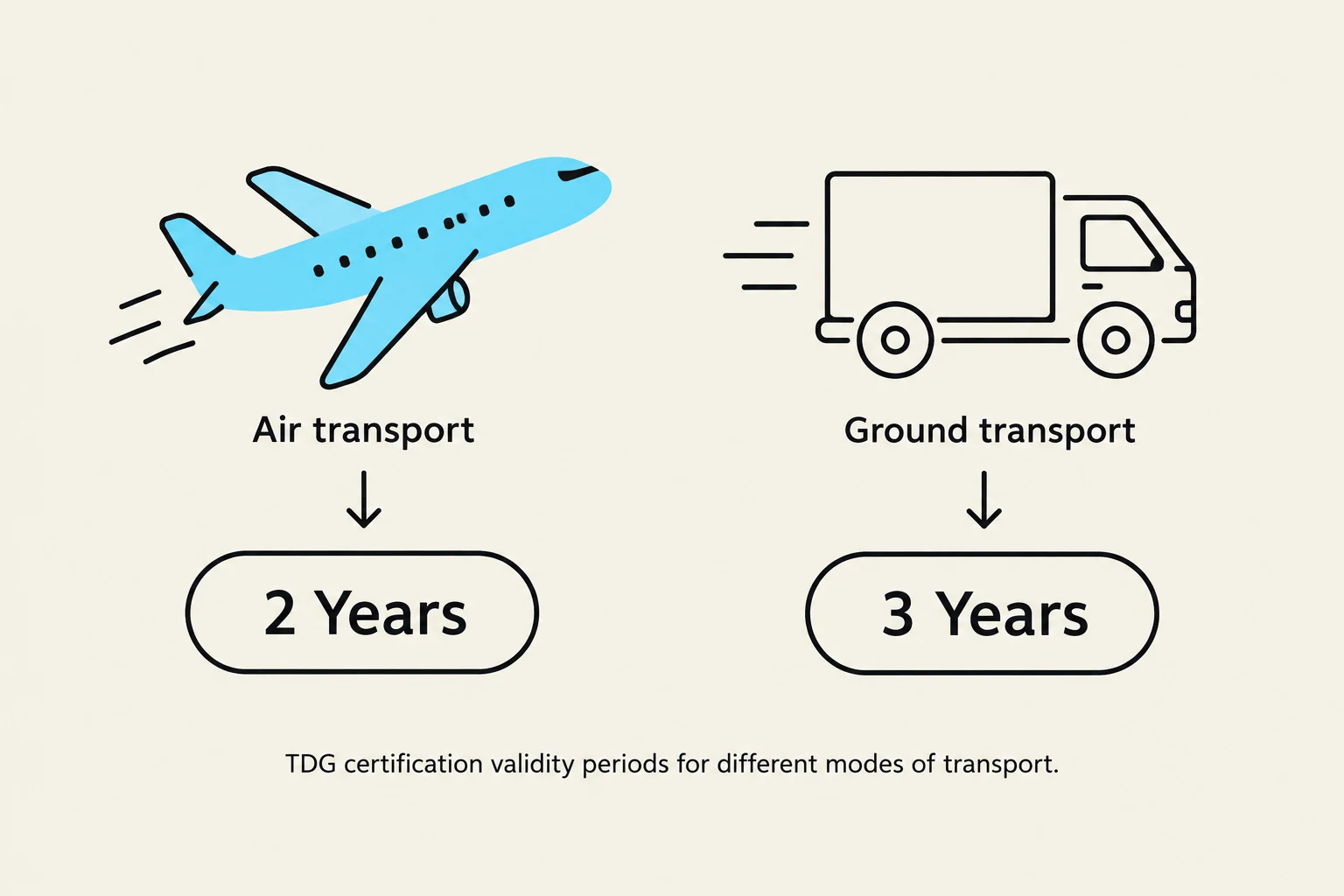
Because it is impossible to know with absolute certainty the exact contents of every clinical specimen, the law requires a strict, standardized process for all shipments. To participate in this process, personnel involved in shipping must obtain TDG Certification. The validity of this certification depends on the mode of transport:
- Air transport: Valid for 2 years.
- Ground transport: Valid for 3 years.
Exam Tip: Remember that both the shipper (consigner) and the receiving laboratory must have TDG-certified personnel to ensure the legal chain of custody and safety protocols are maintained.
Identifying Hazards: UN Numbers and Placards
To ensure that emergency responders know exactly how to react to a spill or accident, the TDG utilizes an international system of identification. Dangerous goods are categorized by specific UN (United Nations) numbers. These numbers dictate the required packaging, the maximum allowable quantities, and the necessary documentation.
Keep reading for free.
Create an account to finish this reading and make it part of your study routine.
Continue reading freeAlready have an account? Log in
Updated