


Maintaining a stable internal body temperature is one of the most critical functions of the human body. This process, known as thermoregulation, ensures that metabolic processes can occur efficiently without being disrupted by external environmental changes. While the brain's hypothalamus acts as the body's thermostat, the skin—the largest organ of the integumentary system—serves as the primary effector, executing the physical changes necessary to either shed excess heat or conserve it.
The Role of the Integumentary System
The skin is much more than a simple protective barrier; it is a dynamic interface between our internal environment and the outside world. To maintain homeostasis, the body must balance heat production (thermogenesis) with heat loss. When the body temperature deviates from its set point, the integumentary system employs several specialized mechanisms to restore balance.
These mechanisms can be broadly categorized into two strategies:
- Cooling Mechanisms: Used when the body is too warm (hyperthermia prevention).
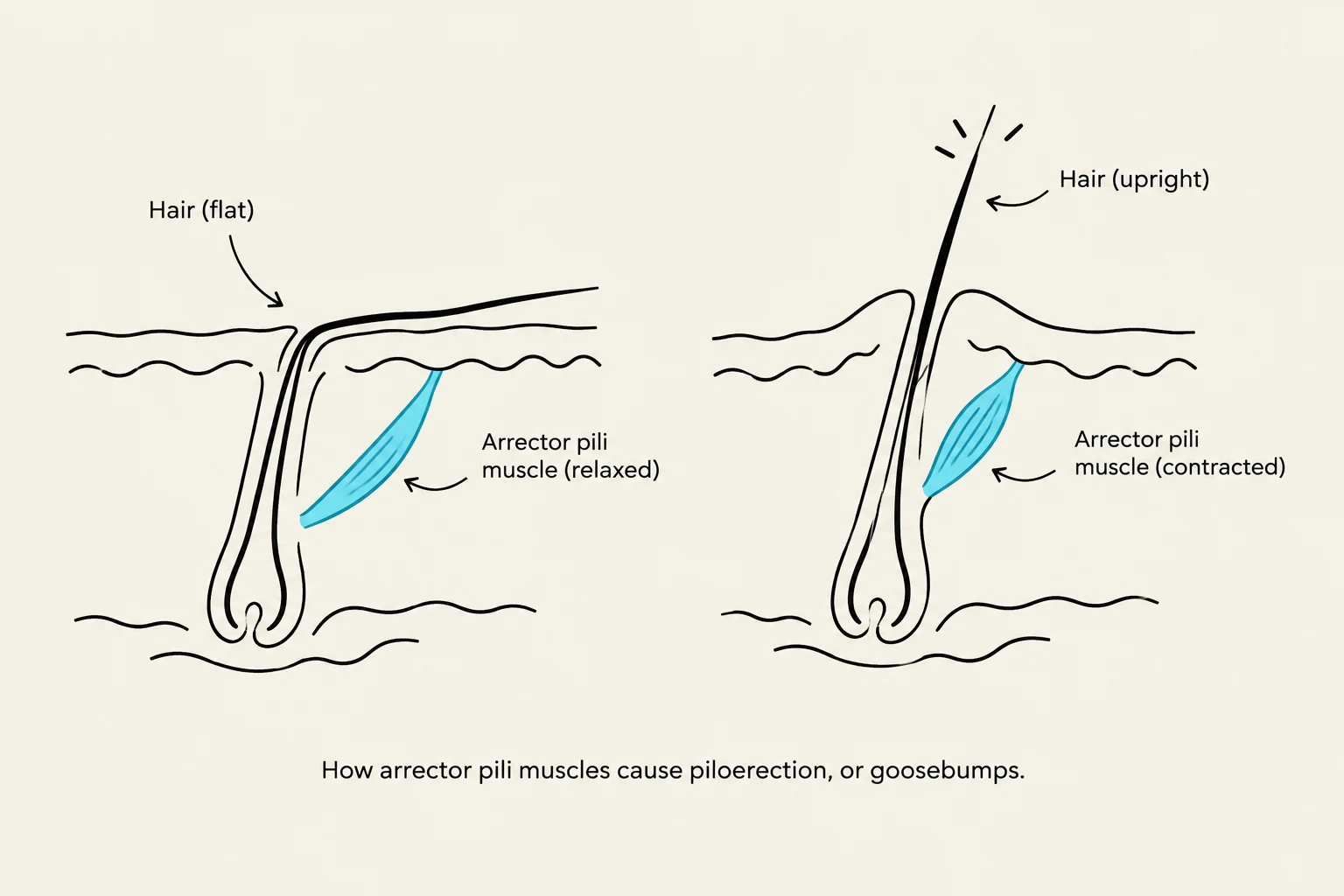
- Warming Mechanisms: Used when the body is too cold (hypothermia prevention).
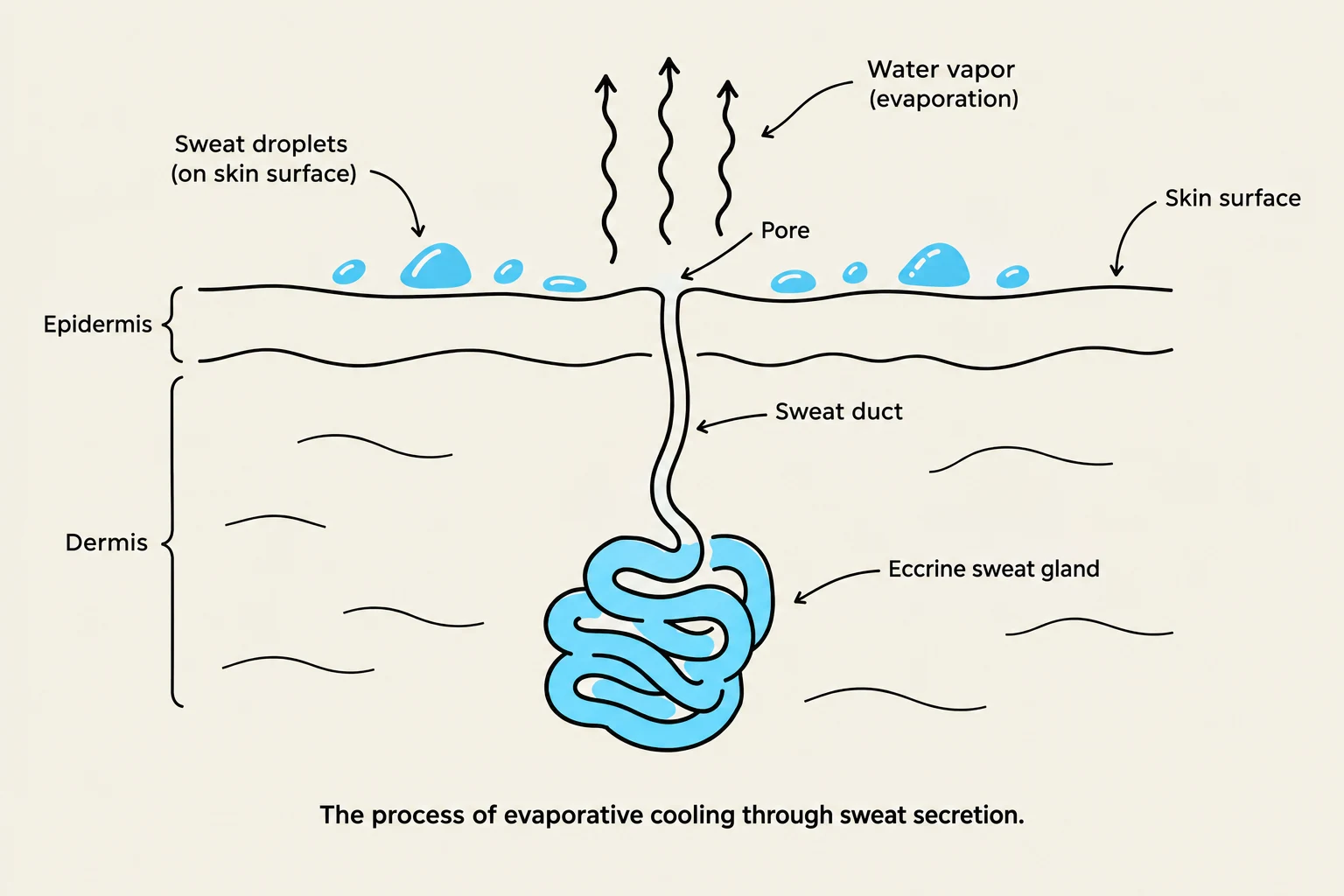
Cooling the Body: Vasodilation and Sweating
When your internal temperature rises—whether due to exercise or a hot environment—the body must move heat from the core to the surface to be released.
Vasodilation
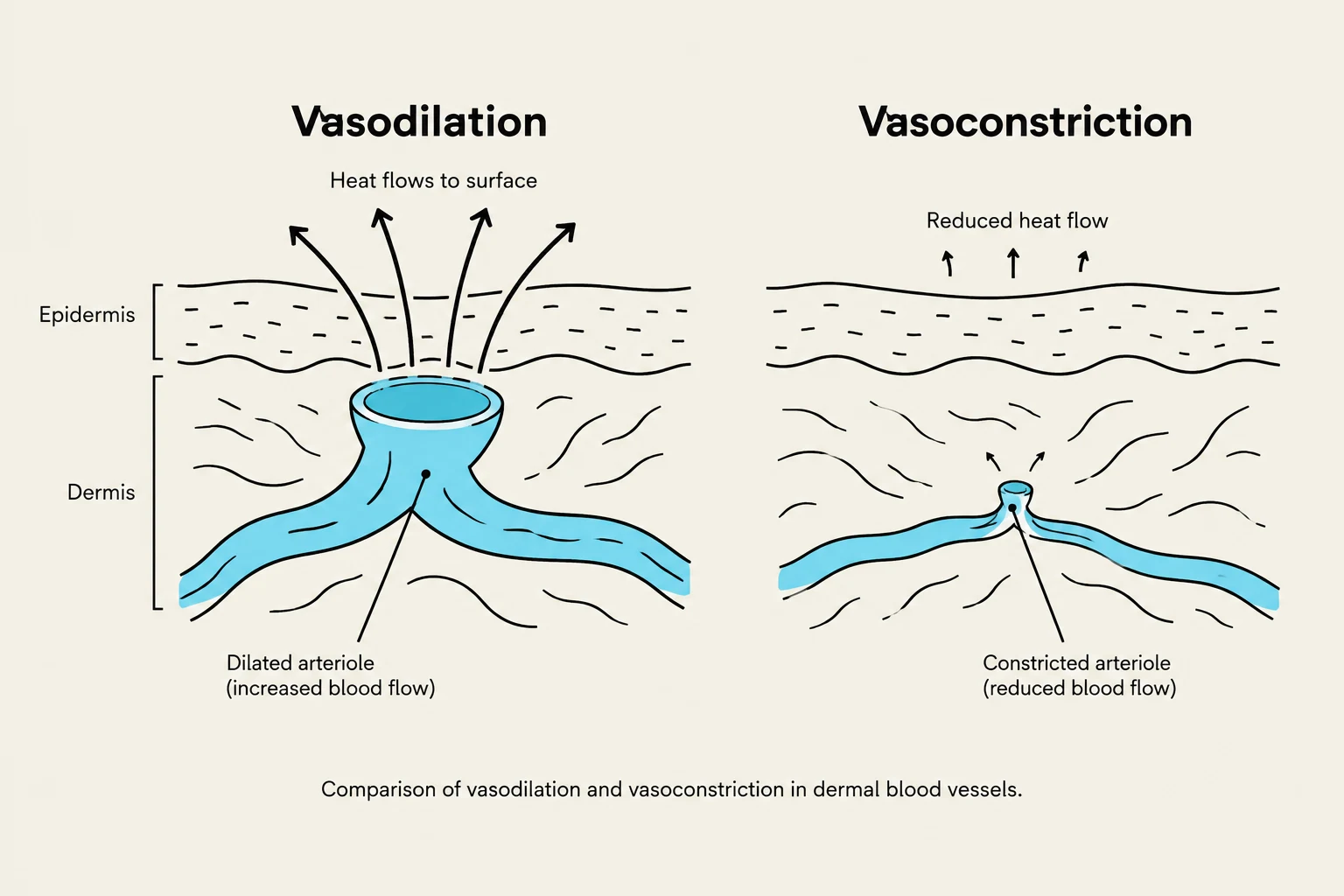
One of the fastest ways the skin manages heat is through vasodilation. This involves the widening of blood vessels (specifically arterioles) within the dermis.
As these vessels dilate, a larger volume of warm blood flows closer to the skin's surface. This increases the temperature gradient between the skin and the external environment, allowing heat to escape through radiation and conduction. This is why people often appear "flushed" or red when they are overheated; it is a visible sign of increased blood flow to the cutaneous layer.
Keep reading for free.
Create an account to finish this reading and make it part of your study routine.
Continue reading freeAlready have an account? Log in
Updated