


In clinical practice, a prescription is often viewed simply as a formal authorization for a specific medication or medical device. However, the act of prescribing is a multifaceted interaction that extends far beyond the chemical properties of a drug. It serves as a bridge between the physician’s expertise and the patient’s psychological state, encompassing complex social rituals and powerful neurobiological responses. Understanding these functions is essential for healthcare providers to optimize treatment outcomes and navigate the ethical complexities of modern medicine.
The Dual Nature of Prescribing: Therapeutic and Social Functions
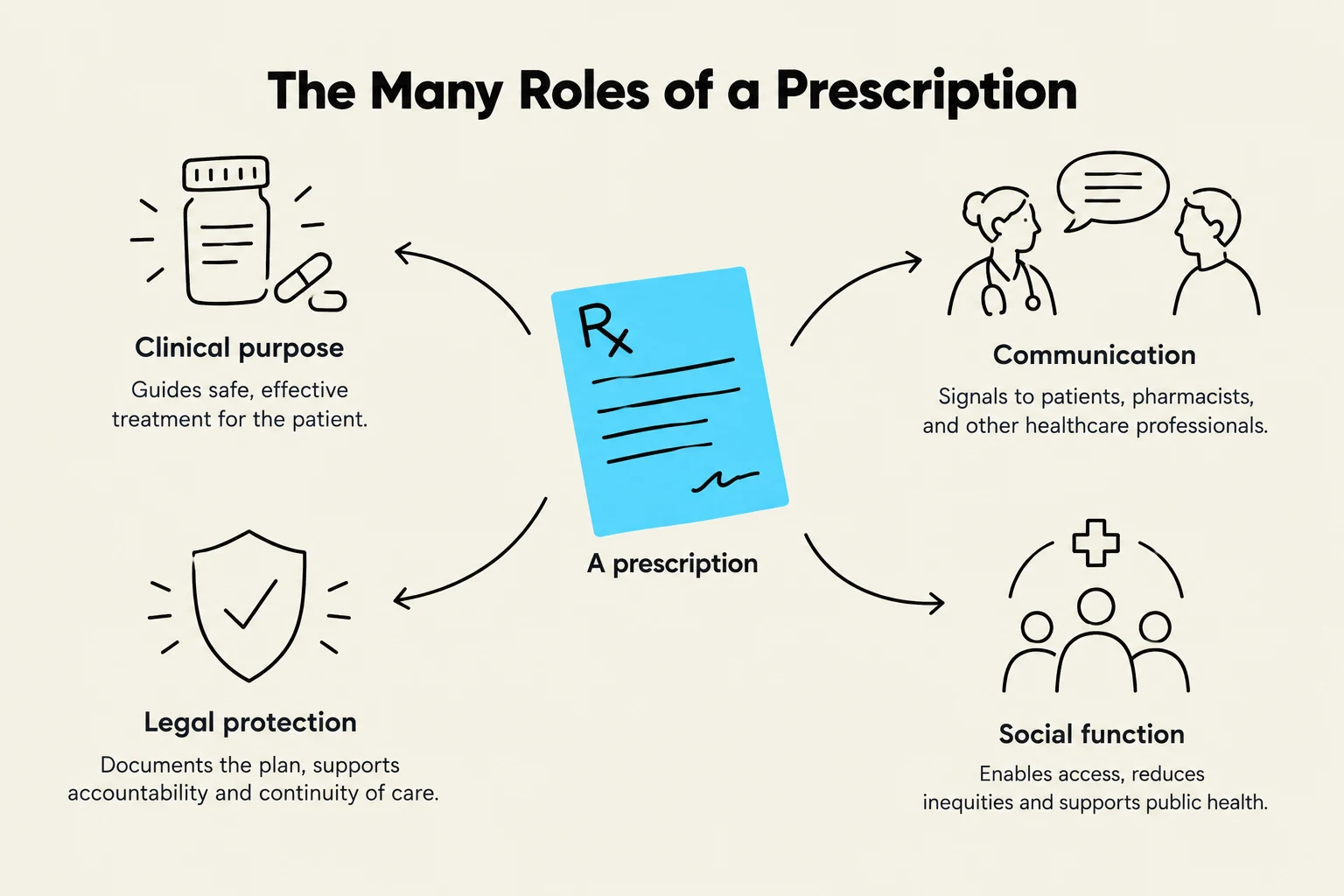
Prescribing serves two distinct but overlapping roles: it provides a therapeutic pathway for the patient and fulfills several critical social functions within the medical encounter.
Therapeutic Functions
The primary therapeutic goal is to authorize a course of treatment to alleviate symptoms or manage a disease. Beyond the pharmacological action, the prescription acts as a tangible plan of action, providing a clear direction for the patient's recovery.
Social Functions
From a sociological perspective, the prescription is a powerful communicative tool that manages the dynamics of the doctor-patient relationship:
- Signaling the End of Visit: Writing a prescription often marks the conclusion of the consultation, symbolizing that a diagnosis has been reached and a plan is in place.
- Reinforcing Physician Expertise: The act demonstrates that the physician has made a thoughtful, professional decision, thereby reinforcing their authority and expertise.
- Providing Reassurance: A physical prescription serves as a symbol of care, reassuring the patient that their concerns are being addressed.
- Shifting Responsibility: Once the prescription is issued, the responsibility for health management subtly shifts to the patient, who must now adhere to the treatment plan.
- Signaling Reciprocity: It completes the "transaction" of the medical visit, where the patient receives a concrete solution in exchange for the consultation.
- Establishing Continuity: A prescription can imply the need for follow-up, signaling that the patient's care is an ongoing process.

Keep reading for free.
Create an account to finish this reading and make it part of your study routine.
Continue reading freeAlready have an account? Log in
Updated