


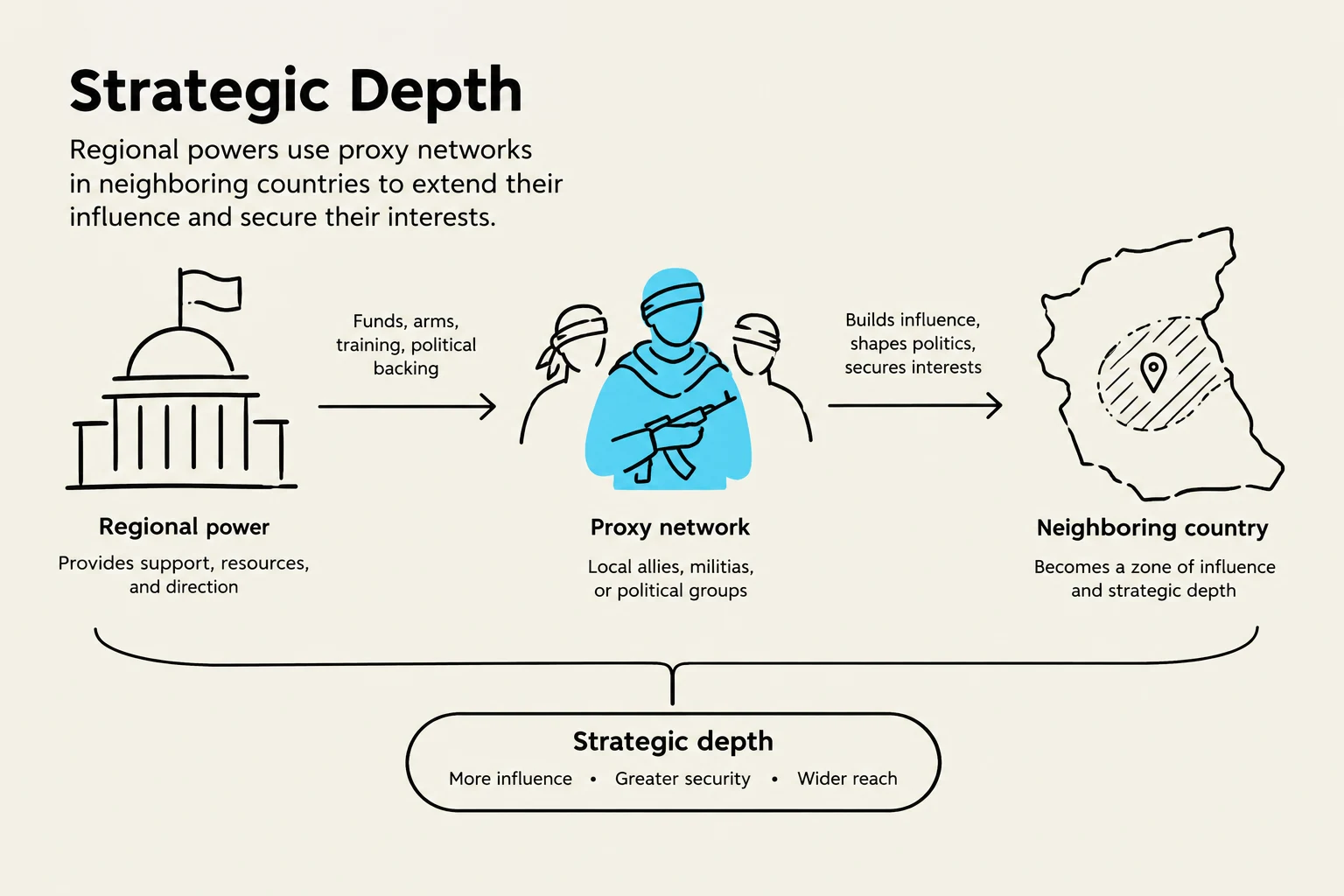
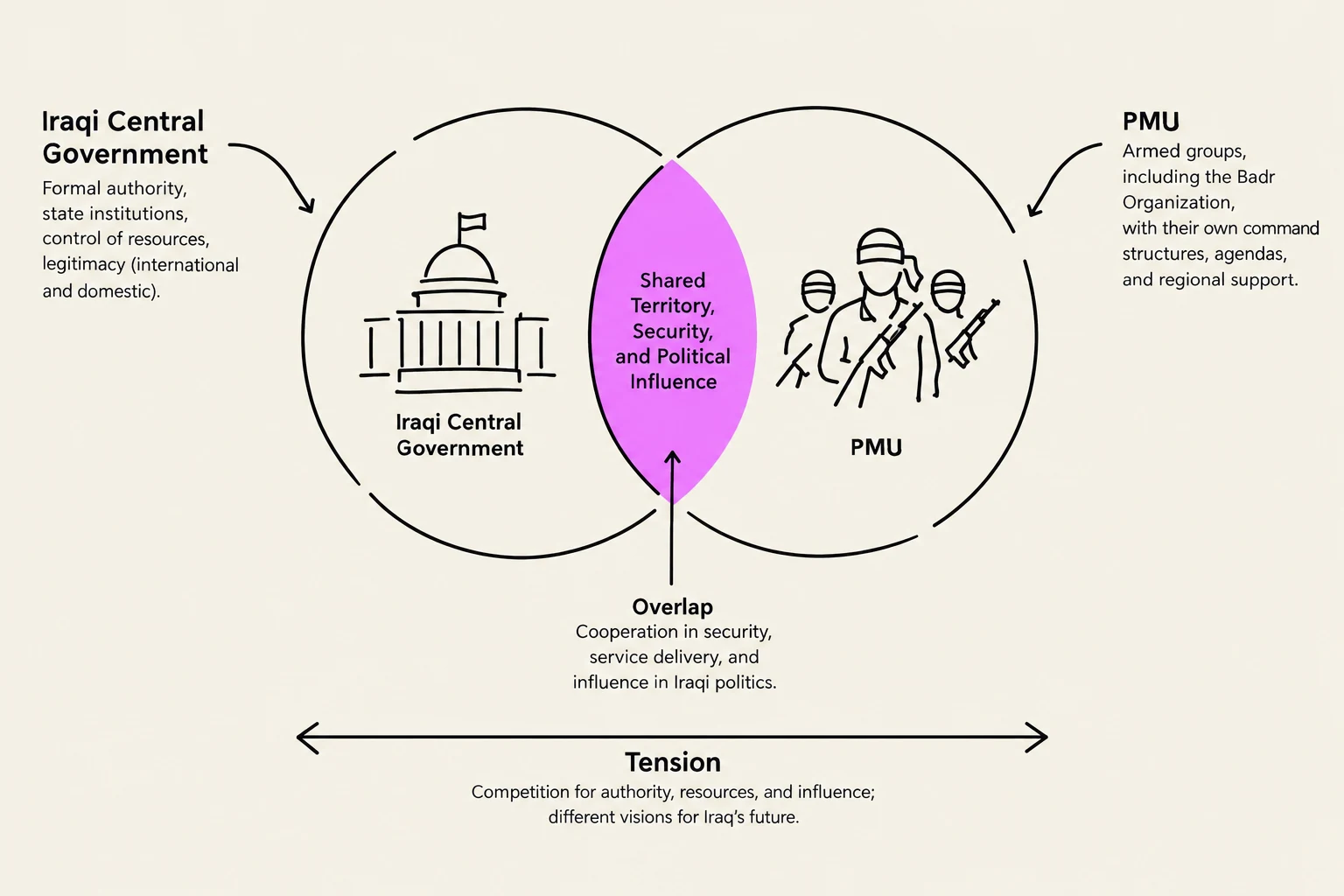
The landscape of post-2003 Iraq has been defined by a complex interplay of state-building, sectarian identity, and the rise of non-state armed actors. Central to this evolution is the emergence of the Badr Organization and its subsequent integration into the broader framework of the Popular Mobilization Units (PMU). To understand modern Iraqi politics, one must examine how these entities transitioned from insurgent groups to institutionalized components of the Iraqi state, often acting as conduits for regional security doctrines.
The Genesis of the Badr Organization
The Badr Organization did not emerge in a vacuum; its roots lie in the decades of struggle against the Ba'athist regime. Originally formed as the armed wing of the Supreme Council for the Islamic Revolution in Iraq (SCIRI), Badr functioned as a paramilitary force with deep ideological and logistical ties to Iran.
Following the 2003 US-led invasion, the group transitioned from an exiled resistance movement into a domestic political and military powerhouse. This transition was facilitated by the vacuum left by the collapse of the old Iraqi security apparatus, allowing Badr to position itself as a defender of the Shia community during periods of intense civil strife.
Study Tip: When analyzing paramilitary groups, distinguish between their ideological origins (the "why") and their institutional evolution (the "how"). Badr is a prime example of a group that moved from an external proxy to an internal state actor.
The Rise of the Popular Mobilization Units (PMU)
The most significant turning point for Iraqi security architecture occurred in 2014 with the rapid expansion of ISIS (the Islamic State). The collapse of the Iraqi Army in several northern provinces created an existential threat to the central government, prompting a call for national mobilization.
Keep reading for free.
Create an account to finish this reading and make it part of your study routine.
Continue reading freeAlready have an account? Log in
Updated