


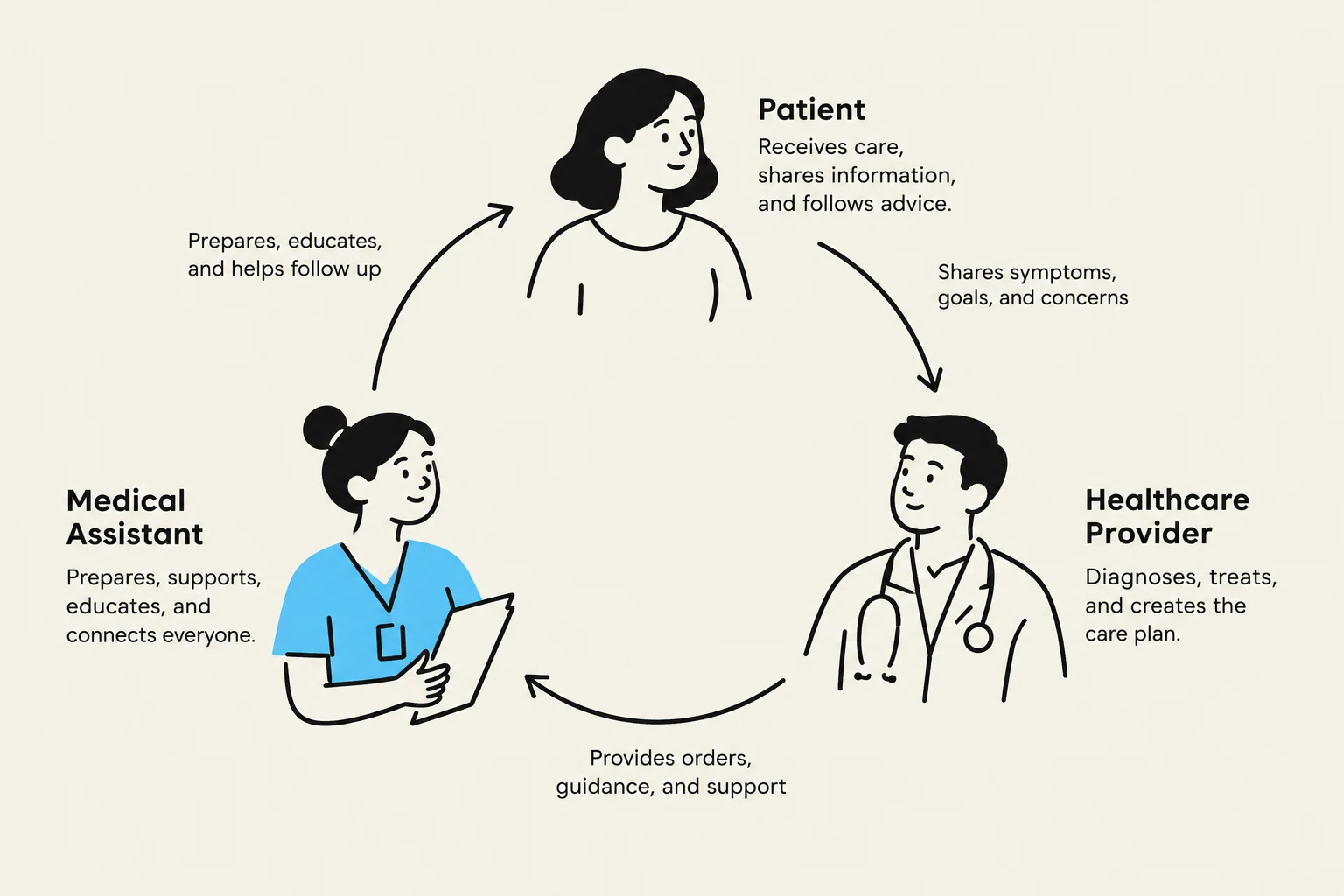
In the fast-paced environment of an outpatient clinic, the Medical Assistant (MA) serves as the vital link between the patient and the healthcare provider. While doctors, nurse practitioners, and physician assistants focus on diagnosis and complex treatment planning, the MA ensures the clinical workflow remains efficient, accurate, and patient-centered. Understanding the core role of an MA requires looking beyond simple tasks to see the broader responsibility of clinical and administrative integration.
The Dual Nature of the MA Role: Clinical vs. Administrative
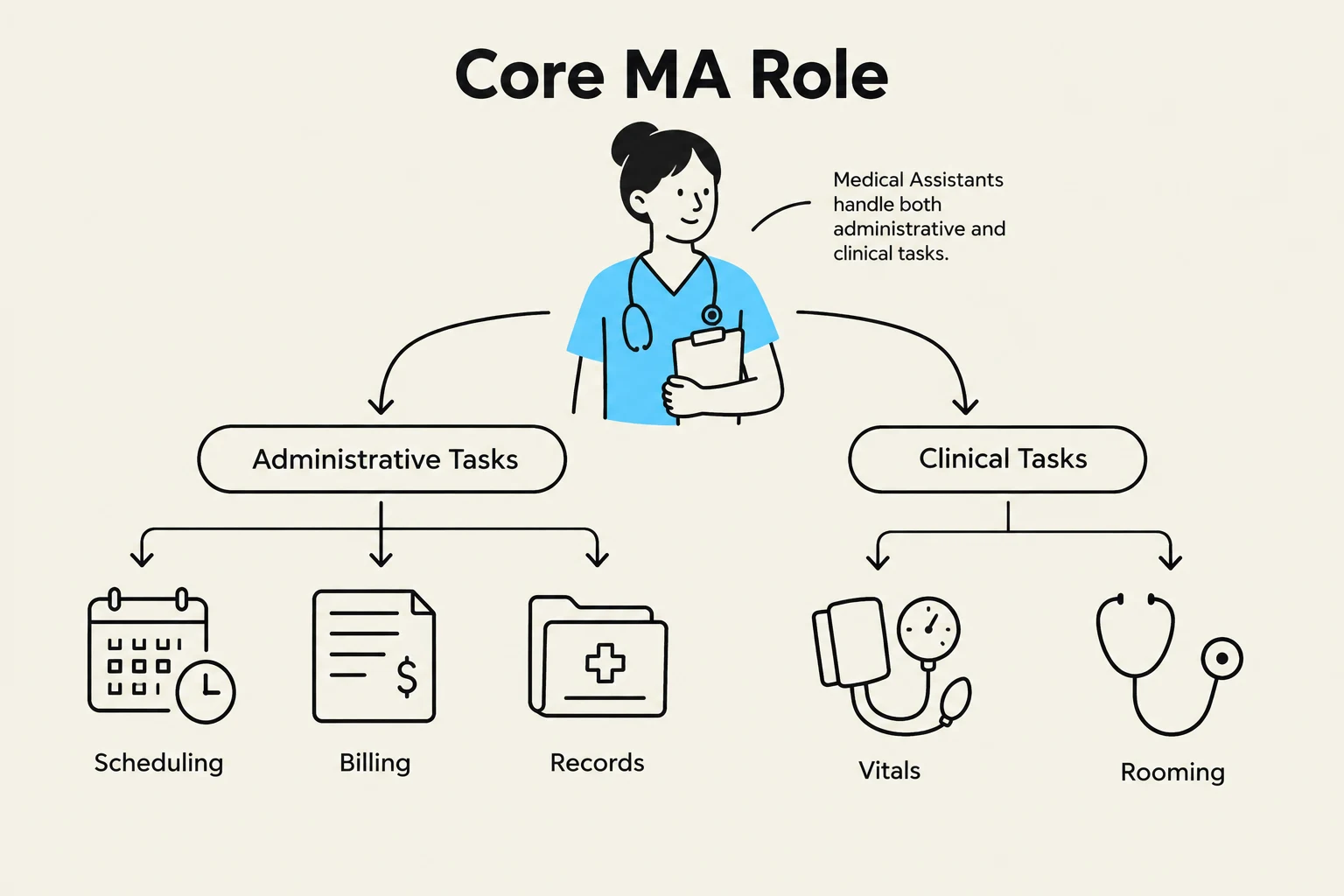
One of the most defining characteristics of a Medical Assistant is the ability to perform "dual-role" functions. Unlike specialized nurses who may focus strictly on clinical care, an MA is often trained to navigate both the front-office and back-office operations of a practice.
Administrative Responsibilities
The administrative side of the role focuses on the "business" of medicine. This ensures that the provider has the necessary information and that the patient's journey through the clinic is documented correctly. Key tasks include:
- Scheduling appointments and managing provider calendars.
- Updating patient demographics and insurance information.
- Maintaining electronic health records (EHR) and processing medical records requests.
- Handling billing inquiries and coordinating referrals.
Clinical Responsibilities
The clinical side is where the MA interacts directly with the patient's physical health needs. These tasks are designed to prepare the patient for the provider's examination and to assist during procedures.
- Rooming the Patient: Taking vital signs (blood pressure, pulse, temperature, respiratory rate) and recording them accurately.
- Patient History: Documenting the "chief complaint" and updating medication lists.
- Assisting with Procedures: Preparing sterile trays, handing instruments to the provider, and assisting with minor surgical procedures.
- Specimen Collection: Performing venipuncture or collecting urine samples for laboratory testing.
Keep reading for free.
Create an account to finish this reading and make it part of your study routine.
Continue reading freeAlready have an account? Log in
Updated