


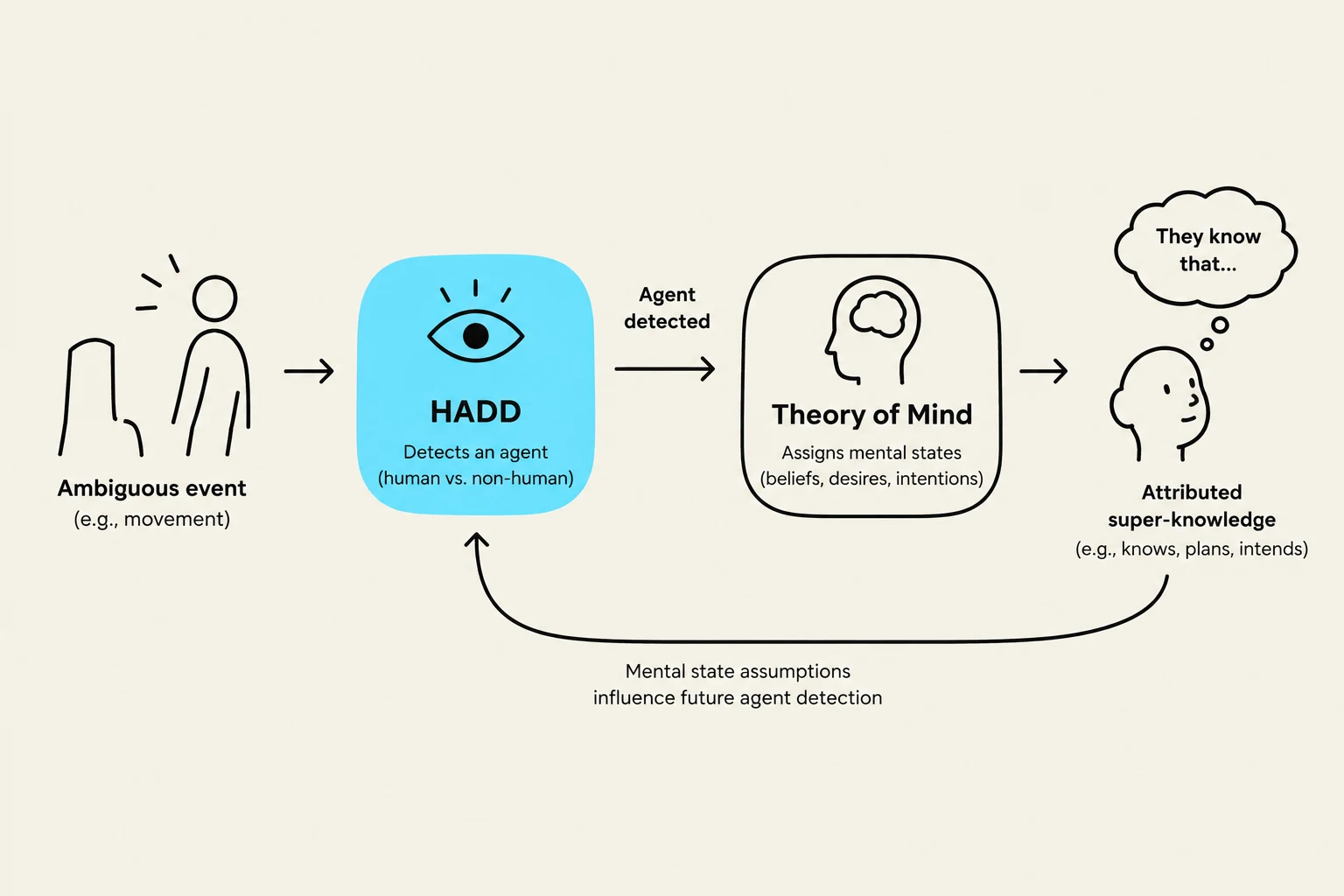
Why do children often believe that invisible entities, such as gods or spirits, know exactly what they are thinking or doing? While adults might view these beliefs as errors in logic or lack of scientific training, cognitive science suggests a different explanation. The "Preparedness Account" posits that the human mind is not merely "making mistakes," but is instead functioning according to evolved cognitive mechanisms that are naturally predisposed to attribute high levels of knowledge and intention to agents.
The Cognitive Architecture of Agency
To understand the Preparedness Account, we must first understand how the human brain processes "agency." An agent is any entity that can act with intention, such as a person, an animal, or a character in a story. From a very young age, humans are highly attuned to detecting agency in the world around them.
This sensitivity is an evolutionary advantage. If a rustle in the grass is caused by a predator (an agent) rather than just the wind (a non-agent), the ability to detect that intention quickly can mean the difference between life and death. Because our cognitive systems are so finely tuned to look for agents, we tend to apply the "rules" of agency quite broadly.
One of these rules is the assumption of intentionality. When we see an agent, we assume they have goals, desires, and—crucially—knowledge about their environment.
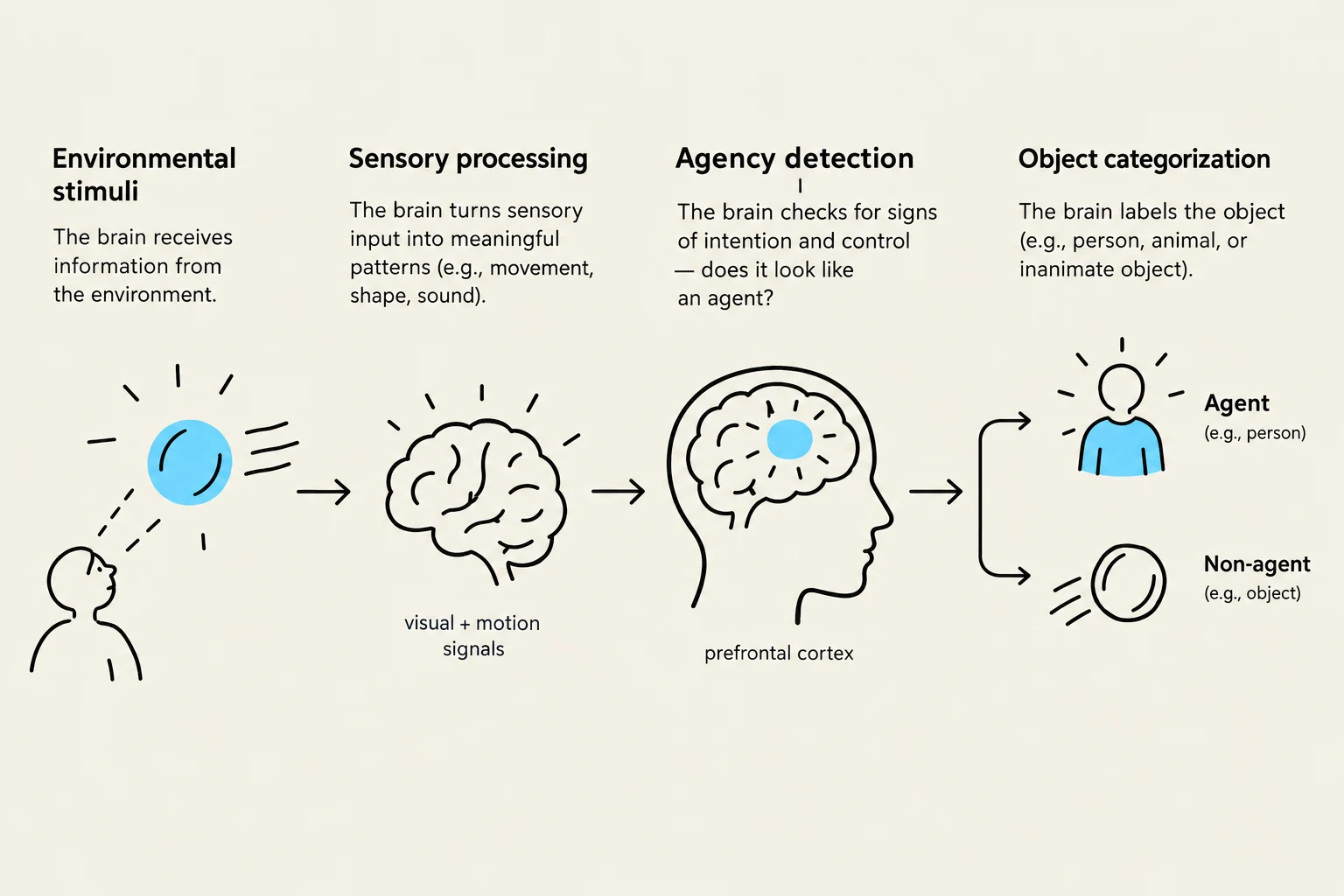
The Leap to Super-Knowledge
The core of the Preparedness Account lies in the way children scale up the concept of knowledge. In everyday life, we know that human knowledge is limited. We know that if someone is in a different room, they cannot see what we are doing. However, the cognitive mechanisms that allow us to attribute knowledge to humans are the same mechanisms used to attribute knowledge to supernatural agents.
Keep reading for free.
Create an account to finish this reading and make it part of your study routine.
Continue reading freeAlready have an account? Log in
Updated