


How do we know that the person standing in front of us is actually our mother, and not a highly convincing actor? To most of us, the answer is instantaneous and obvious. However, for individuals living with Capgras syndrome, this simple act of recognition becomes a source of profound paranoia and confusion. By studying this rare neurological disorder, cognitive psychologists have gained invaluable insights into how the brain separates factual information from emotional meaning.
Understanding Capgras Syndrome
Capgras syndrome, often referred to as "imposter syndrome," is a bizarre neurological condition where patients experience a profound disconnect between recognition and familiarity. A person suffering from this syndrome can look at a loved one—such as a spouse or a parent—and correctly identify their physical features. They might say, "You look like my father, you sound like him, and you act like him".
Despite this accurate intellectual identification, the patient remains convinced that the person is an impostor. They may believe their real loved one has been kidnapped or replaced by a double. This often leads to intense suspicion, as the patient struggles to understand why no one else seems to notice the "replacement".
The Dual Systems of Facial Recognition
The existence of Capgras syndrome suggests that "recognizing" a face is not a single, unified process. Instead, normal facial recognition relies on the coordination of two distinct systems: cognitive appraisal and emotional appraisal.
- Cognitive Appraisal: This is the intellectual side of recognition. It allows you to process visual data and conclude, "I know what my father looks like, and this person matches that description".
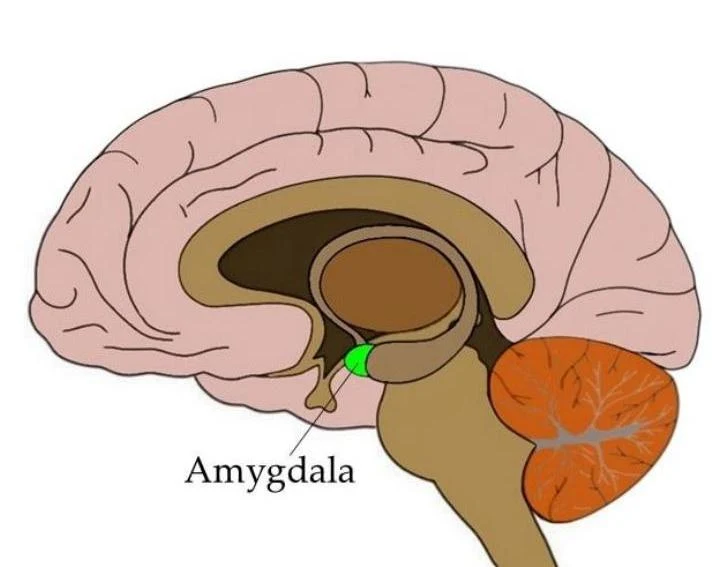
- Emotional Appraisal: This is the "feeling" side of recognition. It involves the emotional processing that triggers a sense of familiarity and a warm, secure response when seeing a known face.
Keep reading for free.
Create an account to finish this reading and make it part of your study routine.
Continue reading freeAlready have an account? Log in
Updated