


In clinical practice, the difference between a novice and an expert often lies in the consistency of their methodology. When performing assessments—whether in medicine, psychology, or education—relying on intuition alone can lead to cognitive bias and inconsistent data. The NEER Protocol provides a structured, four-step framework designed to standardize how practitioners approach an assessment. By following this systematic sequence, you ensure that every subject is evaluated through the same lens, increasing both reliability and validity.
The Core Framework: An Overview
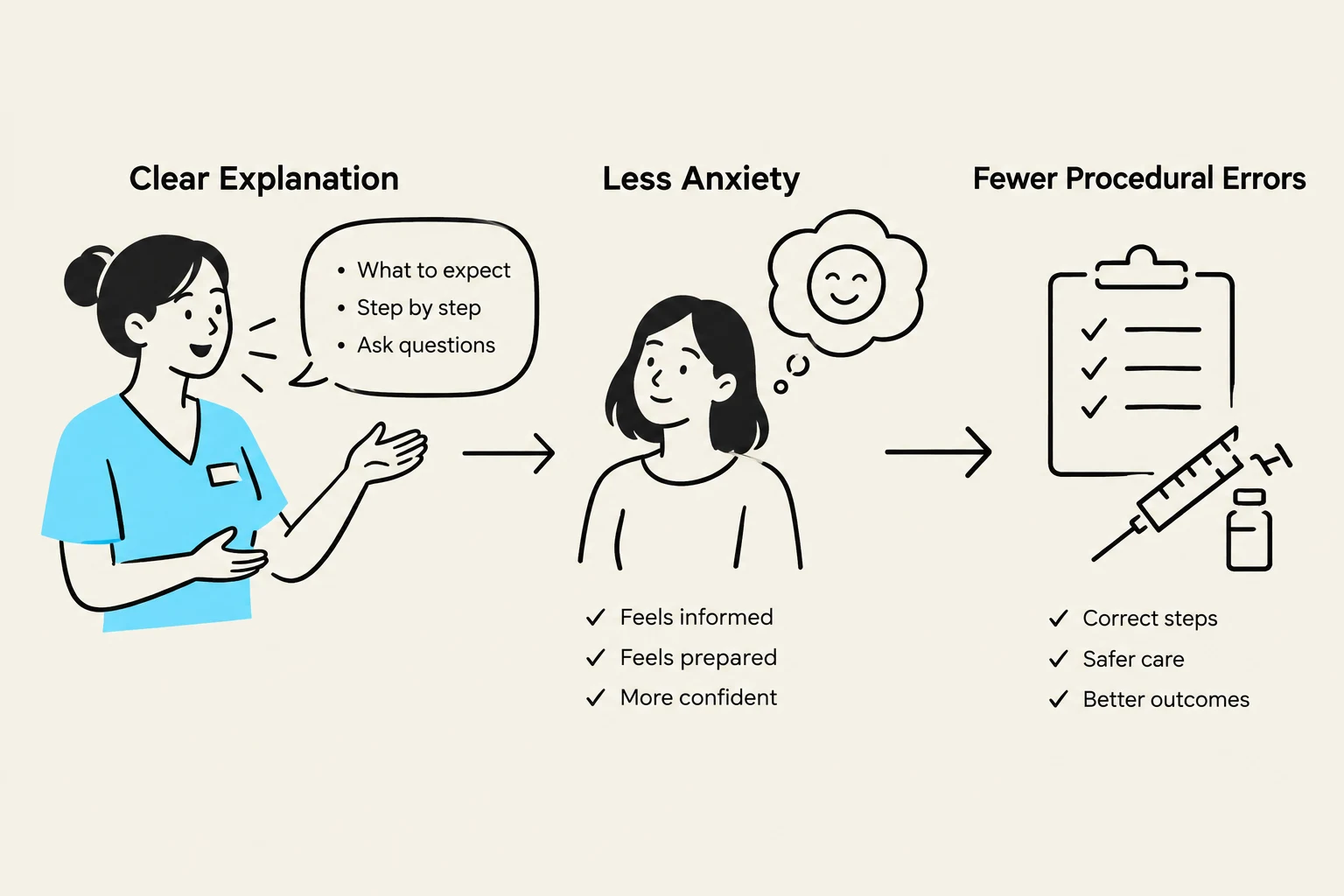
The NEER Protocol is an acronymic mnemonic that breaks down the assessment process into four distinct, chronological phases: Name, Explain, Execute, and Results. This structure is designed to minimize participant anxiety, reduce procedural error, and ensure that the data collected is actionable.
Instead of rushing straight into the "doing" phase, the NEER Protocol forces the practitioner to slow down and establish a foundation of communication and clarity. This prevents the common mistake of collecting data from a subject who does not understand the instructions or who is too stressed to perform accurately.

Phase 1: Name
The first step, Name, is deceptively simple but foundational to the entire process. It involves the formal identification of the subject or the specific phenomenon being assessed. In a clinical setting, this means confirming the identity of the patient; in a research setting, it means clearly defining the variable or group under study.
Naming serves two primary purposes:
- Verification: Ensuring you are assessing the correct entity.
- Contextualization: Setting the stage for the interaction.

Keep reading for free.
Create an account to finish this reading and make it part of your study routine.
Continue reading freeAlready have an account? Log in
Updated