


In a modern marketplace, companies cannot rely on guesswork to understand what customers want. To create value and build lasting relationships, organizations must transform raw data into "customer insights"—fresh understandings of customers and the marketplace. This is achieved through the marketing research process, a systematic design, collection, analysis, and reporting of data relevant to a specific marketing situation facing an organization.
The Marketing Research Process
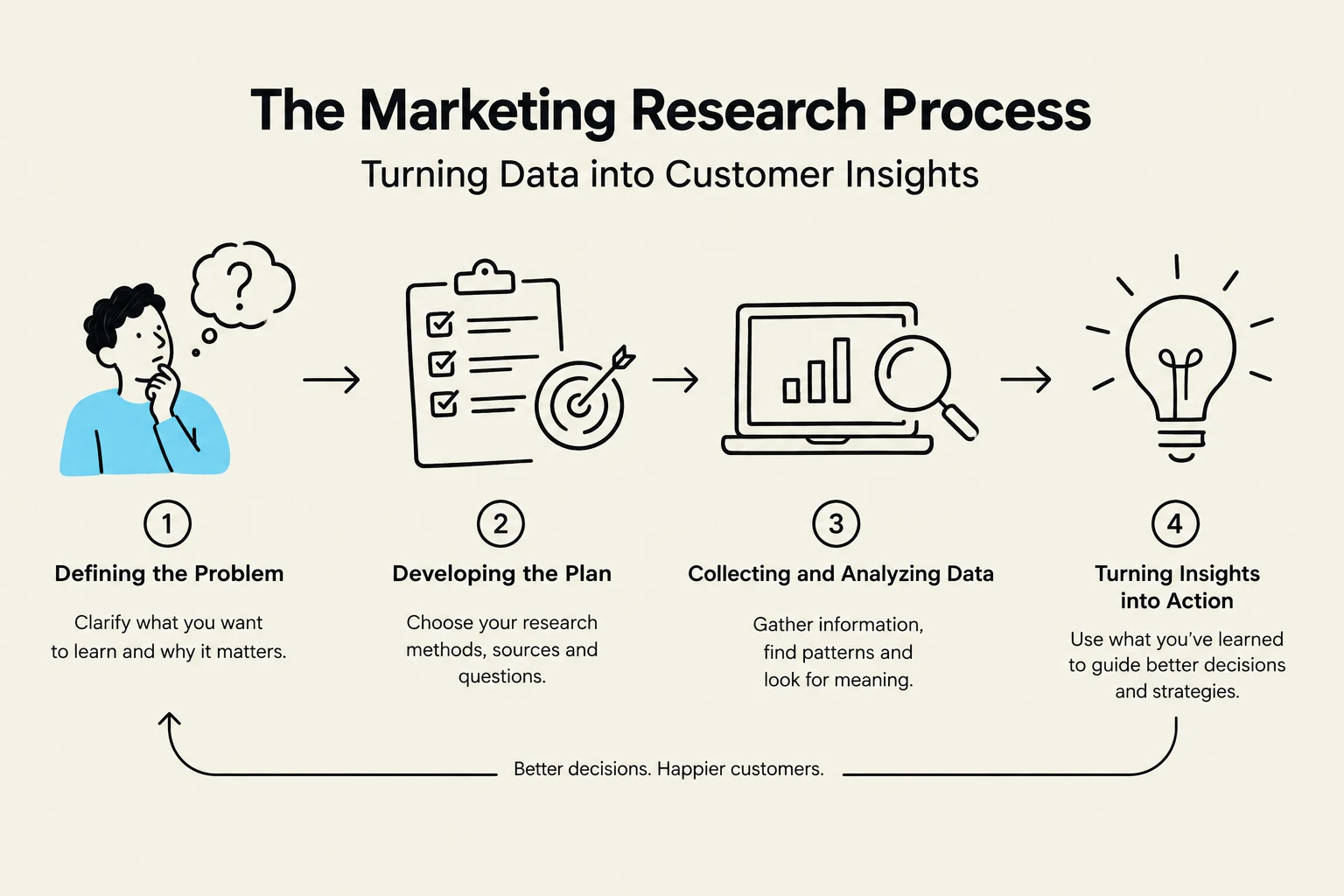
The marketing research process is not a single event but a structured sequence of steps designed to move from a vague problem to a concrete solution. While different companies may adapt these steps to their specific needs, the core framework generally follows this flow:
- Defining the problem and research objectives: Determining exactly what needs to be solved.
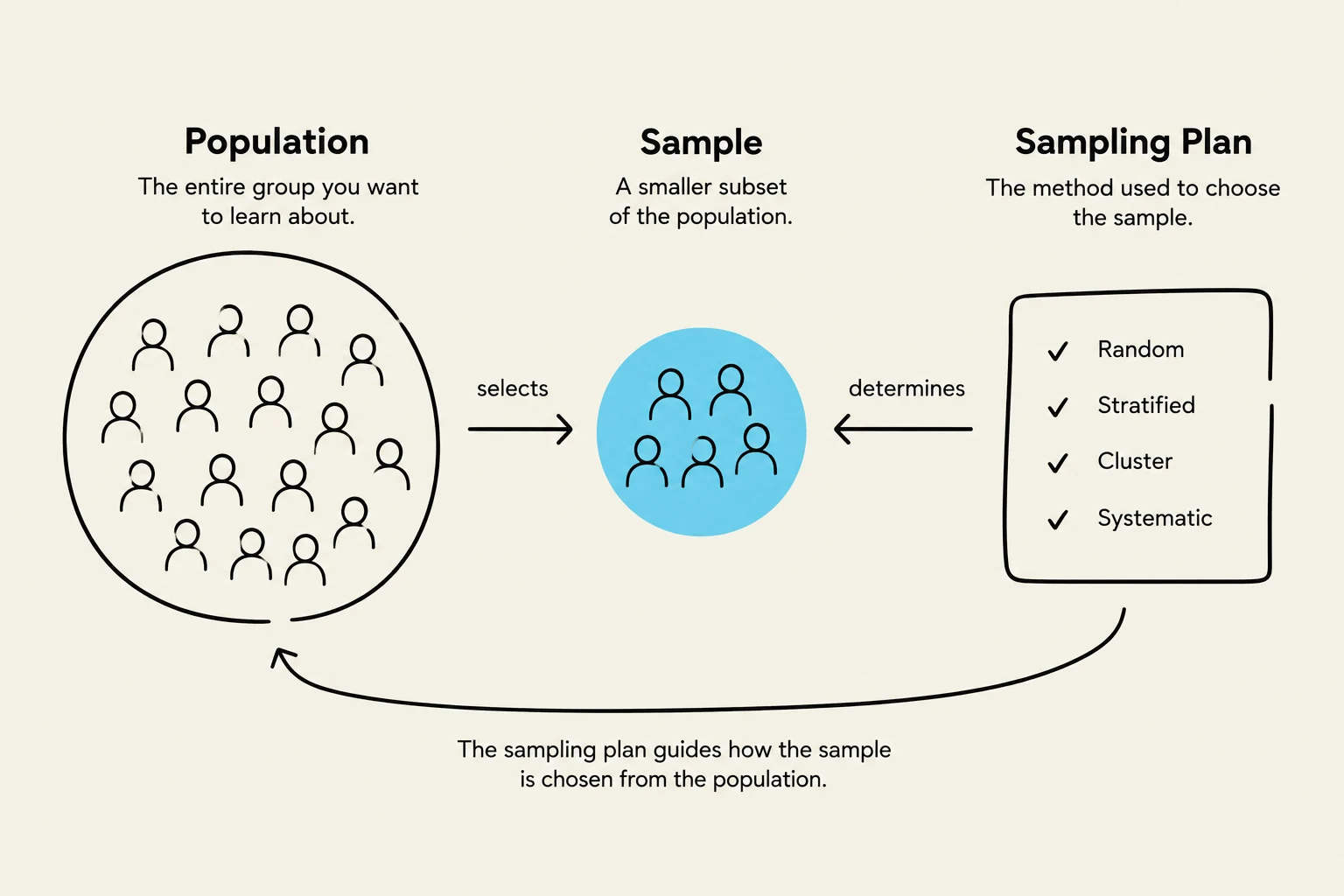
- Developing the research plan: Outlining sources of data, research approaches, contact methods, sampling plans, and instruments.
- Implementing the research plan: Collecting, processing, and analyzing the data.
- Interpreting and reporting findings: Drawing conclusions and communicating them to management.
Exam Tip: When defining research objectives, distinguish between the three main types of research: Exploratory (gathering preliminary info), Descriptive (describing market potential or demographics), and Causal (testing cause-and-effect).
Research Approaches and Data Types
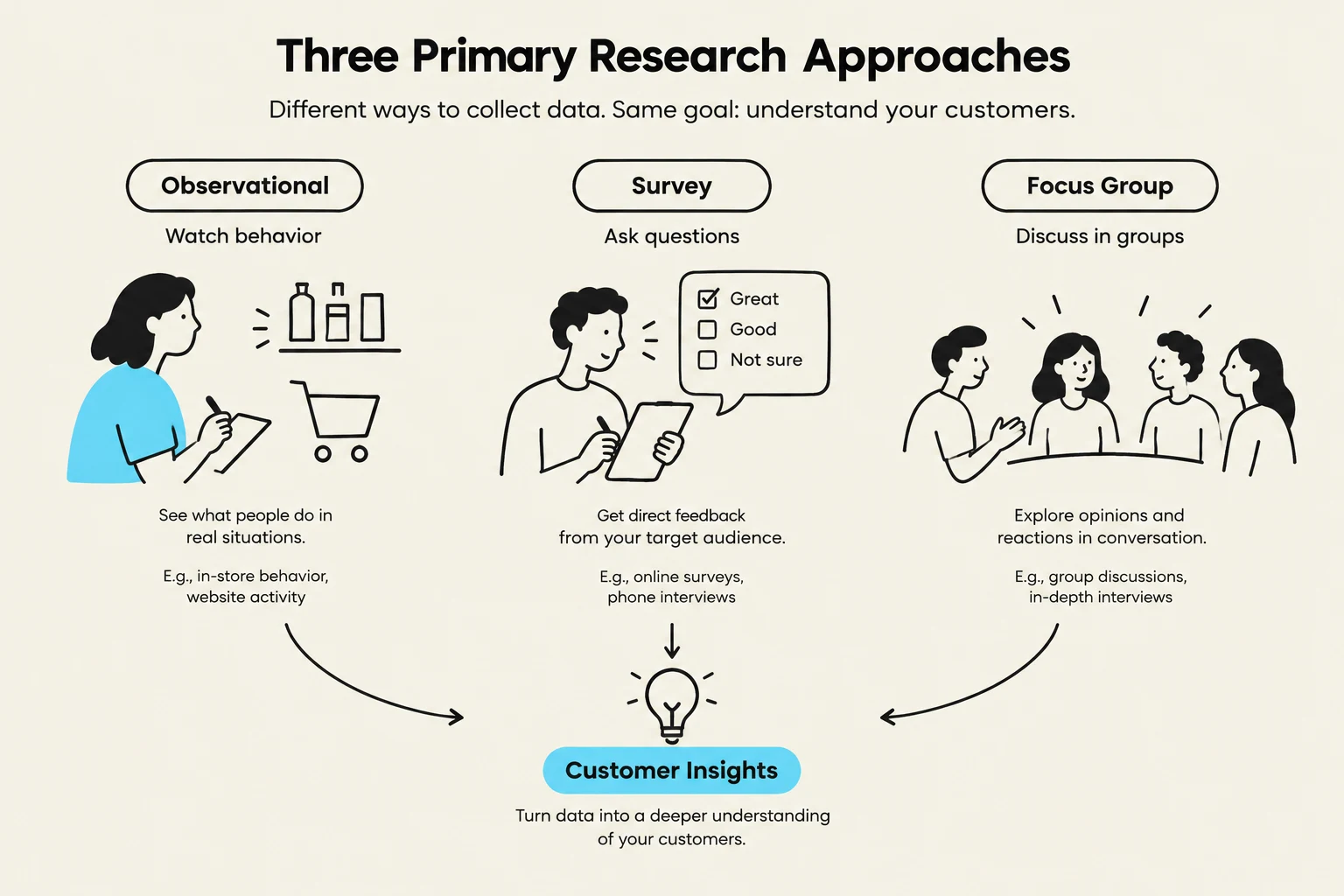
Once the problem is defined, researchers must decide what kind of information they need. This decision usually falls into two categories: using information that already exists or gathering brand-new information.
Secondary vs. Primary Data
Secondary data refers to information that already exists somewhere, having been collected for another purpose. It is often the first stop for researchers because it is low-cost and can be obtained quickly. Sources include internal company databases, commercial online databases, or internet search engines.
Keep reading for free.
Create an account to finish this reading and make it part of your study routine.
Continue reading freeAlready have an account? Log in
Updated