


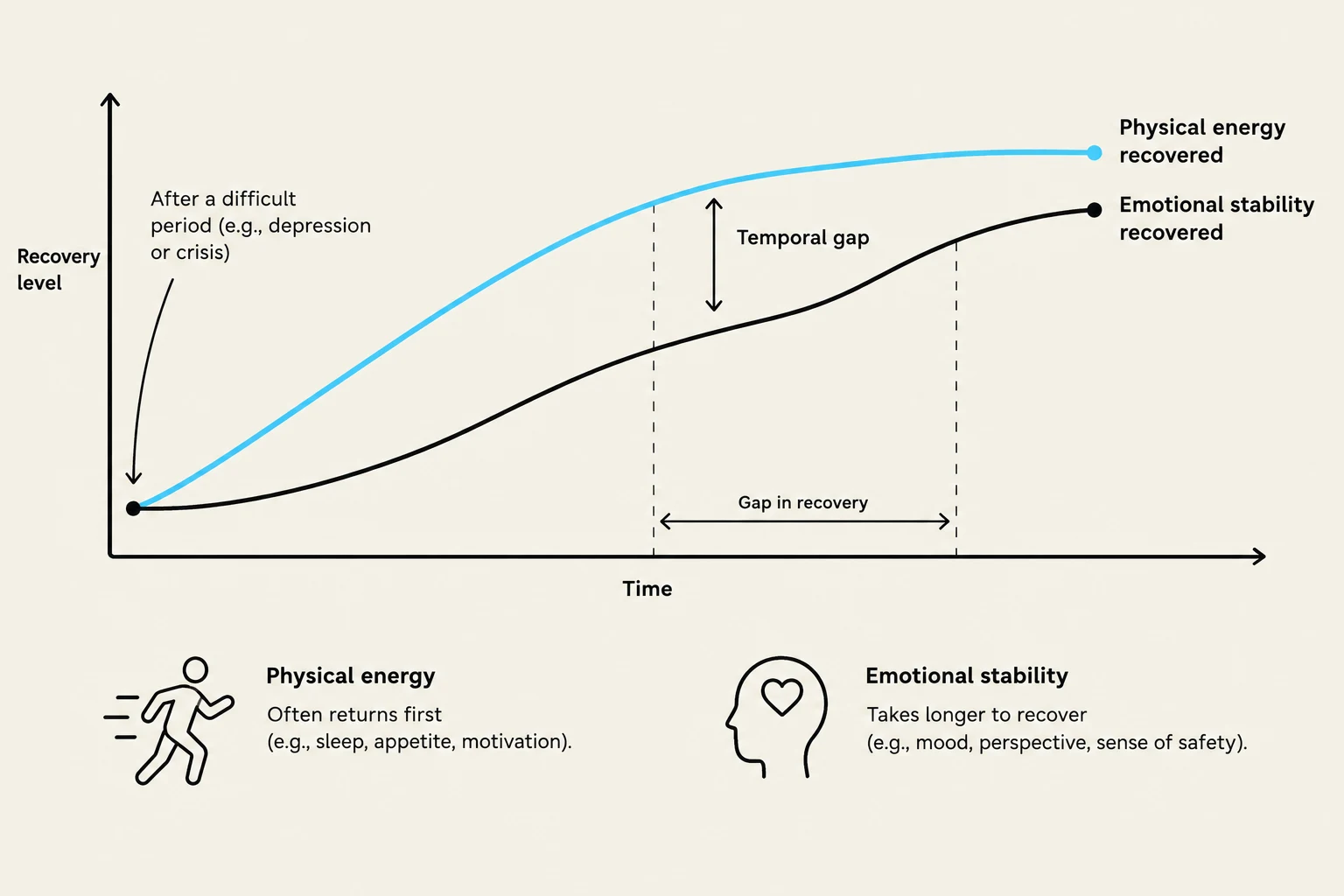
In the clinical management of major depressive disorder, there is a phenomenon that often strikes clinicians and caregivers with terrifying timing. A patient who has been profoundly depressed—characterized by lethargy, psychomotor retardation, and an inability to perform basic tasks—suddenly appears to be "getting better." They show increased energy, improved sleep, and a newfound ability to engage with the world. However, instead of signaling a successful recovery, this sudden surge in physical energy can actually signal a critical increase in suicide risk. This counterintuitive period is known as "The Lifting Phenomenon."
The Mechanics of Depressive States
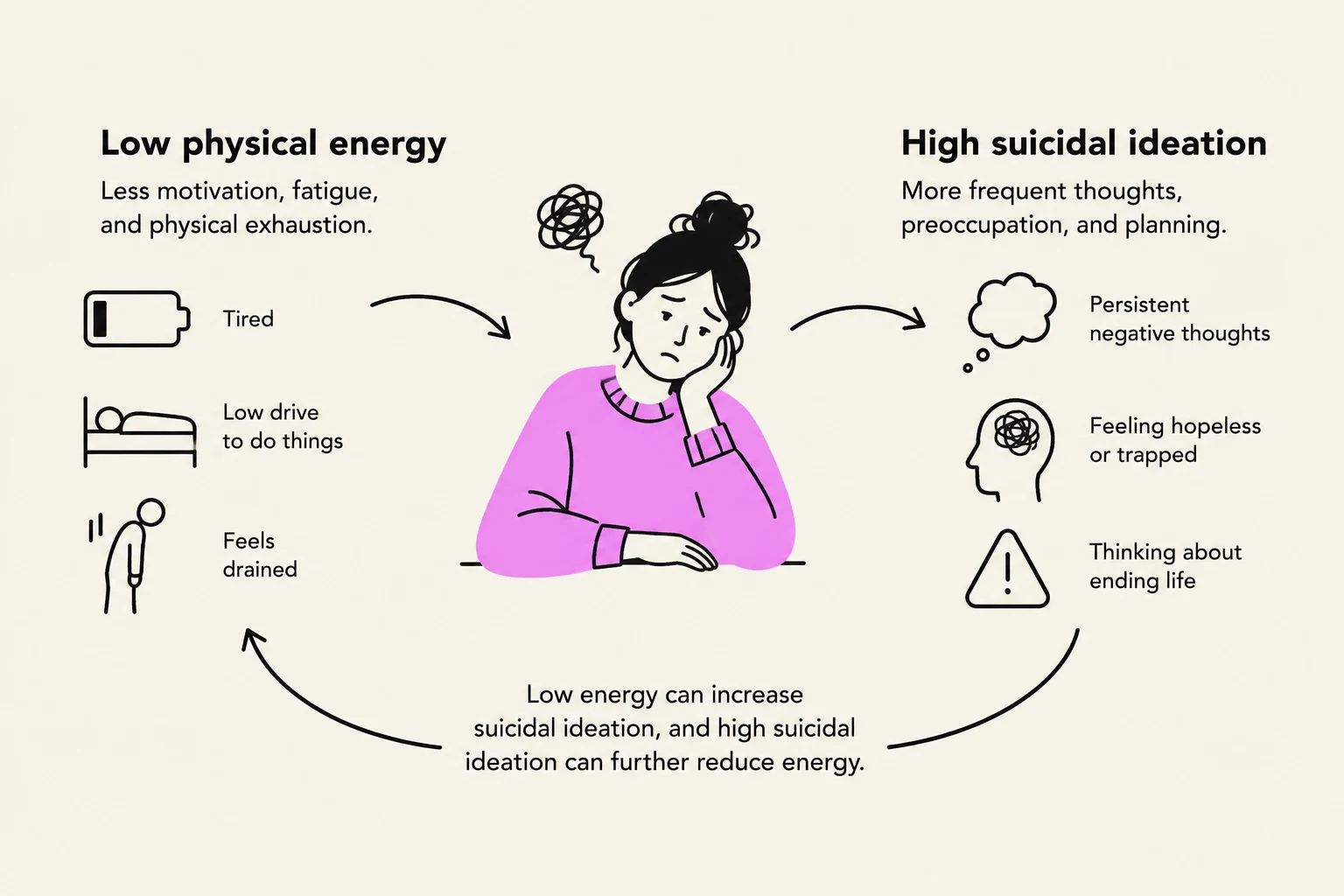
To understand why an increase in energy is dangerous, we must first understand the baseline state of severe depression. Severe depression is not merely a "sad mood"; it is a systemic physiological state that often involves significant psychomotor retardation. In this state, the individual's cognitive and physical processes are slowed down.
While the person may experience intense suicidal ideation (thoughts of death), they often lack the "activation energy" required to act upon those thoughts. The heavy, leaden feeling in the limbs and the profound mental fog act as a biological brake, preventing the transition from thought to action.
The Paradox of the "Lifting" Phase
The Lifting Phenomenon occurs when a patient begins to respond to treatment (such as antidepressant medication) or experiences a natural shift in their neurochemistry. During this phase, the physiological "brake" begins to release before the psychological distress has actually subsided.

Keep reading for free.
Create an account to finish this reading and make it part of your study routine.
Continue reading freeAlready have an account? Log in
Updated