


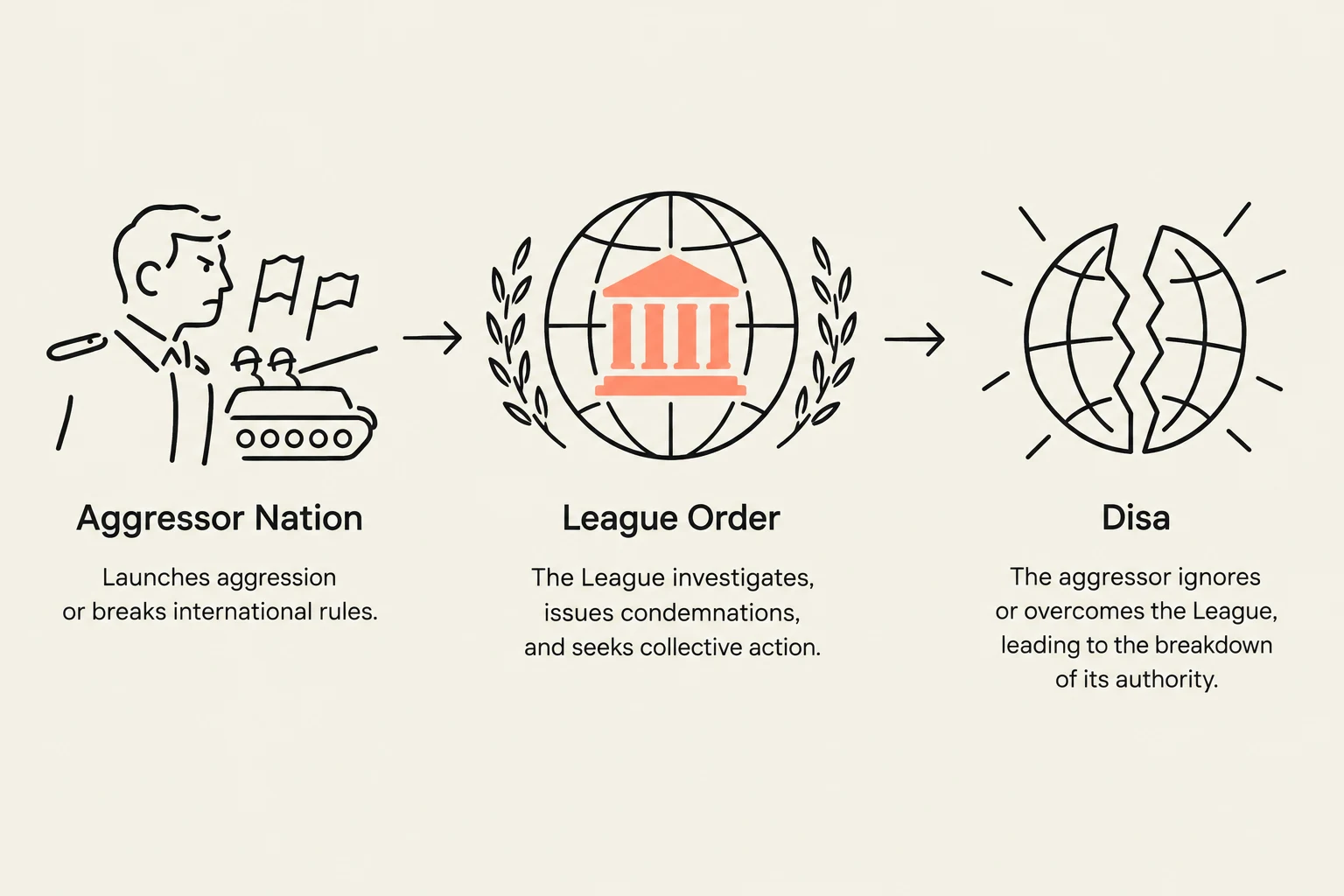
In the aftermath of World War I, the international community sought to create a system that would prevent such a catastrophic conflict from ever happening again. The centerpiece of this effort was the League of Nations (LON). During the 1920s, the League's performance was a subject of intense debate. While it demonstrated a capacity for peaceful arbitration and humanitarian work, it simultaneously struggled to assert its authority over powerful nations, leading to a mixed record of success and failure.
Success Through Peaceful Negotiations and Arbitration
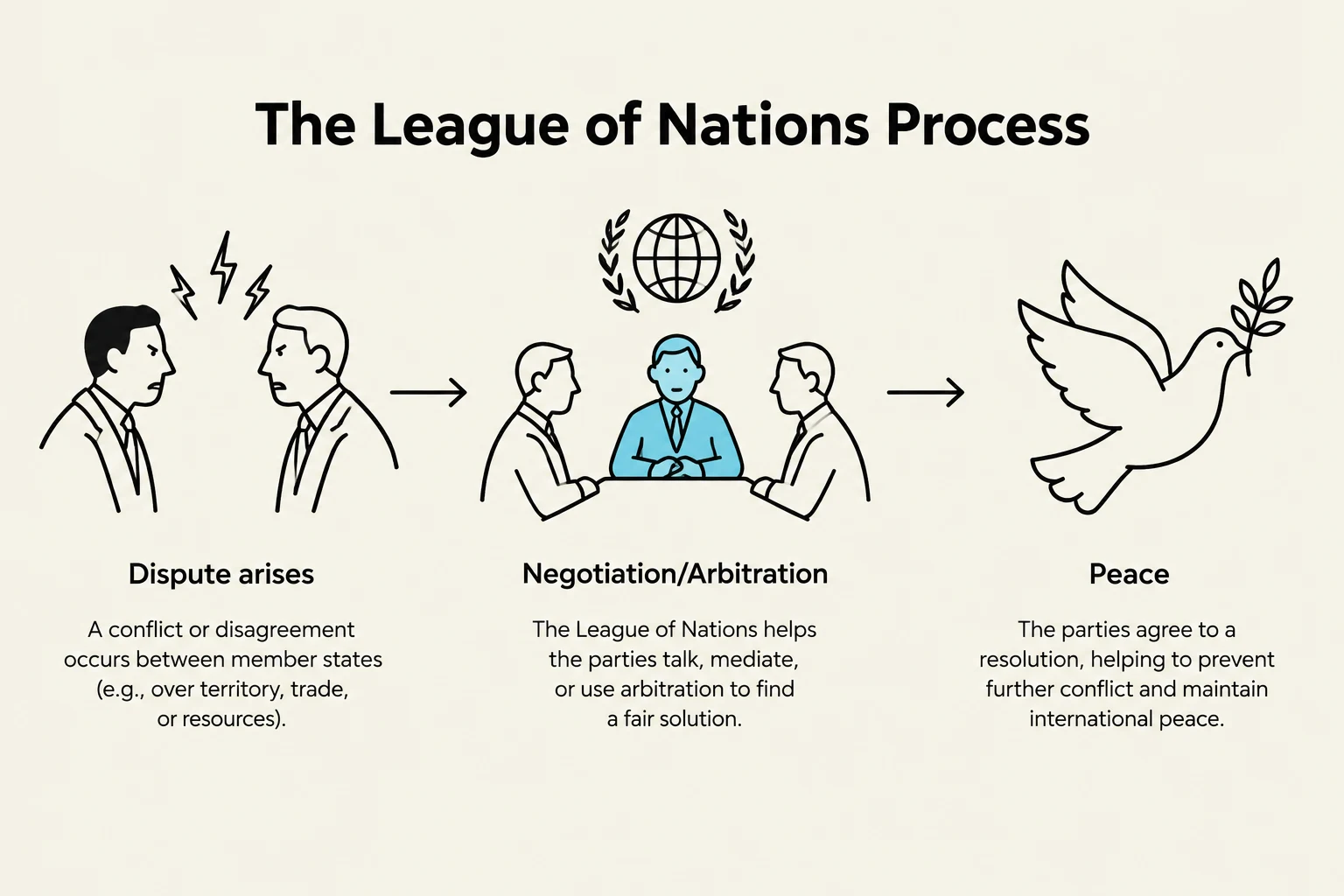
During its first decade, the League of Nations proved that international cooperation could work to resolve territorial and border disputes without resorting to large-scale warfare. By utilizing peaceful negotiations and arbitration, the League acted as a mediator between nations, providing a forum where grievances could be addressed through diplomacy rather than bullets.
Two specific examples highlight this early success:
- The Upper Silesia Dispute (1921): Following the war, Germany and Poland both claimed the industrial region of Upper Silesia. The League stepped in to manage the situation by organizing a plebiscite (a direct vote by the people) and subsequently dividing the area peacefully.
- The Greek-Bulgaria Border Conflict (1925): When tensions flared on the border between Greece and Bulgaria, the League intervened by demanding that both sides cease fighting and withdraw their troops.
These instances served as proof that the League could function as an effective peacekeeper for minor or localized conflicts.
Keep reading for free.
Create an account to finish this reading and make it part of your study routine.
Continue reading freeAlready have an account? Log in
Updated