


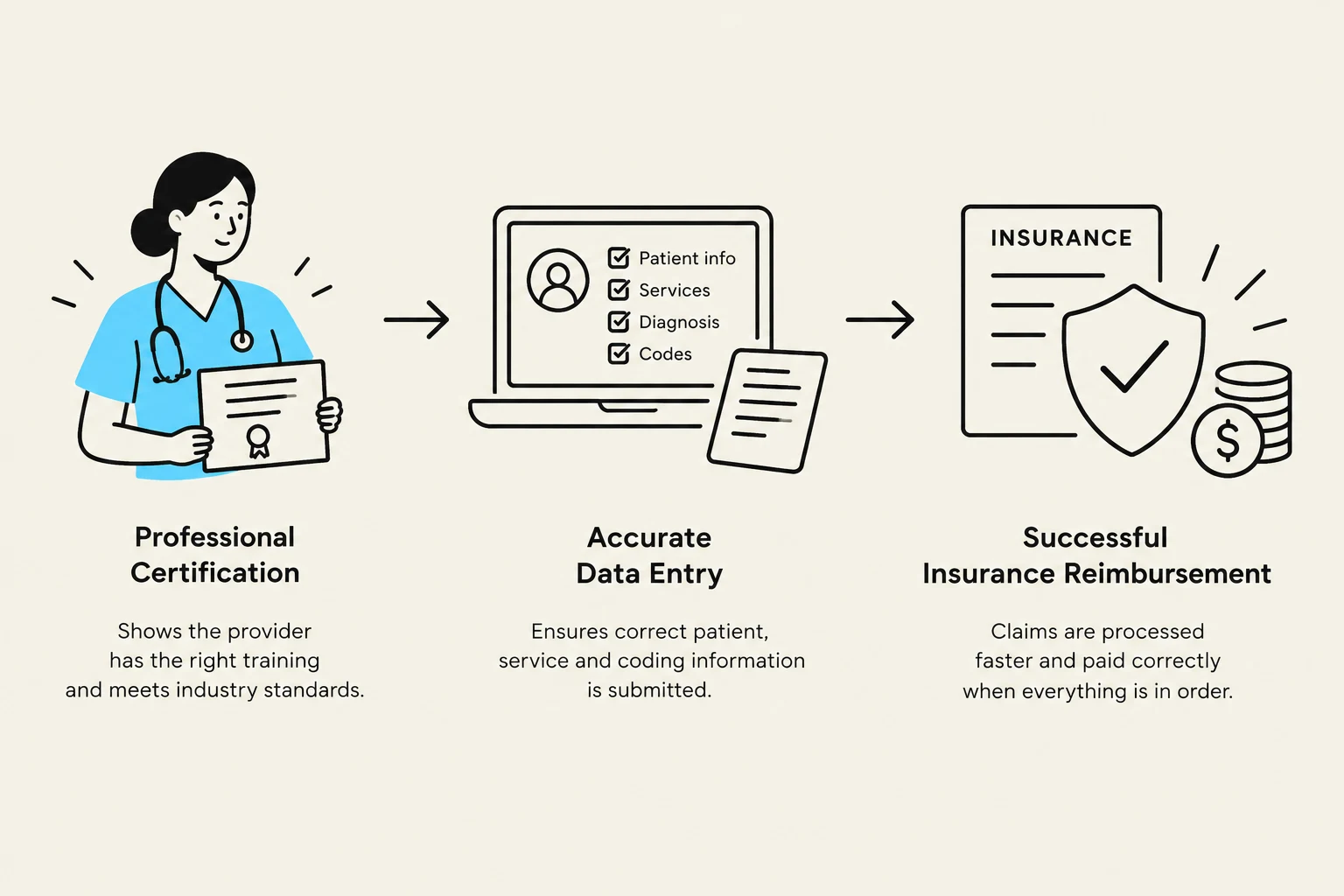
In the rapidly evolving landscape of modern healthcare, the distinction between a person who has completed a training program and a professional who is "credentialed" is profound. For medical professionals, particularly those in clinical support roles, credentialing serves as the bridge between academic knowledge and professional legitimacy. It is not merely a badge of honor; it is a fundamental requirement for employment, patient safety, and the complex financial machinery that keeps clinics running.
Understanding Credentialing and Certification
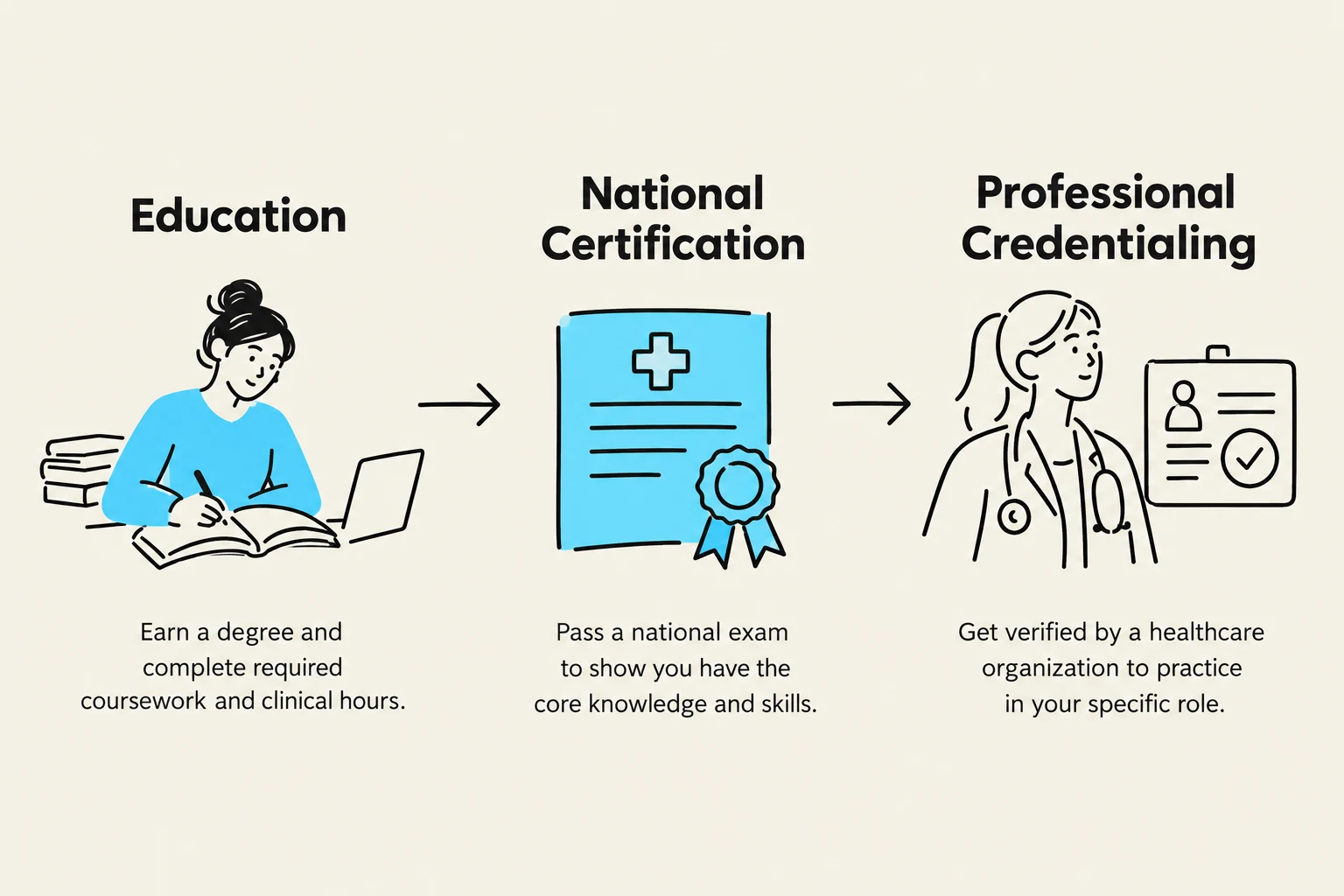
At its core, credentialing is the process of verifying a professional's qualifications, including their education, training, experience, and licensure. While "certification" often refers to the specific process of passing a national exam to prove competency in a specialty, "credentialing" is the broader administrative umbrella that ensures a provider is fit to practice within a specific facility or network.
For many healthcare roles, such as Medical Assistants, obtaining national certification is the gold standard. This process demonstrates to employers that the individual has met a rigorous, standardized level of knowledge that is recognized across the country, rather than just within a single classroom or local training center.
Exam Tip: Do not confuse "licensure" with "certification." A license is issued by a government agency to permit practice, whereas certification is issued by a professional organization to recognize specialized knowledge and skills.
The Employment Imperative
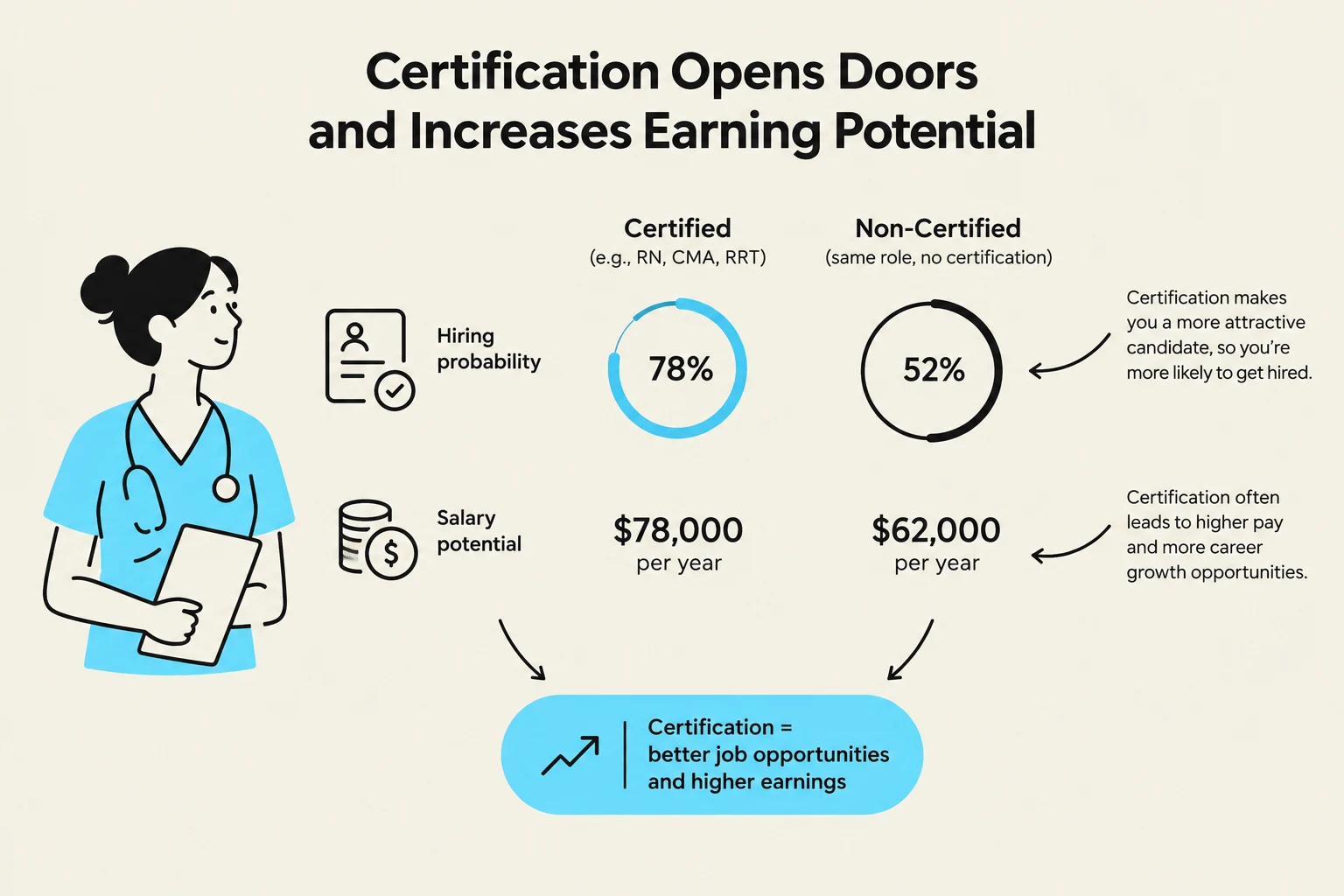
From a career perspective, credentialing is often the "gatekeeper" to employment. As healthcare facilities face increasing scrutiny regarding quality of care, they are less likely to hire uncertified staff. Employers use national certification as a primary screening tool to mitigate risk.
Keep reading for free.
Create an account to finish this reading and make it part of your study routine.
Continue reading freeAlready have an account? Log in
Updated