


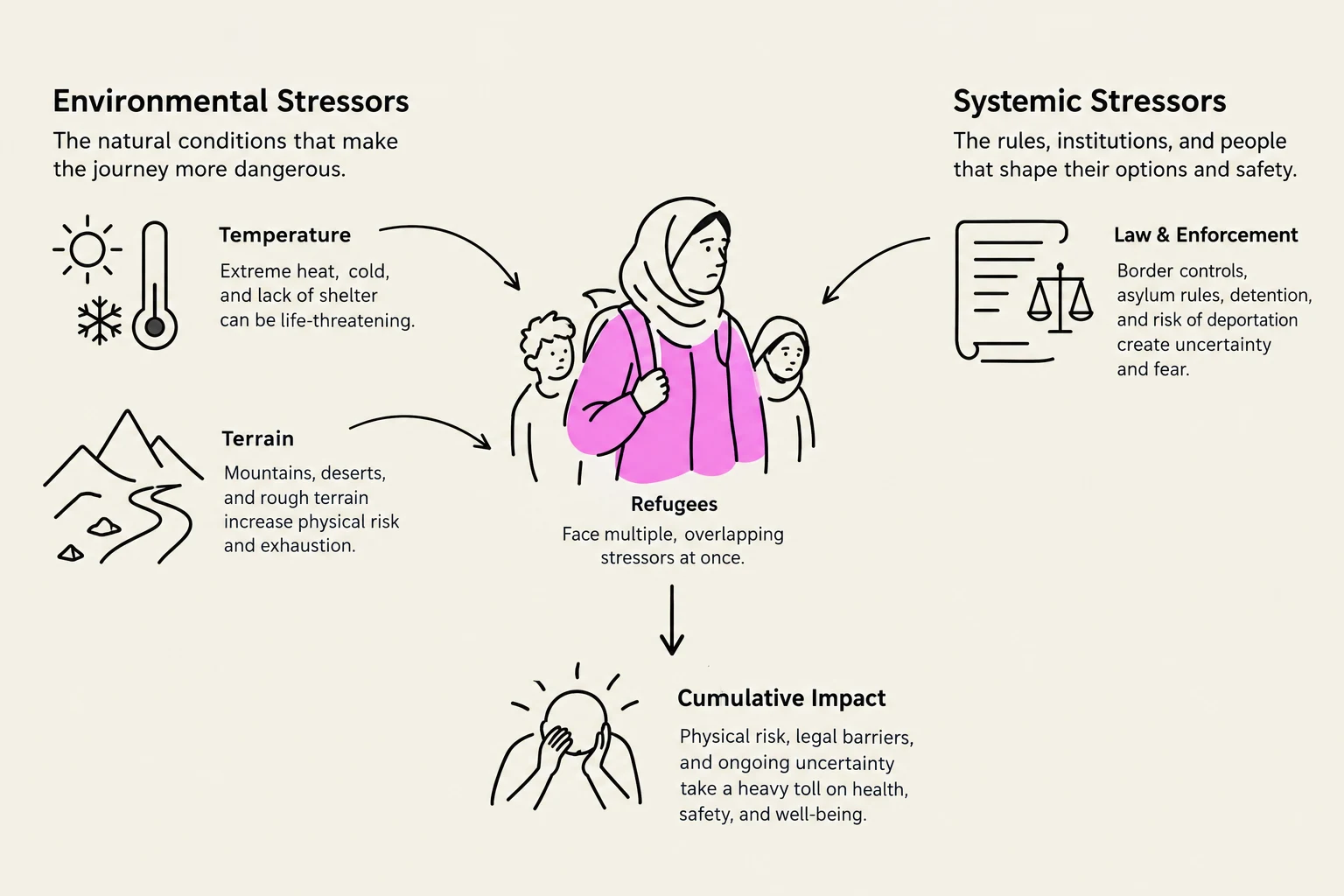
The Syrian refugee crisis is not merely a collection of statistics or geopolitical shifts; it is a profound human phenomenon defined by individual struggle, immense courage, and overwhelming loss. For many Syrians, the decision to leave was not a choice but a desperate necessity driven by the devastation of war and the collapse of societal infrastructure. The journey from conflict zones toward the perceived safety of Europe is a multi-stage odyssey characterized by extreme physical danger, psychological trauma, and the constant struggle for survival against both nature and systemic barriers.
The Psychological Landscape: Fear and the "Scary Future"
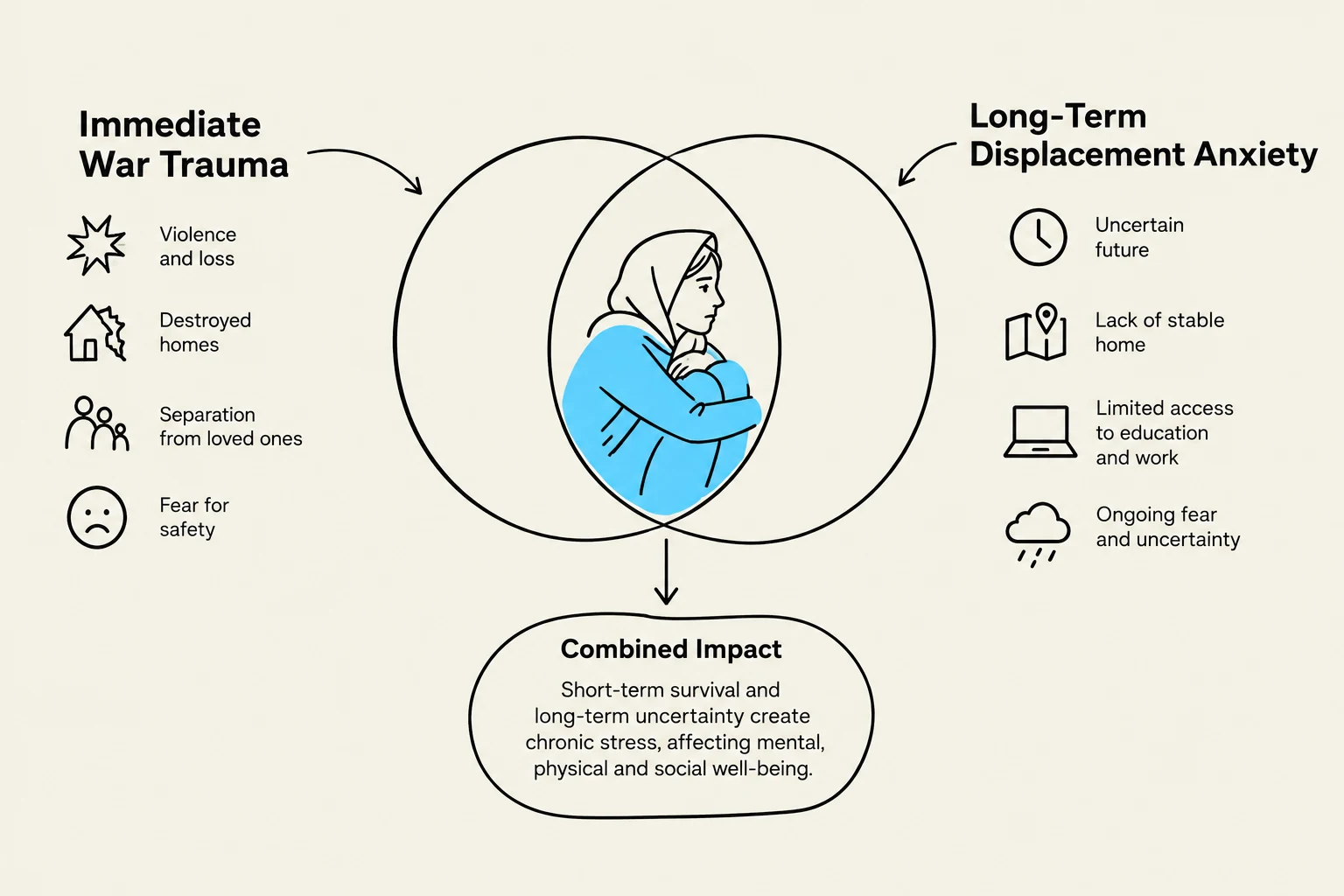
For a refugee, the trauma begins long before they reach a border. The psychological state of those fleeing Syria is often defined by a duality of grief: the mourning of what was lost in their homeland and the intense anxiety regarding an uncertain future.
Personal accounts reveal that the fear of the sea—while significant—is often secondary to the profound grief of familial separation. One individual noted that while the sea is terrifying, it does not compare to the "horror" and "ugliness" of what they witnessed within Syria. This creates a state of constant tension where the refugee is caught between a known, violent present and an unknown, precarious future.
Study Tip: When analyzing refugee narratives, distinguish between acute trauma (immediate events like war) and chronic stress (long-term uncertainty and loss of stability). Both contribute to the overall psychological profile of displacement.

Keep reading for free.
Create an account to finish this reading and make it part of your study routine.
Continue reading freeAlready have an account? Log in
Updated