


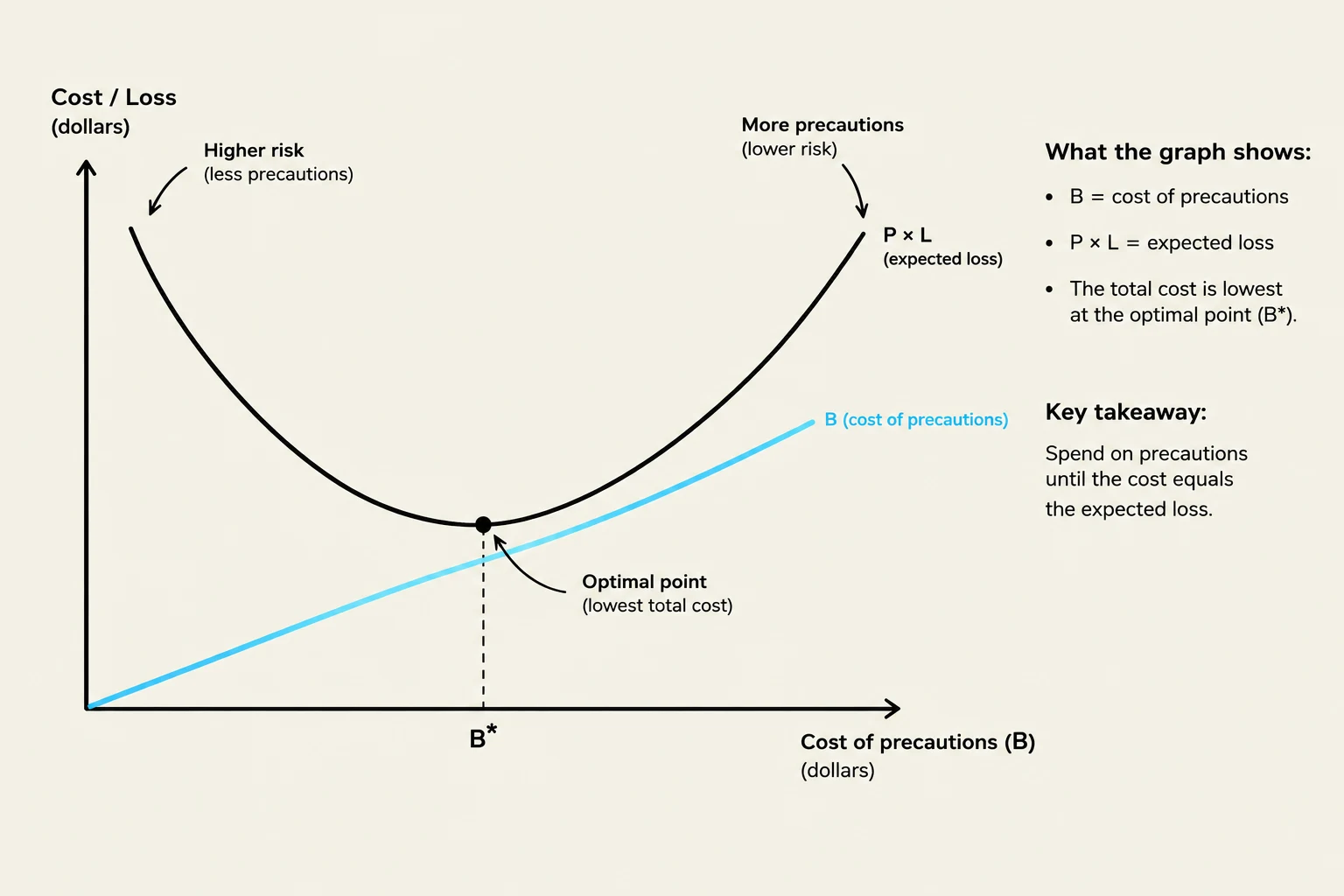
In the study of maritime law and the legal definition of negligence, few cases are as foundational as the incident involving the tug Carroll and the barge Anna C. While legal scholars often focus on the mathematical "Hand Formula" derived from this case, understanding the actual sequence of events is essential to grasping why the court reached its landmark decision. This article reconstructs the factual timeline of the collision and the subsequent sinking that changed the landscape of tort law.
The Setup: A Maritime Towing Operation
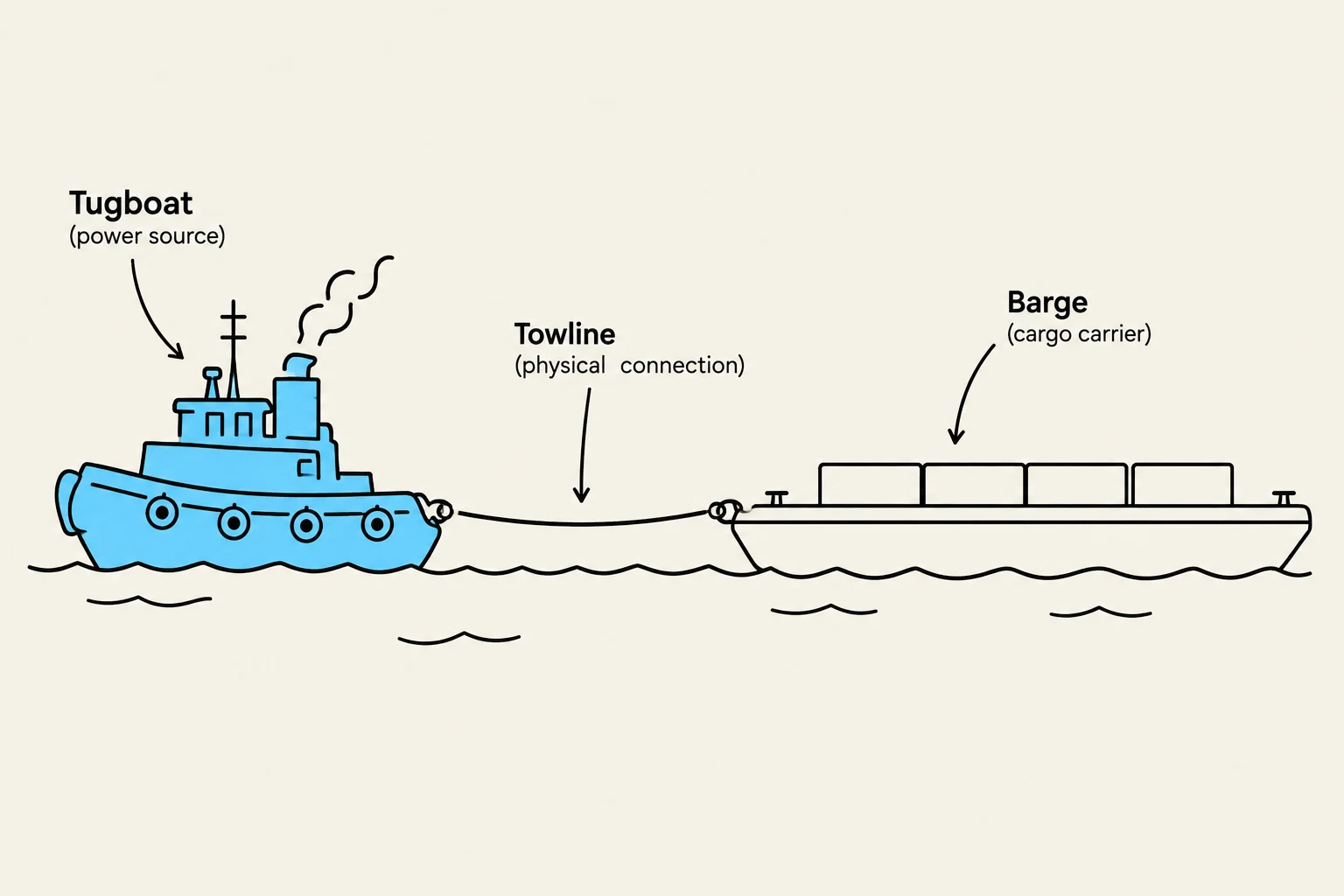
The incident occurred in the busy waters of New York Harbor. The primary actors in this maritime drama were the tugboat Carroll and a large, unpowered barge named Anna C.
In maritime operations, a tugboat acts as the "engine" for a barge. The barge carries heavy cargo but lacks its own propulsion system, meaning it is entirely dependent on the tug for steering, speed control, and safety. On the day of the accident, the Carroll was tasked with maneuvering the Anna C through the harbor.
Key Concept: The Relationship of Control In a towing arrangement, the tug captain (the master of the tug) bears a heightened responsibility for the safety of the barge. Because the barge is "dead weight," any failure in the tug's management of the tow can lead to catastrophic results.
The Sequence of Events: The Collision
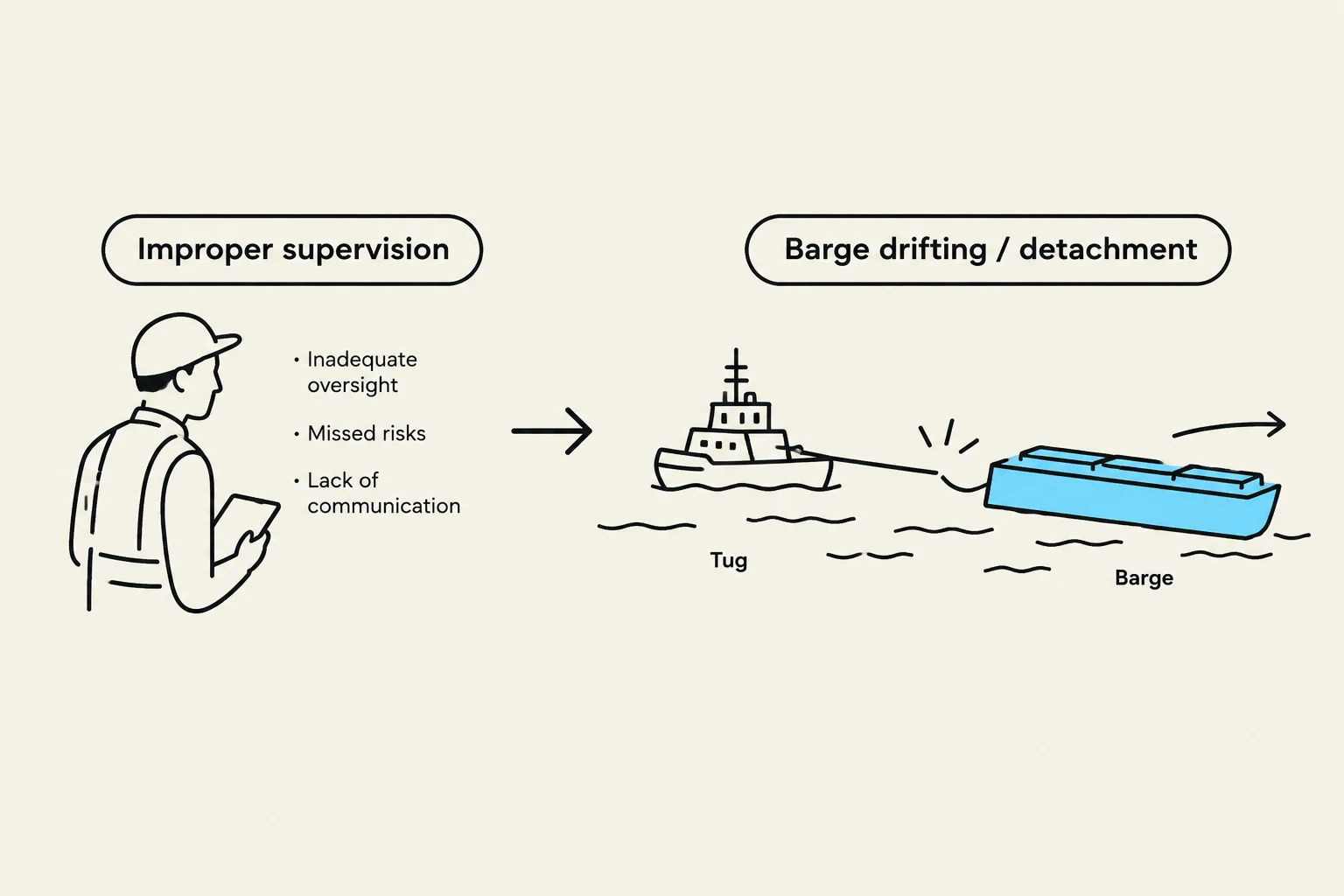
The accident was not a single moment of impact, but rather a chain of events triggered by a failure in oversight. As the Carroll was navigating, the barge Anna C became detached or was improperly managed in a way that allowed it to drift into the path of another vessel.
Keep reading for free.
Create an account to finish this reading and make it part of your study routine.
Continue reading freeAlready have an account? Log in
Updated