


In the mid-20th century, the world faced a daunting challenge: a rapidly growing global population paired with stagnant agricultural productivity. The fear of widespread famine loomed large as traditional farming methods struggled to keep pace with human demand. This tension set the stage for the Green Revolution, a period of intense technological advancement in agriculture that fundamentally altered how we grow, distribute, and afford food.
The Architect of Change: Norman Borlaug
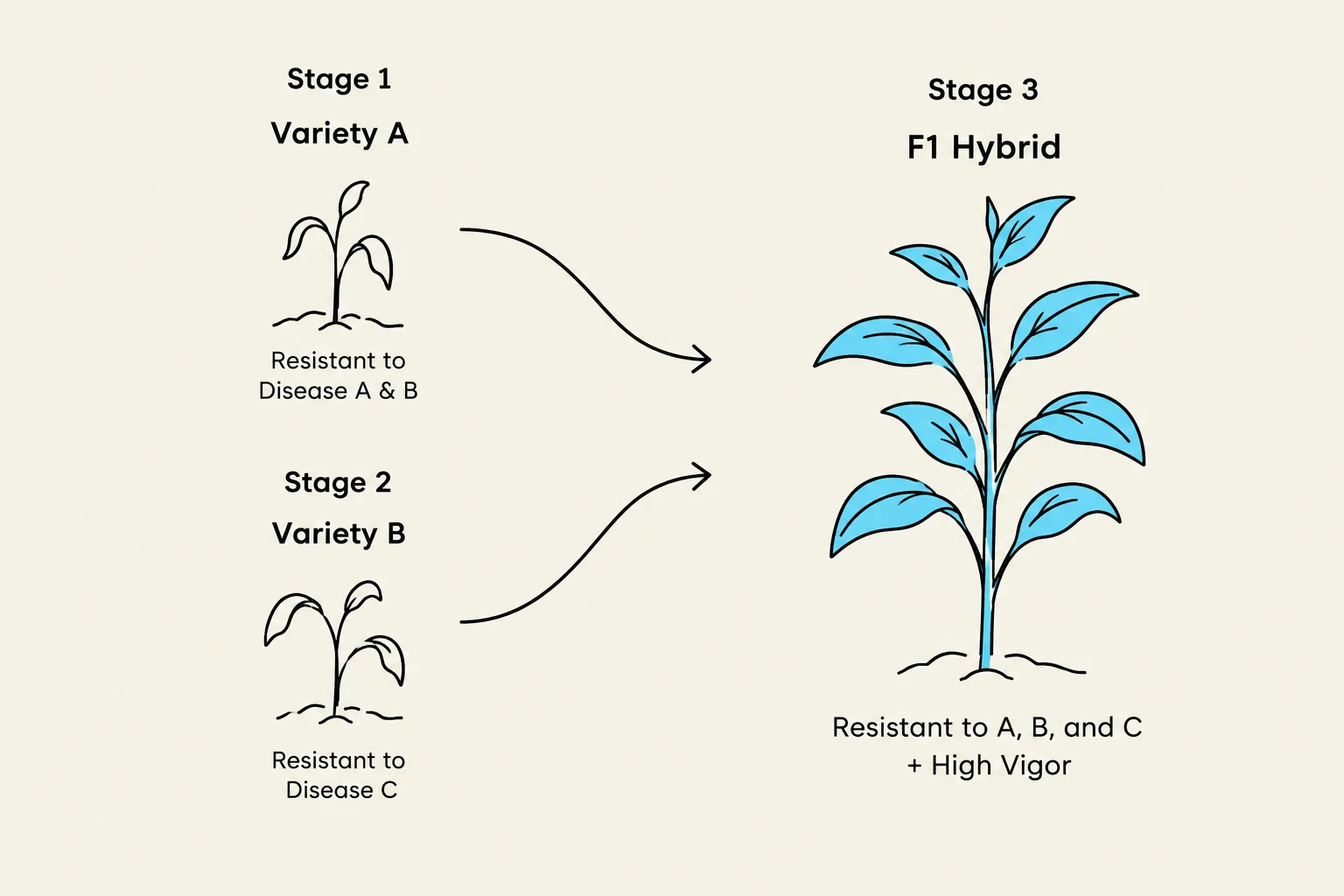
The Green Revolution is inextricably linked to the work of Norman Borlaug. Often referred to as the founder of the Green Revolution, Borlaug’s work in plant breeding and agricultural science provided the foundation for modern high-yield farming. For his efforts in developing high-yield, disease-resistant wheat varieties that helped avert global starvation, Borlaug was awarded the Nobel Peace Prize.
His approach was not merely about growing more food, but about using science to make crops more resilient and efficient. By focusing on the genetics of staple crops, Borlaug and subsequent scientists transformed agriculture from a practice largely dependent on local environmental luck into a highly controlled, technological industry.
Technological Drivers: Yield and Disease Resistance
The primary goal of the Green Revolution was to maximize the output of agricultural land. This was achieved through several key technological pillars:
1. Dramatic Yield Increases
Through the development of "high-yield varieties" (HYVs), scientists were able to significantly increase the amount of food produced from a single plot of land. This efficiency meant that more calories could be produced without a proportional increase in the amount of land used, theoretically decreasing the pressure to convert forests and natural habitats into farmland.

Keep reading for free.
Create an account to finish this reading and make it part of your study routine.
Continue reading freeAlready have an account? Log in
Updated