


For decades, the A Guide to the Project Management Body of Knowledge (PMBOK® Guide) has served as the global benchmark for project professionals. However, the guide is not a static textbook; it is a living standard that evolves alongside the complexities of the modern marketplace. The journey from its early iterations to the Eighth Edition represents a profound transformation in how we define success—moving from a rigid focus on "doing things right" (process efficiency) to a holistic focus on "doing the right things" (value delivery).
The Early Eras: Establishing the Process-Based Standard
In its formative years, specifically between 1996 and 2004, the PMBOK® Guide focused on establishing a collection of "generally accepted" practices. During this era, the guide was primarily process-based. It organized project management into specific Knowledge Areas and demonstrated how various processes interacted to move a project from start to finish.
By the third edition, the Project Management Institute (PMI) began to formalize the distinction between The Standard for Project Management and the broader Body of Knowledge. This era was characterized by a structured, prescriptive approach designed to provide a roadmap for managing scope, schedule, and cost within clearly defined constraints.
The Shift Toward Agility and Value Delivery
As the global economy shifted toward faster innovation cycles, the PMBOK® Guide had to adapt to non-traditional methodologies. The Sixth Edition marked a significant milestone by integrating agile and adaptive content directly into the core text, rather than treating it as an optional add-on.
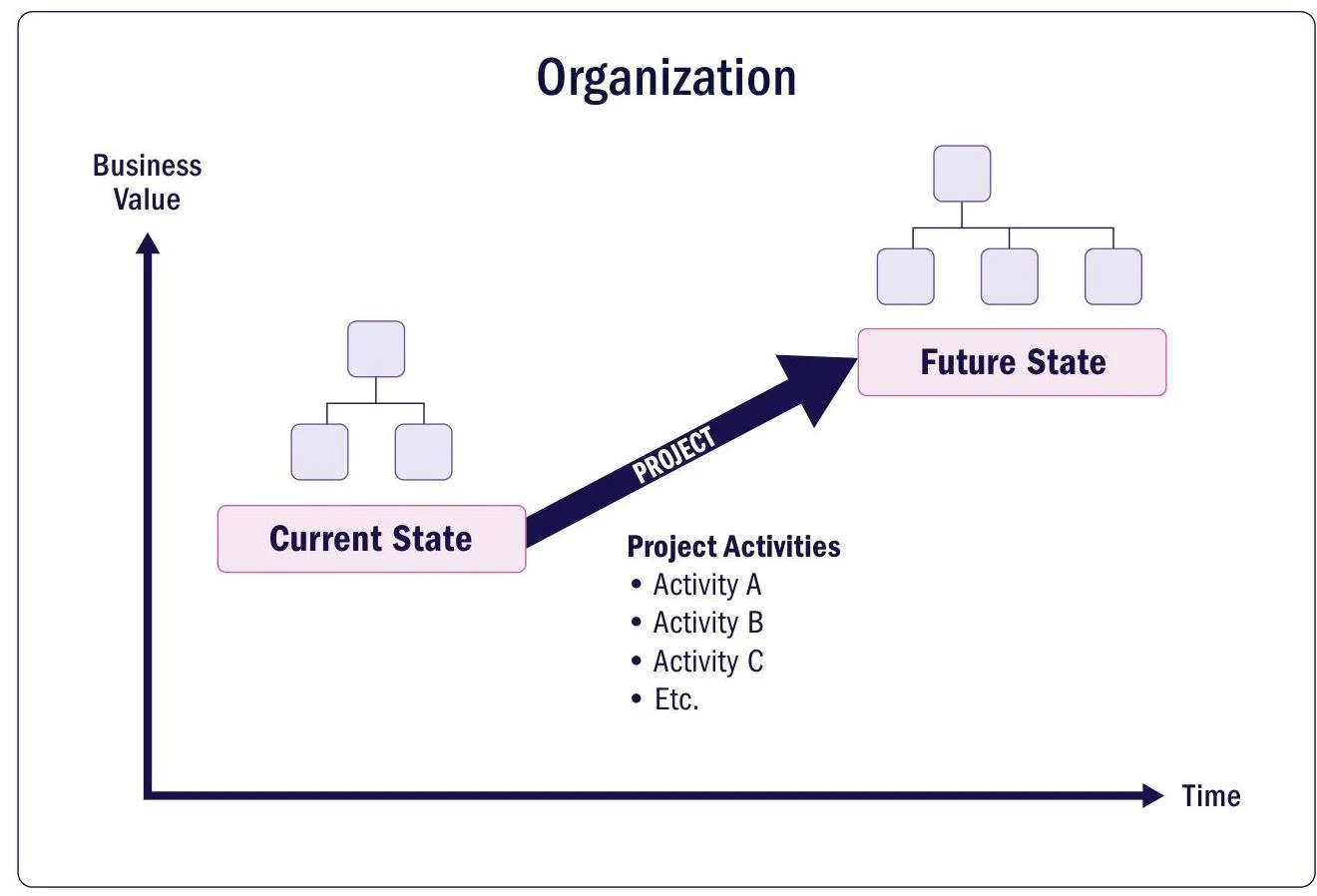
This evolution culminated in the Seventh Edition, which introduced a massive paradigm shift: viewing project management as a system for value delivery. Instead of focusing solely on whether a project met its technical requirements, the standard began to emphasize whether the project actually realized its intended benefits and value proposition.
Keep reading for free.
Create an account to finish this reading and make it part of your study routine.
Continue reading freeAlready have an account? Log in
Updated