


The history of fire alarm systems is a narrative of continuous technological progression. Spanning from the 1700s through the 2000s, the industry has moved from rudimentary mechanical alerts toward the digital, interconnected, and intelligent networks used in contemporary fire protection engineering. This evolution has been driven by a single, critical goal: improving life safety through faster detection and more precise communication.
The Microprocessor Revolution
A major turning point in this history occurred during the 1980s. The widespread development of personal computers during this era fundamentally changed how fire protection hardware was designed.
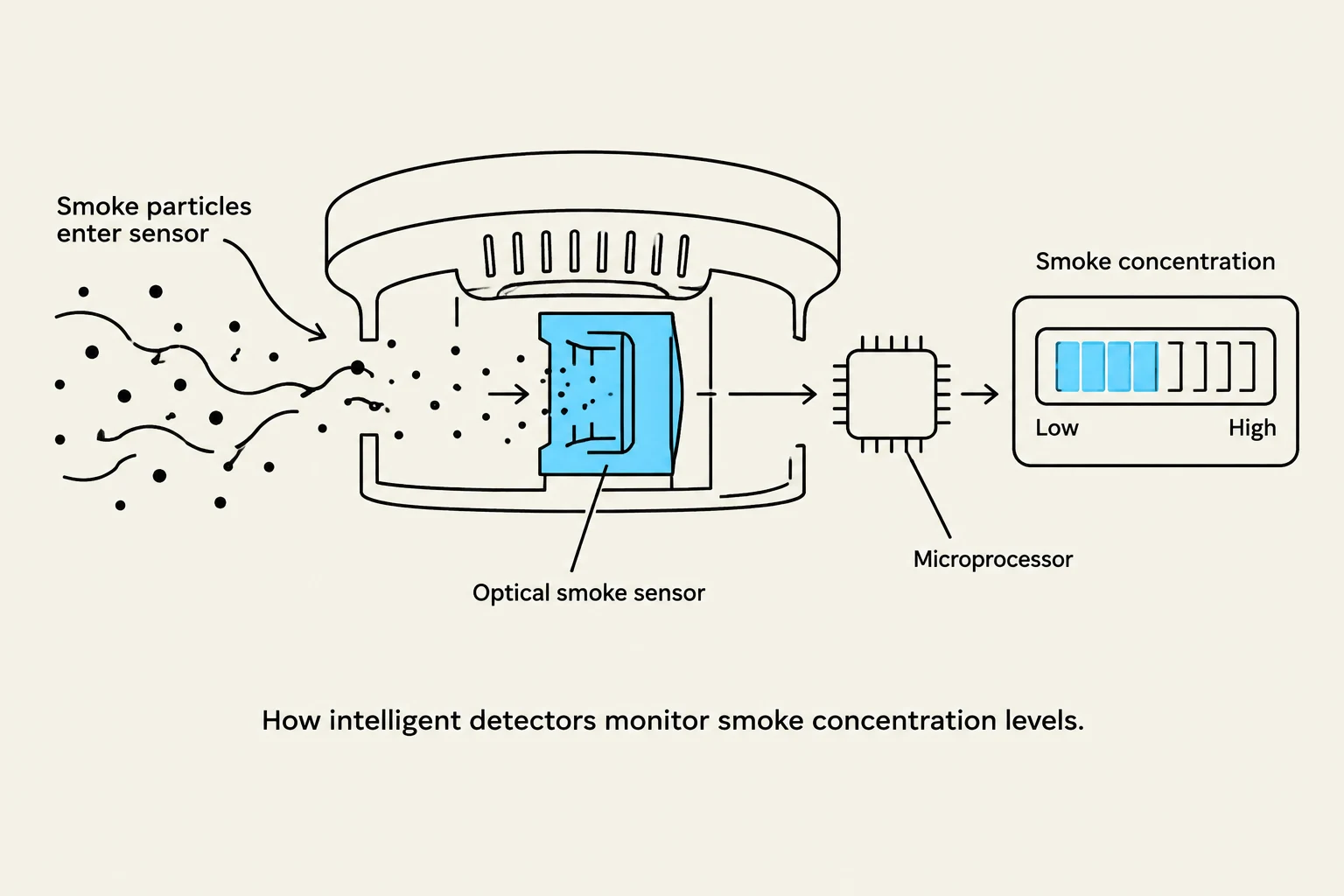
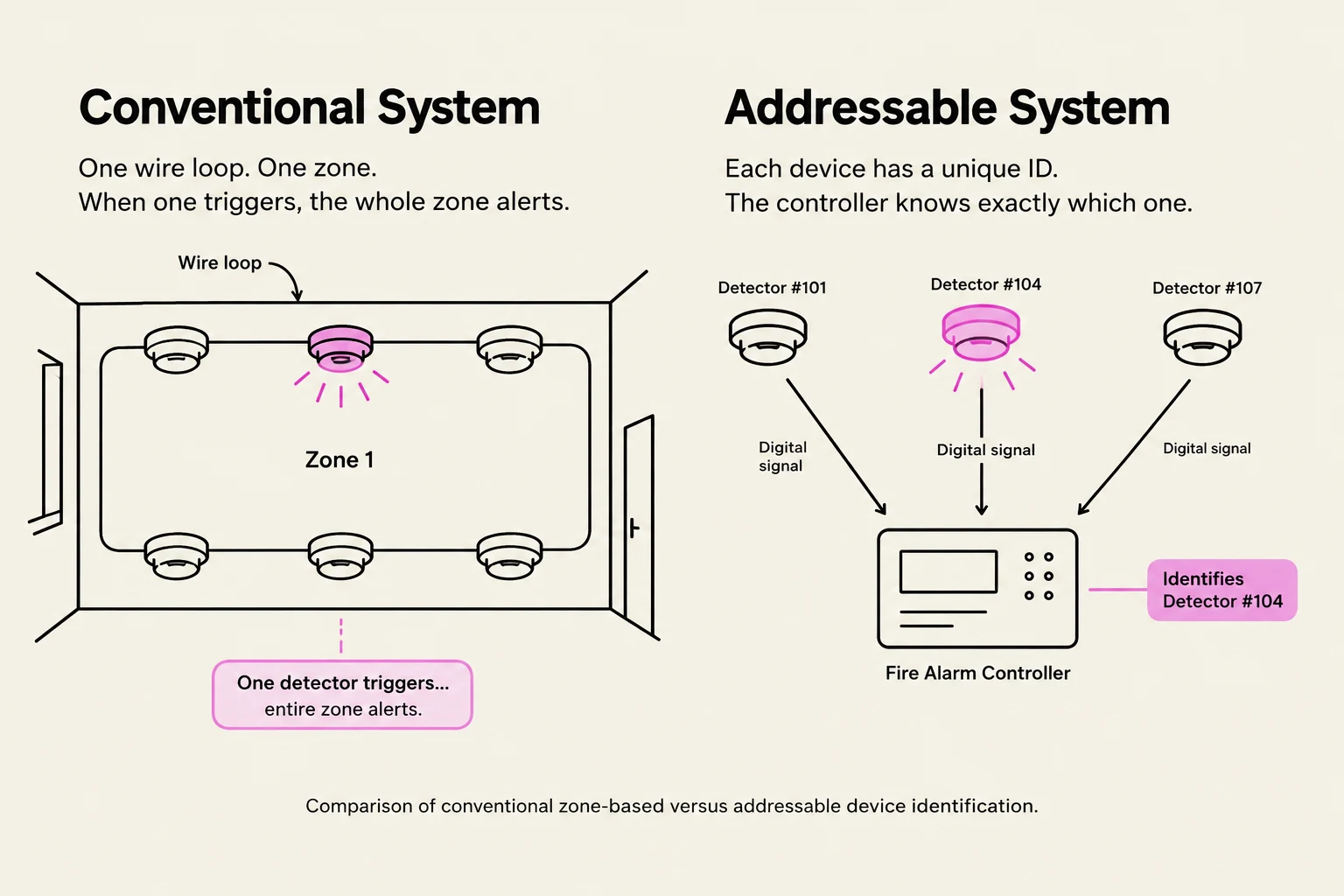
The introduction of microprocessor-based fire alarm controllers allowed for a level of computational power that was previously impossible in field devices. Rather than relying on simple electrical circuits that merely indicated whether a loop was broken or completed, these new controllers could process complex data, enabling the transition from conventional systems to modern addressable technology.
Addressable Systems and Intelligent Detection
Keep reading for free.
Create an account to finish this reading and make it part of your study routine.
Continue reading freeAlready have an account? Log in
Updated