


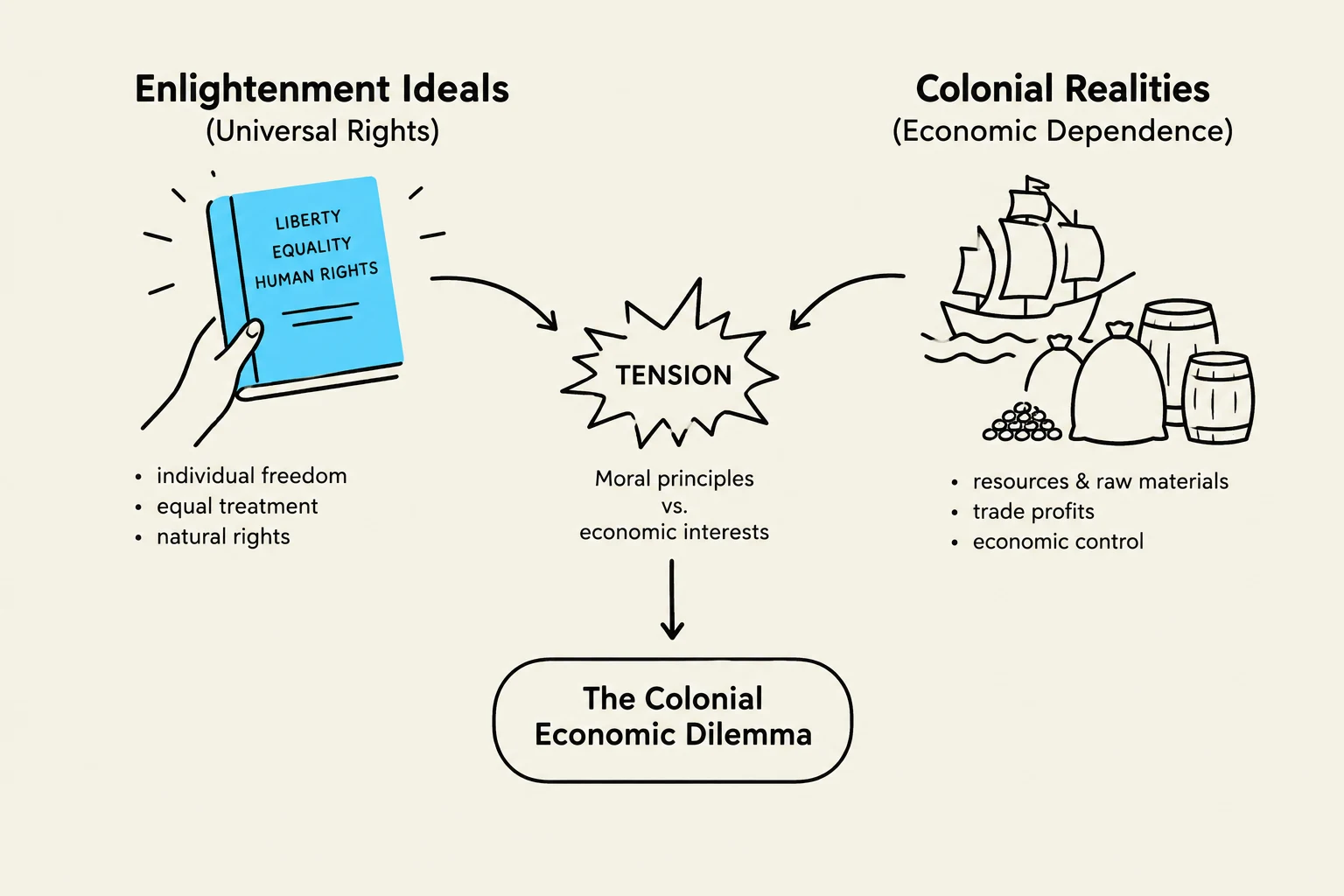
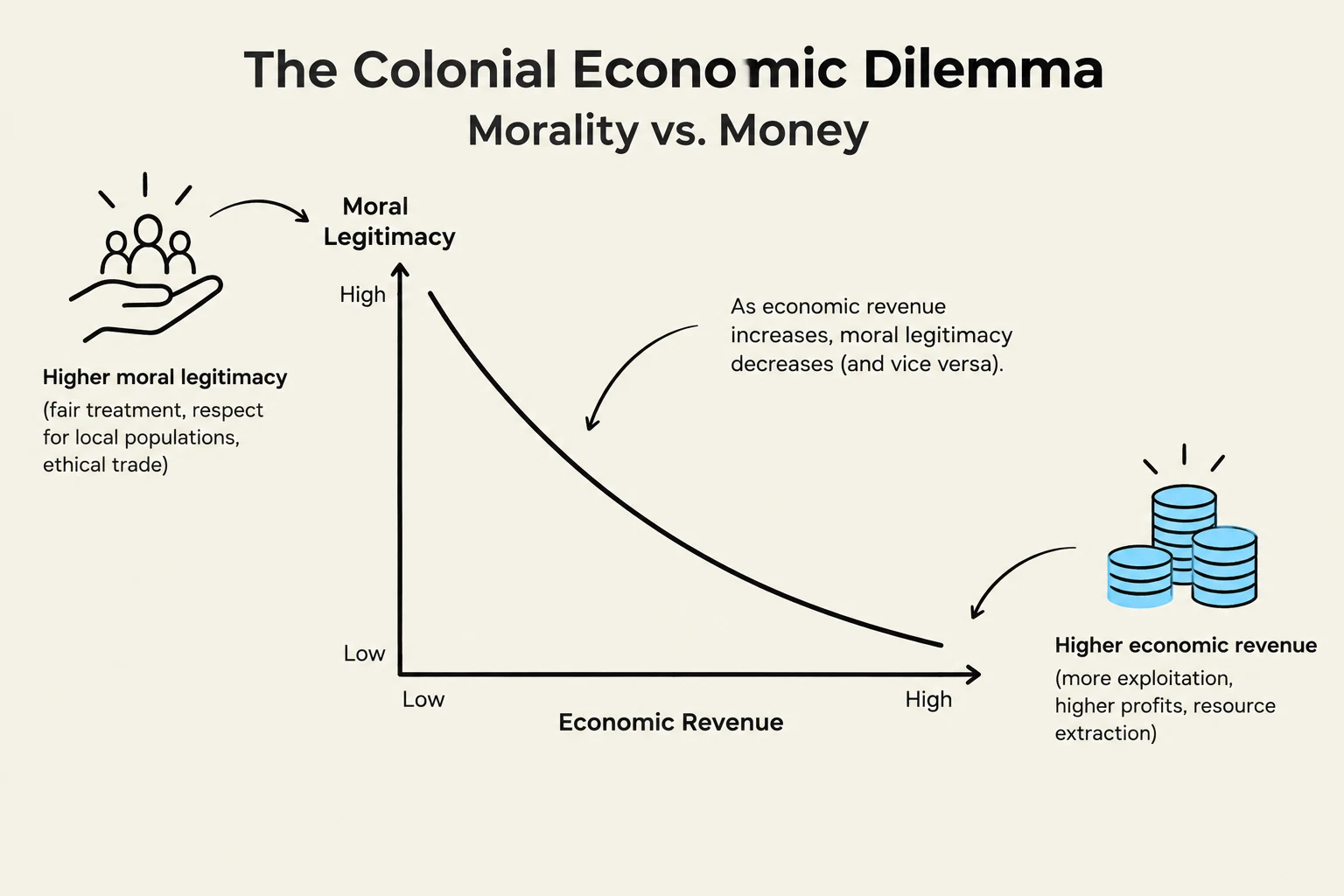
History is often viewed through the lens of grand ideological shifts, such as the rise of human rights and the pursuit of liberty. However, beneath the surface of these lofty ideals often lies a gritty, pragmatic struggle for survival. One of the most profound examples of this is the "Colonial Economic Dilemma"—the intense tension between the growing moral imperative to abolish slavery and the crushing economic dependency on the revenue generated by colonial systems.
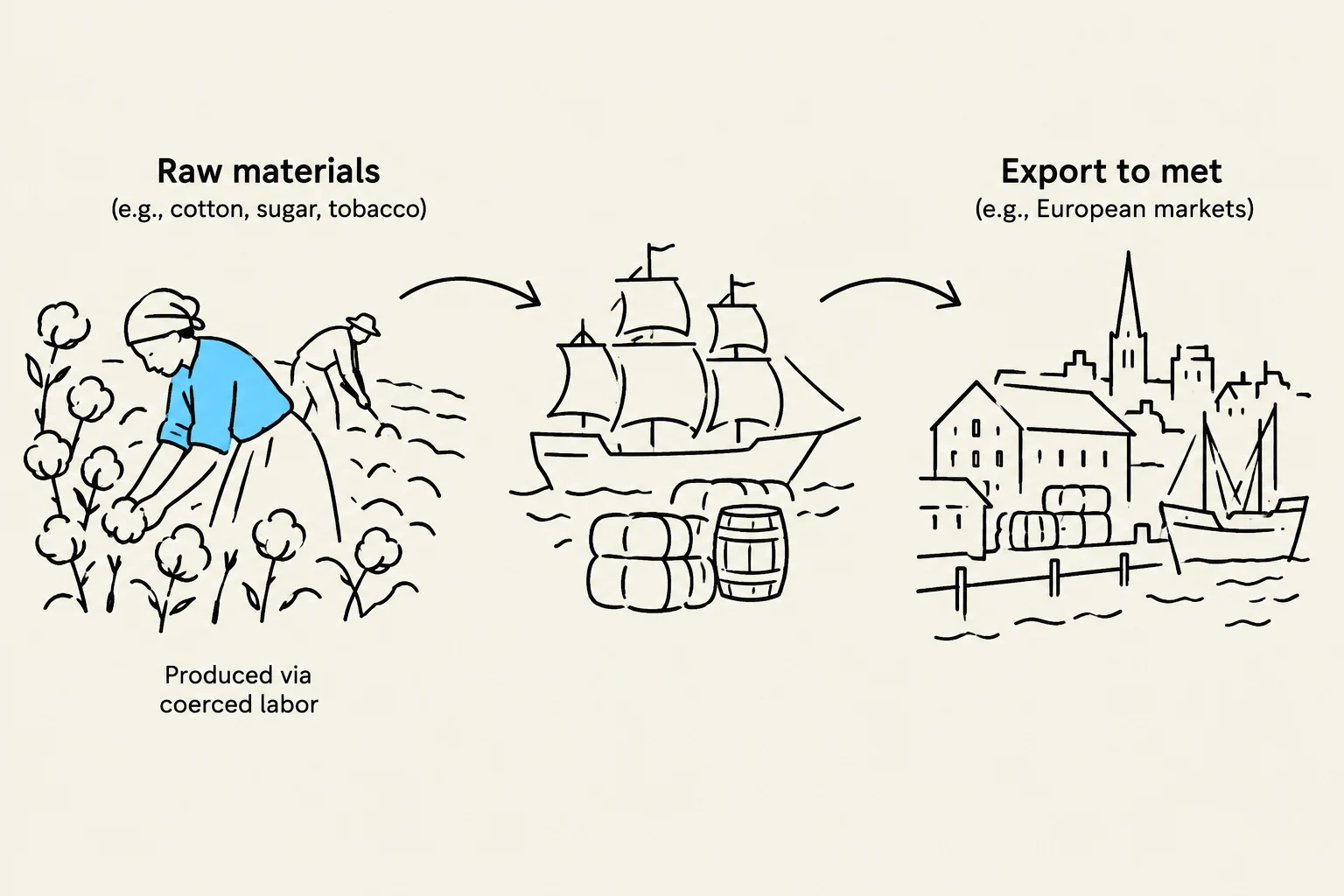
For many imperial powers, particularly during the era of the French Revolution, the question of whether to grant liberty to enslaved populations was not merely a philosophical debate; it was a question of national solvency. To abolish the system meant to potentially dismantle the very engine that funded the state.
The Moral Imperative: The Rise of Liberty
During the late 18th century, the intellectual landscape of Europe underwent a seismic shift. The concepts of natural rights and universal liberty began to permeate political discourse. As Enlightenment ideals took hold, the institution of slavery became increasingly difficult to justify under the new frameworks of "Rights, Reforms, and Liberty".
The paradox of this era was that while revolutionaries were proclaiming the "Rights of Man," these rights were often applied selectively. The moral argument for abolition was fueled by the idea that freedom is an inherent human right, yet the practical application of this right faced immediate resistance from those who viewed human beings as economic assets rather than citizens.
Exam Tip: When discussing the French Revolution or similar eras, always look for the "Paradox of Liberty." This refers to the contradiction between the universal language of human rights and the specific, exclusionary ways those rights were implemented in practice.
Keep reading for free.
Create an account to finish this reading and make it part of your study routine.
Continue reading freeAlready have an account? Log in
Updated