


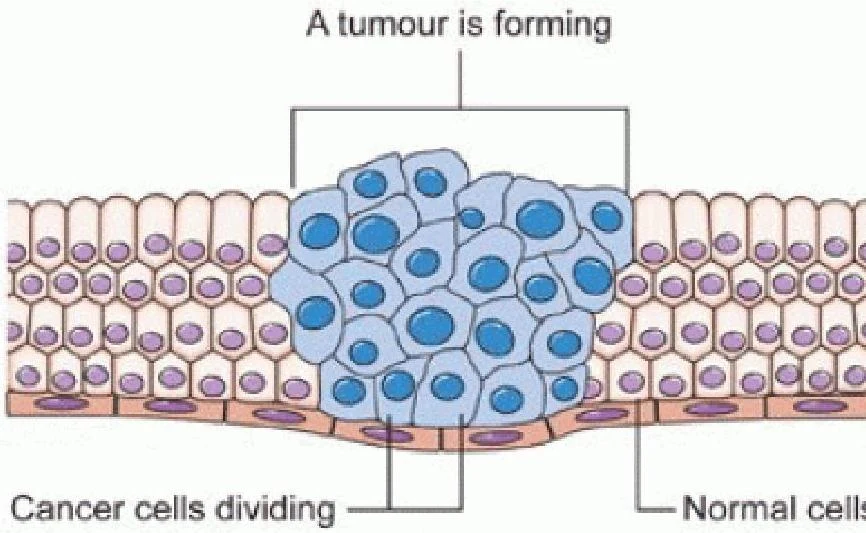
The ability of a cell to grow and divide is fundamental to life, driving everything from fetal development and tissue repair to the replacement of aging cells. This process, known as the cell cycle, ensures that genetic material is accurately duplicated and distributed to ensure that daughter cells are identical to the parent cell. However, this process is not uniform across all tissues, nor is it unregulated; precise molecular control is required to prevent the catastrophic consequences of uncontrolled division.
Tissues and Proliferation Potential
Not all cells in the human body divide at the same rate. Tissues are categorized into three main groups based on their turnover and proliferative capacity:
- Labile cells: These are continuously renewing cells. Examples include the epidermis of the skin, the intestinal epithelium, and blood-forming tissues.
- Stable cells: These cells are conditionally renewing. They typically remain in a non-dividing state but can re-enter the cell cycle in response to stimuli, such as injury. Examples include the liver, kidney, and endocrine glands.
- Permanent cells: These are static or non-proliferative cells. Once they reach maturity, they generally do not divide. Examples include cardiac muscle cells and nerve cells.
Exam Tip: Remember that cancer can only arise from cells with "proliferative potential." Therefore, permanent cells (like neurons) are generally not the origin of most tumors.
The Phases of the Cell Cycle
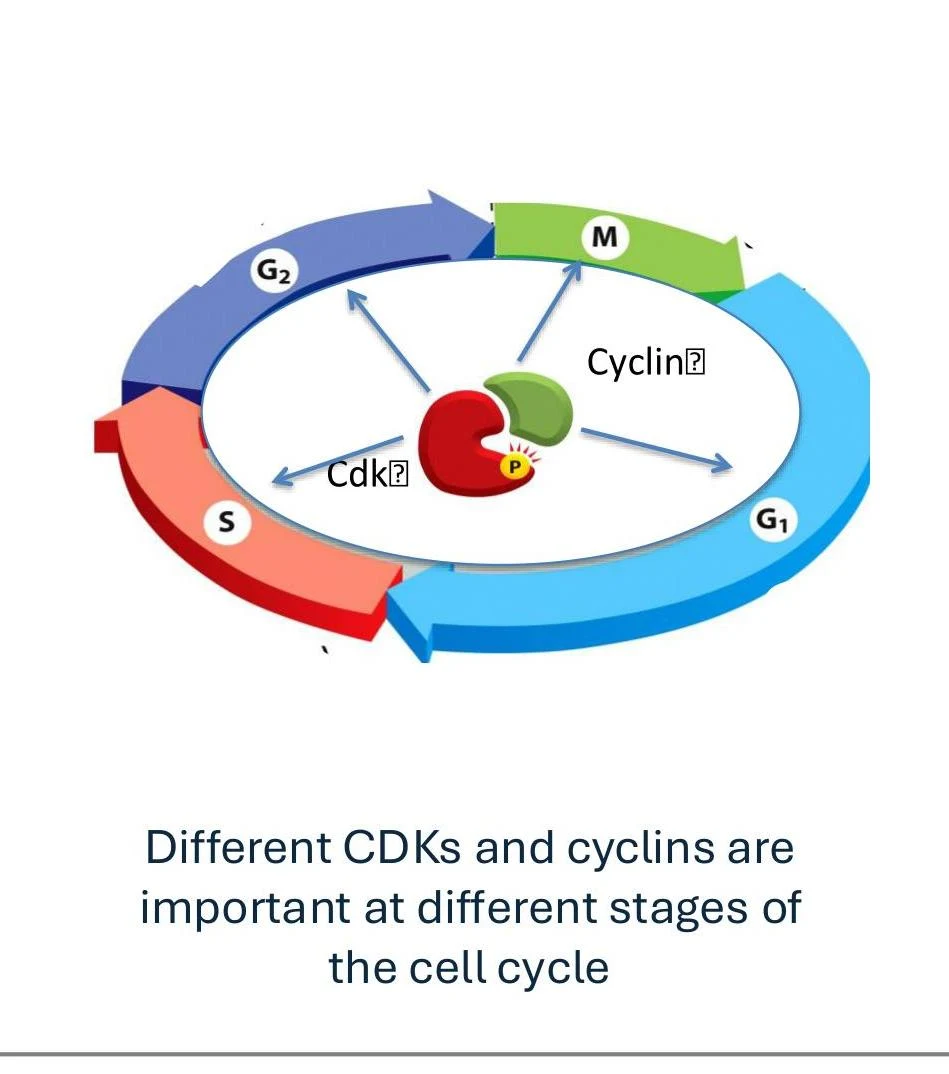
The cell cycle is divided into two primary stages: Interphase and the M Phase.
Interphase
Interphase is the period during which the cell grows and prepares for division. It is subdivided into three distinct phases:
Keep reading for free.
Create an account to finish this reading and make it part of your study routine.
Continue reading freeAlready have an account? Log in
Updated