


Carbon is often referred to as the "element of life" because of its unique ability to form stable bonds with a wide variety of other elements. This versatility allows it to serve as the fundamental building block for the complex structures that make up all living things. However, carbon does not stay in one place; it is constantly moving between the atmosphere, living organisms, the oceans, and the Earth's crust through a continuous process known as the carbon cycle.
Understanding this cycle requires looking at both the microscopic level—how carbon builds our cells—and the macroscopic level—how it moves through the planet's ecosystems and geological layers.
The Building Blocks: Carbon and Macromolecules
Before we can understand how carbon moves through the environment, we must understand why it is so important to biology. Because carbon can form four bonds, it creates the "backbone" for the four major classes of macromolecules that sustain life:
- Carbohydrates: Sugars and starches used for quick energy and structural support.
- Lipids: Fats and oils used for long-term energy storage and cell membranes.
- Proteins: Essential for building tissues, enzymes, and muscle.
- Nucleic Acids: The molecules (like DNA and RNA) that carry genetic information.
Every time you eat, you are consuming organic compounds made of carbon to build and maintain these vital structures.
Did you know? Carbon is incredibly versatile. While it is the basis of soft life, it can also form the hardest known natural material: the diamond.
Biological Processes: Capturing and Releasing Carbon
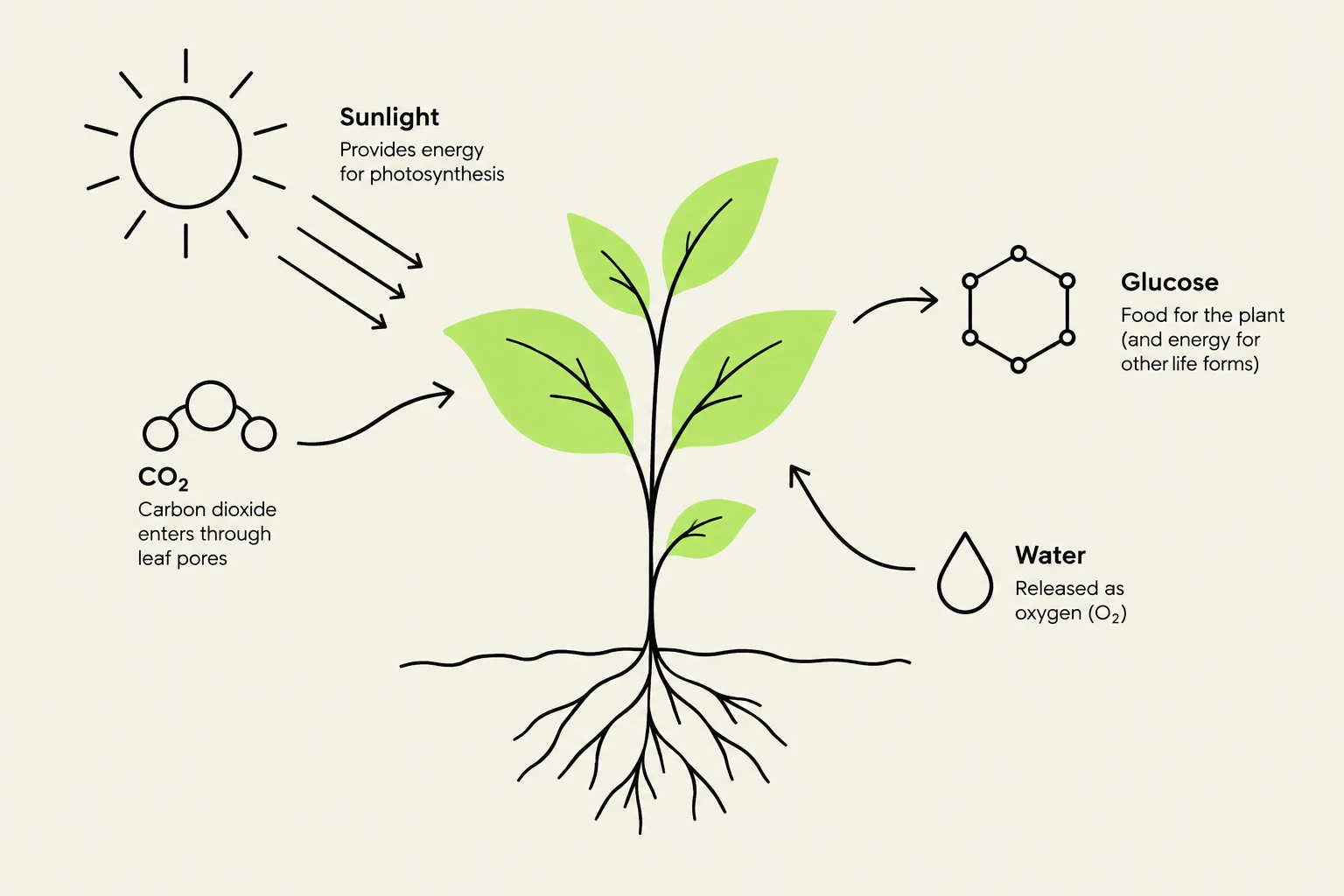
The cycle begins in the atmosphere, where carbon exists primarily as carbon dioxide (). To enter the biological world, this inorganic gas must be converted into organic matter.

Keep reading for free.
Create an account to finish this reading and make it part of your study routine.
Continue reading freeAlready have an account? Log in
Updated