


In molecular biology, the ability to introduce foreign genetic material into a host cell is a cornerstone of biotechnology. This process, known as transformation, allows scientists to turn bacteria into microscopic factories for producing proteins, insulin, or other essential biological products. However, getting a piece of DNA through a living cell is not as simple as dropping it into a solution; it is a battle against fundamental laws of physics and chemistry.
Understanding Transformation and Plasmid DNA
At its core, transformation is the process by which a bacterial cell takes up foreign genetic material from its surrounding environment. In a laboratory setting, the most common target for this process is Escherichia coli (E. coli), a model organism used extensively in research.
The "cargo" being delivered is typically plasmid DNA. Unlike the main chromosomal DNA of the bacteria, a plasmid is a small, circular, extrachromosomal DNA molecule. Because plasmids are independent of the main genome, they can be replicated and expressed separately, making them ideal tools for genetic engineering.
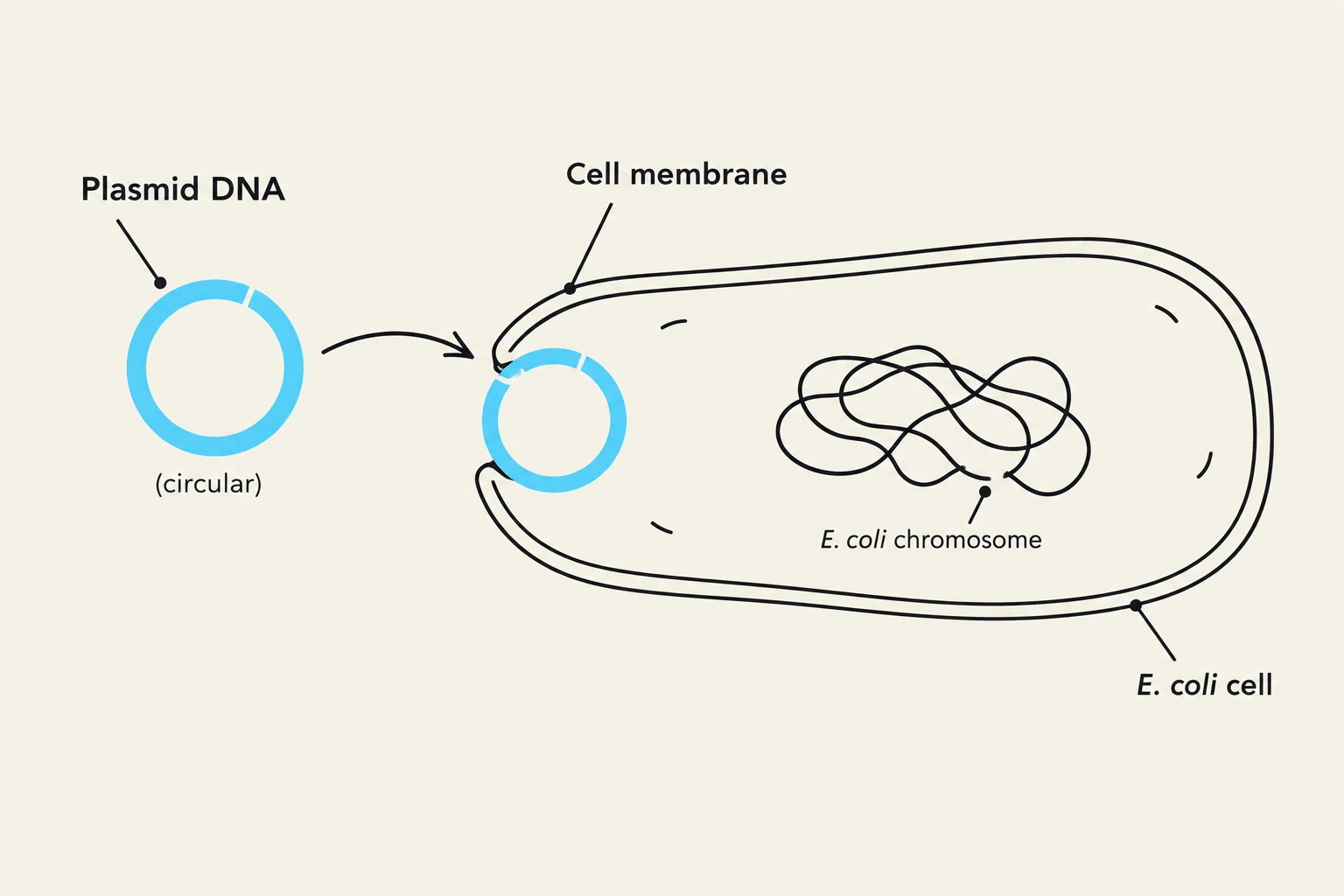
The Electrostatic Barrier: A Triple Threat of Negative Charges
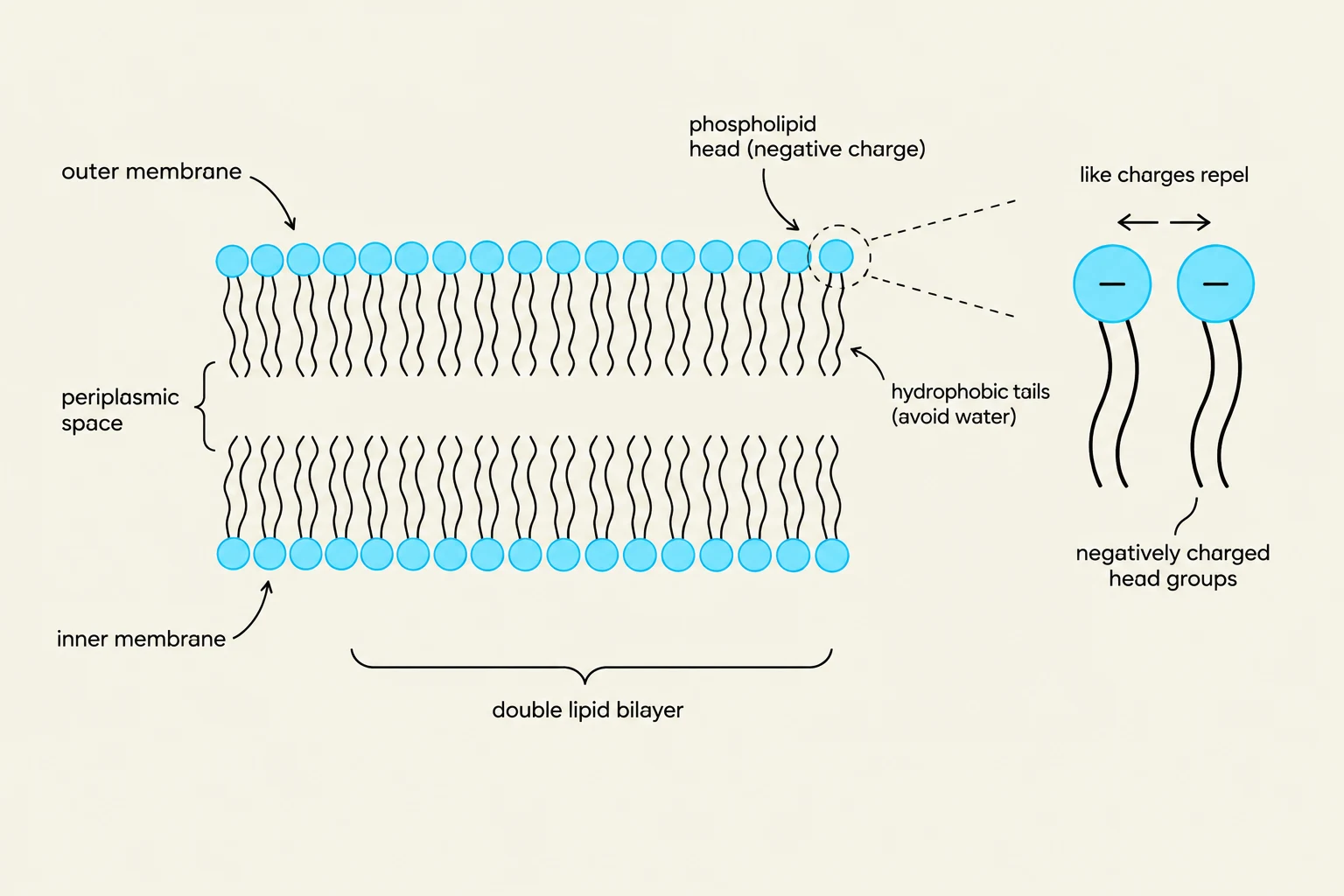
The primary challenge in transformation is a phenomenon known as negative charge repulsion. To understand why DNA struggles to enter a cell, we must look at the electrical properties of three distinct components:

Keep reading for free.
Create an account to finish this reading and make it part of your study routine.
Continue reading freeAlready have an account? Log in
Updated