


The human body is not merely a collection of independent organs working in isolation; rather, it is a highly integrated network of systems that must constantly communicate to maintain homeostasis. To achieve complex physiological tasks—such as escaping a predator, digesting a meal, or regulating body temperature—the body relies on a sophisticated interplay between two primary regulatory frameworks: the nervous system and the endocrine system. While these two systems operate on different timescales and through different mechanisms, their synergy allows for both instantaneous responses and sustained, long-term physiological shifts.

The Dual Pillars of Communication
To understand systemic synergy, we must first distinguish between the two modes of biological signaling: electrical/neurochemical signaling and chemical/hormonal signaling.
The Nervous System: The High-Speed Network
The nervous system acts as the body's "rapid response" unit. It utilizes electrical impulses (action potentials) that travel along axons to deliver messages with millisecond precision. When a neuron reaches a synapse, it releases neurotransmitters that cross a tiny gap to trigger a response in the next cell. This mechanism is ideal for tasks requiring immediate coordination, such as muscle contraction or the withdrawal of a hand from a hot surface.
The Endocrine System: The Long-Distance Broadcast
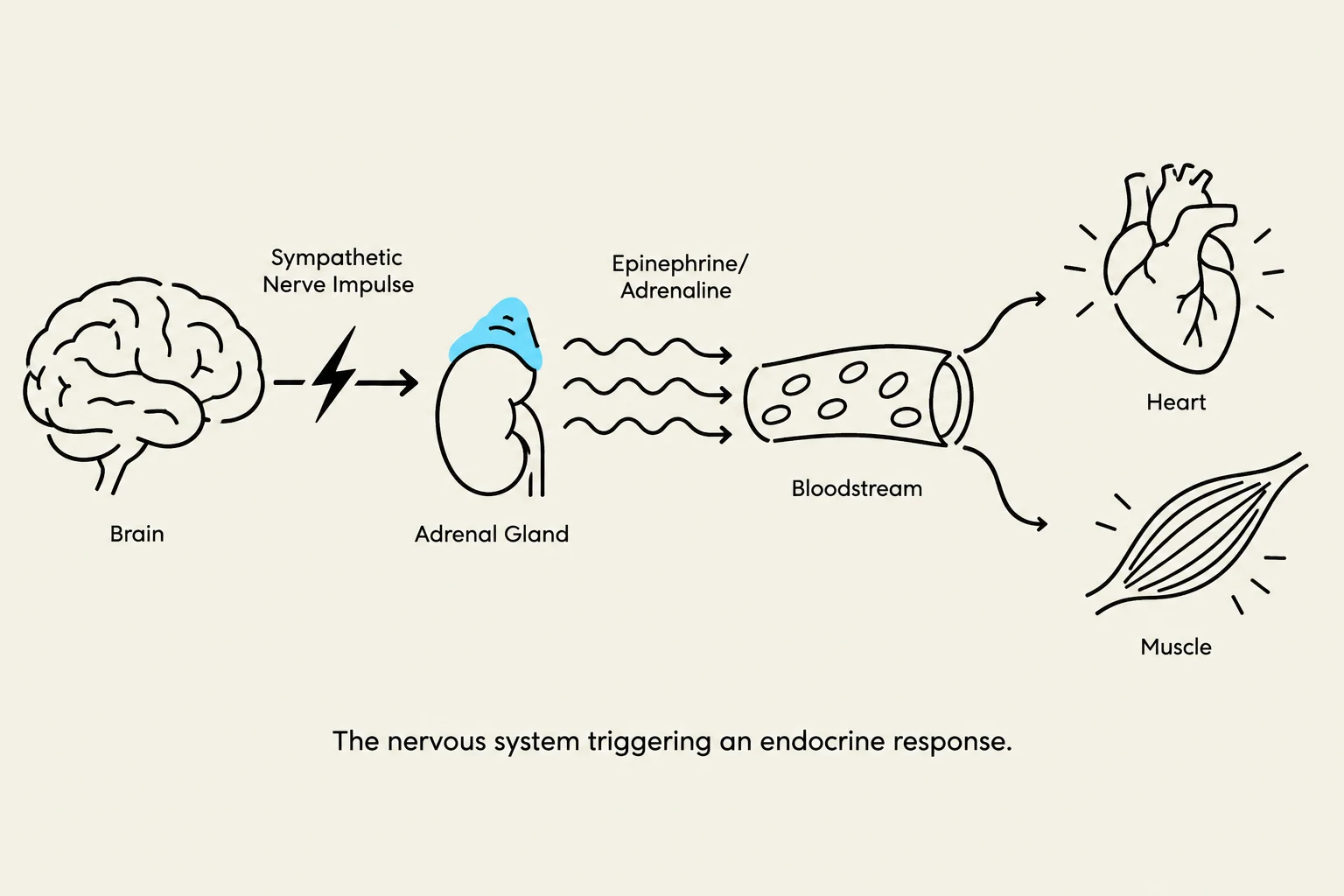
In contrast, the endocrine system functions as a "slow-release" broadcast system. Instead of using specialized wires (nerves), endocrine glands secrete chemical messengers called hormones directly into the bloodstream. These hormones travel throughout the entire body, but they only affect "target cells" that possess specific receptors for that hormone. While this process is much slower than neural transmission, the effects are often more widespread and can last for minutes, hours, or even days.
Keep reading for free.
Create an account to finish this reading and make it part of your study routine.
Continue reading freeAlready have an account? Log in
Updated