


Understanding Systemic Corticosteroids
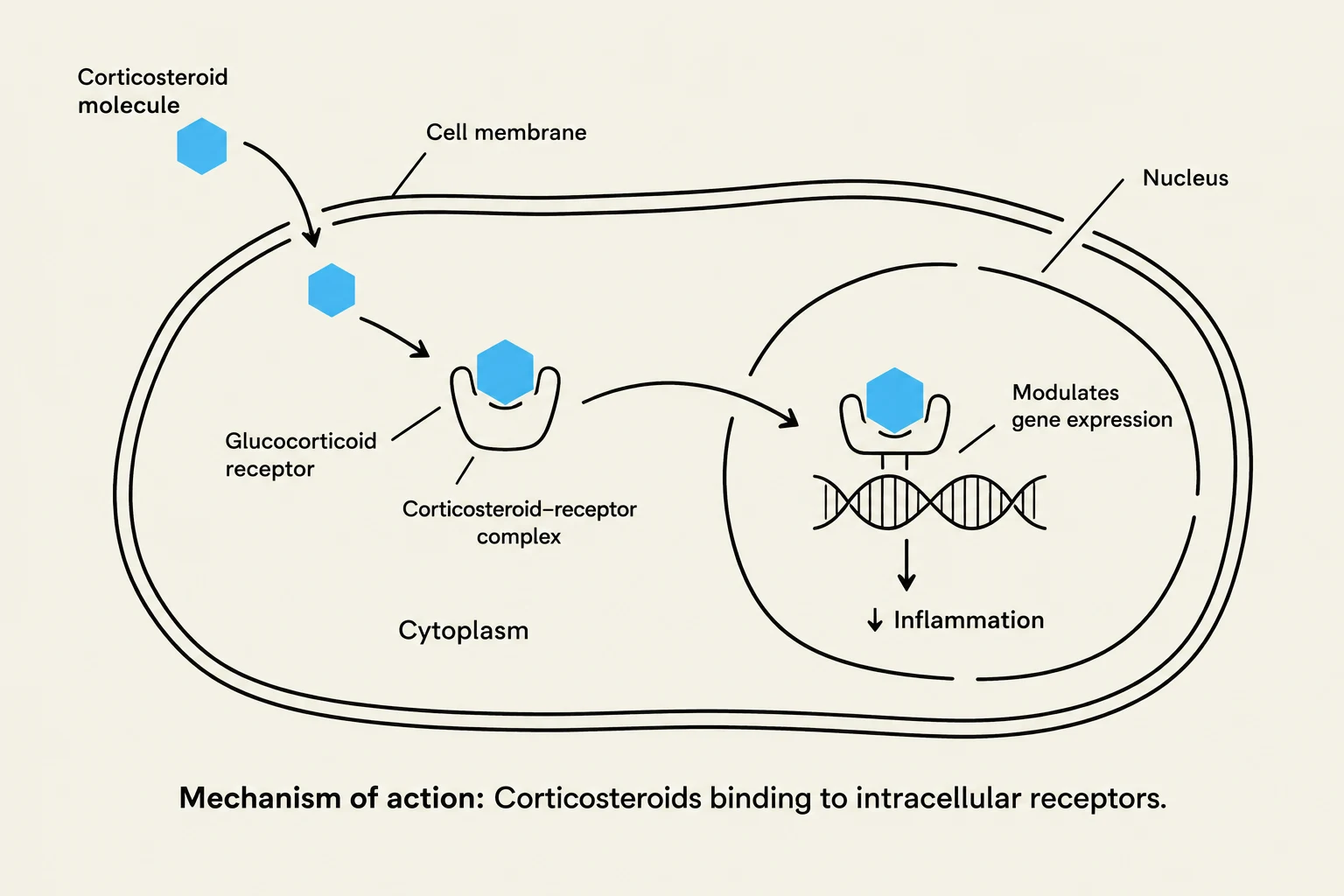
Systemic corticosteroids are a powerful class of medications used extensively in acute and chronic care settings. Functioning as both anti-inflammatory and immunosuppressant agents, these drugs are designed to mimic the effects of natural cortisol produced by the human adrenal glands. Because they affect multiple body systems—including the endocrine, immune, and gastrointestinal systems—nurses must possess a deep understanding of their mechanism, side effect profiles, and the critical importance of administration protocols.
Classification and Common Medications
Corticosteroids are classified as systemic medications when they are administered in a way that affects the entire body, rather than just a localized area (like a topical cream). They are primarily used to suppress excessive immune responses and control widespread inflammation.
Depending on the route of administration required by the patient's condition, several generic medications are commonly utilized:
- Prednisone: Typically administered orally.
- Methylprednisolone: Available in both oral and intravenous (IV) forms.
- Dexamethasone: A potent steroid available via oral, IV, or intramuscular (IM) routes.
- Hydrocortisone: Used in oral, IV, or IM formats.
Mechanism of Action and Indications
The primary goal of corticosteroid therapy is to modulate the body's response to injury, infection, or autoimmune triggers. By mimicking natural cortisol, these drugs work through a specific mechanism of action: they suppress the inflammatory response, decrease the overall immune response, and effectively reduce swelling, redness, and allergic reactions.
Because of these broad effects, corticosteroids are indicated for a wide variety of clinical scenarios, including:
- Respiratory Distress: Managing severe asthma or COPD exacerbations.
- Immune Dysregulation: Treating autoimmune disorders and severe allergic reactions.
- Endocrine Support: Managing adrenal insufficiency.
- Oncology: Used in the treatment of certain cancers.

Keep reading for free.
Create an account to finish this reading and make it part of your study routine.
Continue reading freeAlready have an account? Log in
Updated