


We are never truly alone. Every human being is a walking ecosystem, hosting trillions of microorganisms that live in close association with our cells. These interactions are not merely accidental; they are deeply integrated into our biology through various forms of symbiosis. Understanding how these microbes interact with us—and when those interactions shift from helpful to harmful—is fundamental to the study of microbiology and infectious disease.
Understanding Symbiosis
The term symbiosis literally means "to live together". It describes the relationship between two different organisms living in close proximity. These relationships are categorized based on how the interaction affects each participant:
- Mutualism: A relationship where both organisms benefit. A classic example is the bacteria residing in the human colon, which help with digestion and vitamin production while receiving nutrients and a stable environment from the host. Another example is the mutualism seen in termites and their gut microbiota, where the microbes break down wood for the termite.
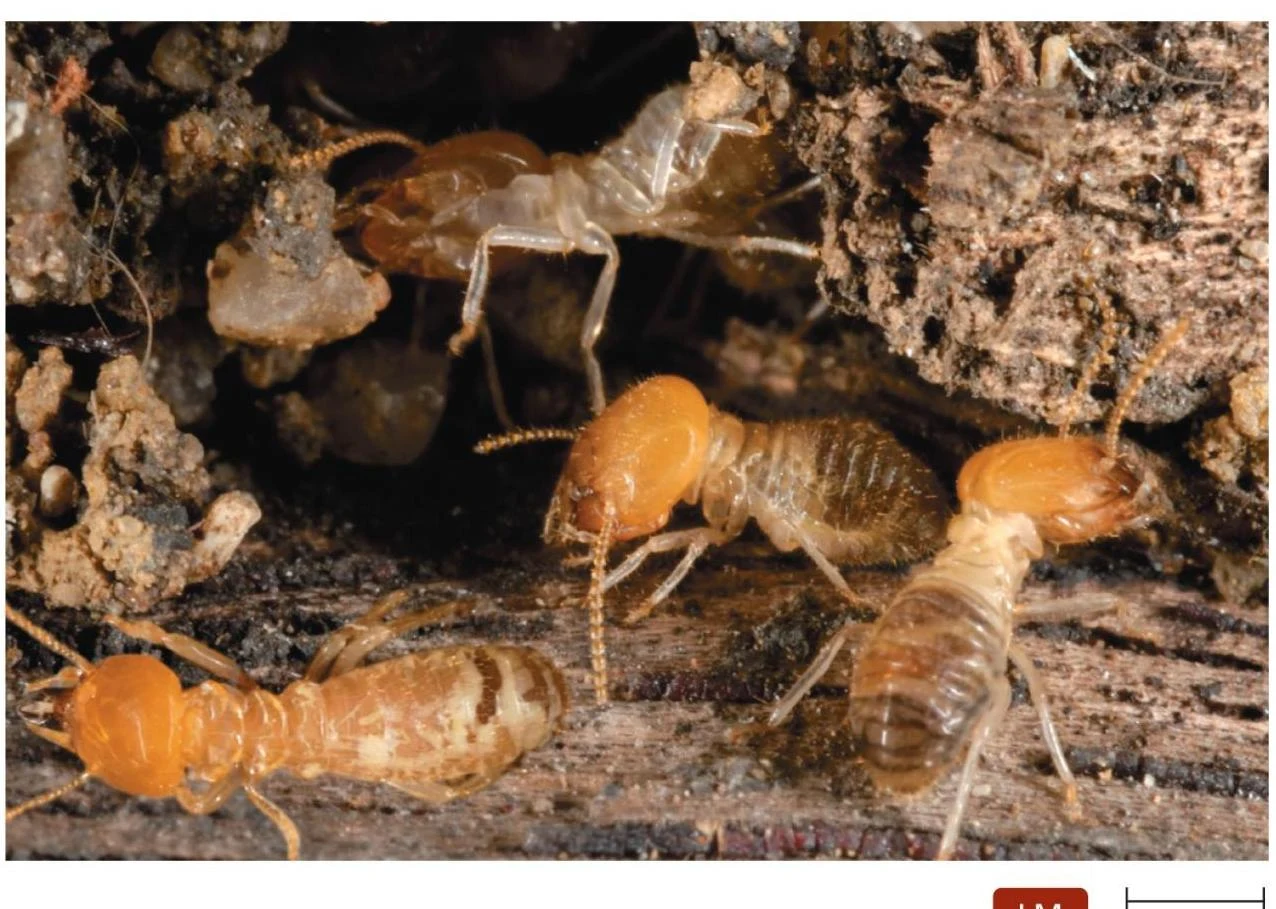
A close-up view of termites in their natural habitat, showcasing their segmented bodies and antennae. - Commensalism: A relationship where one organism benefits, while the other is neither helped nor harmed. An example includes mites living in human hair follicles.
- Amensalism: A relationship where one organism is harmed, while the other remains unaffected. This can occur when a fungus secretes an antibiotic that inhibits the growth of nearby bacteria.
- Parasitism: A relationship where one organism (the parasite) benefits at the expense of the host, which is harmed. Mycobacterium tuberculosis in the human lung is a primary example of a parasitic relationship.
Keep reading for free.
Create an account to finish this reading and make it part of your study routine.
Continue reading freeAlready have an account? Log in
Updated