


The complexity of life is built upon a hierarchical organization, starting from tiny molecular building blocks and scaling up to the intricate machinery of the cell. To understand how organisms function, we must first examine the chemical "bricks" that build them—the macromolecules—and then explore how these molecules are organized into the living units known as cells.
The Building Blocks: Macromolecules
All biological systems are constructed from four major classes of macromolecules: carbohydrates, lipids, proteins, and nucleic acids. These large molecules, known as polymers, are constructed from smaller, repeating subunits called monomers.
Polymerization and Breakdown
The assembly and disassembly of these molecules are governed by two fundamental chemical processes:
- Dehydration Reactions: To link monomers together, a molecule of water is removed, creating a covalent bond between the subunits.
- Hydrolysis: To break a polymer back down into its monomers, a molecule of water is added to sever the chemical bonds.
1. Carbohydrates
Carbohydrates serve as primary energy sources and structural components. They are classified by their complexity:
- Monosaccharides: Single sugar units (e.g., glucose).
- Disaccharides: Two sugar units linked together (e.g., sucrose).
- Polysaccharides: Long chains of sugar units used for energy storage or structure (e.g., starch or cellulose).
2. Lipids
Lipids are a diverse group of hydrophobic molecules. Key types include:
- Fats: Used for long-term energy storage. Fats are categorized as saturated (containing no double bonds between carbon atoms) or unsaturated (containing one or more double bonds).
- Phospholipids: The fundamental structural component of cell membranes.
- Cholesterol: A lipid that helps regulate membrane fluidity.
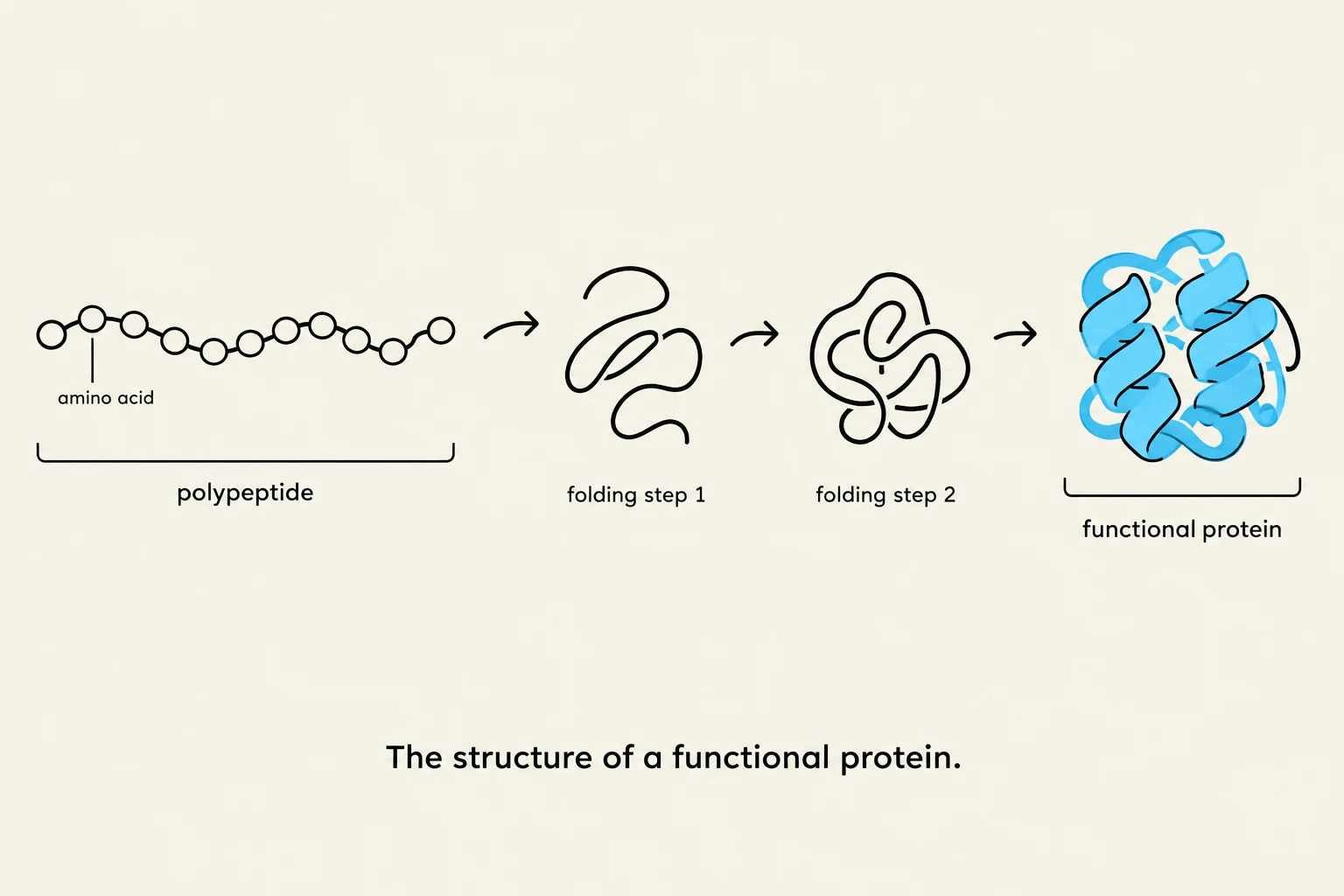
3. Proteins
Keep reading for free.
Create an account to finish this reading and make it part of your study routine.
Continue reading freeAlready have an account? Log in
Updated