


The cardiovascular system acts as a sophisticated delivery network for the body, utilizing the heart as a pump and blood vessels as transport tubes. While the heart provides the necessary pressure, the blood vessels themselves are dynamic structures that transport nutrients, gases, hormones, and waste products to and from various tissues. To understand how this system maintains homeostasis, one must examine the distinct anatomical structures of the three primary vessel types: arteries, capillaries, and veins.
The Three Primary Vessel Types
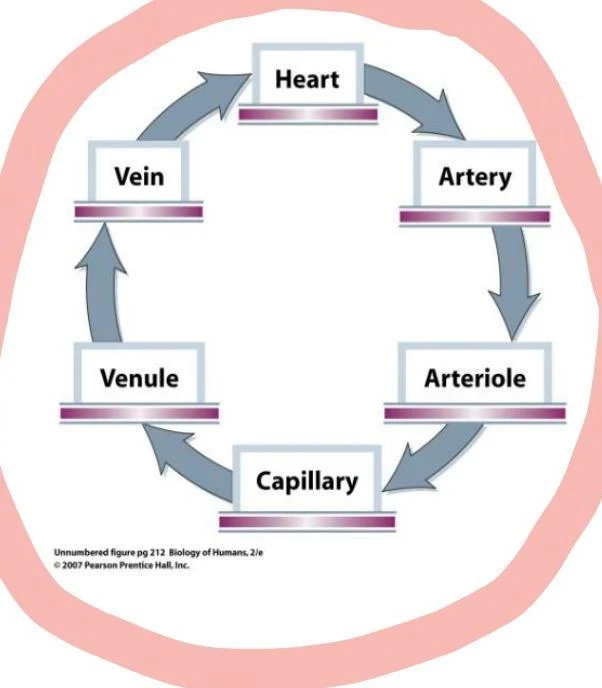
The human body contains an estimated 100,000 km of blood vessels, organized into a continuous loop that begins and ends at the heart.
Arteries
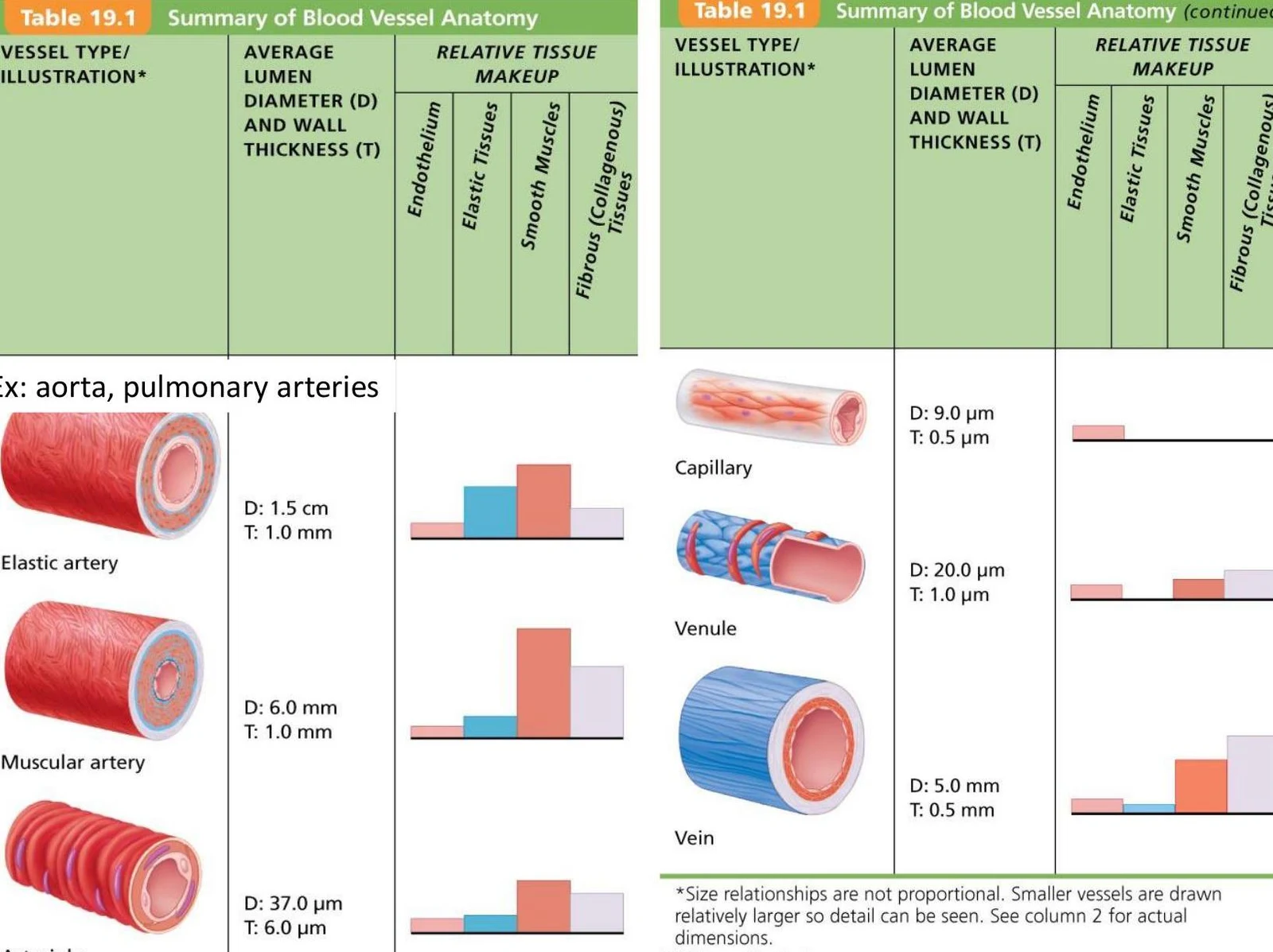
Arteries are responsible for carrying blood away from the heart. Because they must withstand the high pressure generated by ventricular contraction, they possess thicker walls containing more elastic fibers and smooth muscle compared to other vessels. While most arteries carry oxygenated blood, there are critical exceptions: the pulmonary arteries carry deoxygenated blood to the lungs, and the umbilical vessels in a fetus carry deoxygenated blood away from the fetal heart.
Capillaries
Capillaries represent the functional destination of the circulatory system. These microscopic vessels are so narrow that red blood cells must often pass through them in single file. Unlike arteries and veins, capillaries are composed only of a single layer of endothelium. This minimal thickness is essential for their primary function: diffusion. Through this thin barrier, gases (like oxygen and carbon dioxide) and nutrients are exchanged directly between the blood and the surrounding tissue cells.
Veins
Veins are the vessels that carry blood toward the heart. Because blood in the venous system is under much lower pressure than in the arterial system, veins require specific adaptations to ensure efficient return. They contain valves to prevent the backflow of blood, and they often rely on the movement of skeletal muscles to help push blood back toward the heart.
Keep reading for free.
Create an account to finish this reading and make it part of your study routine.
Continue reading freeAlready have an account? Log in
Updated