


When we study language, we often focus on individual sounds—the consonants and vowels that build words. However, spoken language is much more than a sequence of isolated sounds. To truly understand how humans communicate, we must look at the "music" behind the words: the patterns of emphasis, the rise and fall of pitch, and the rhythmic flow that gives speech its life. These elements are known as supra-segmental features, and they are essential for conveying meaning, emotion, and intention.
Segmental vs. Supra-segmental Features
To understand phonology, it is helpful to distinguish between two fundamental layers of speech: segmental and supra-segmental features.
Segmental features are the basic building blocks of language. They consist of individual speech sounds, specifically consonants and vowels. If you think of a sentence as a building, the segmental features are the individual bricks.
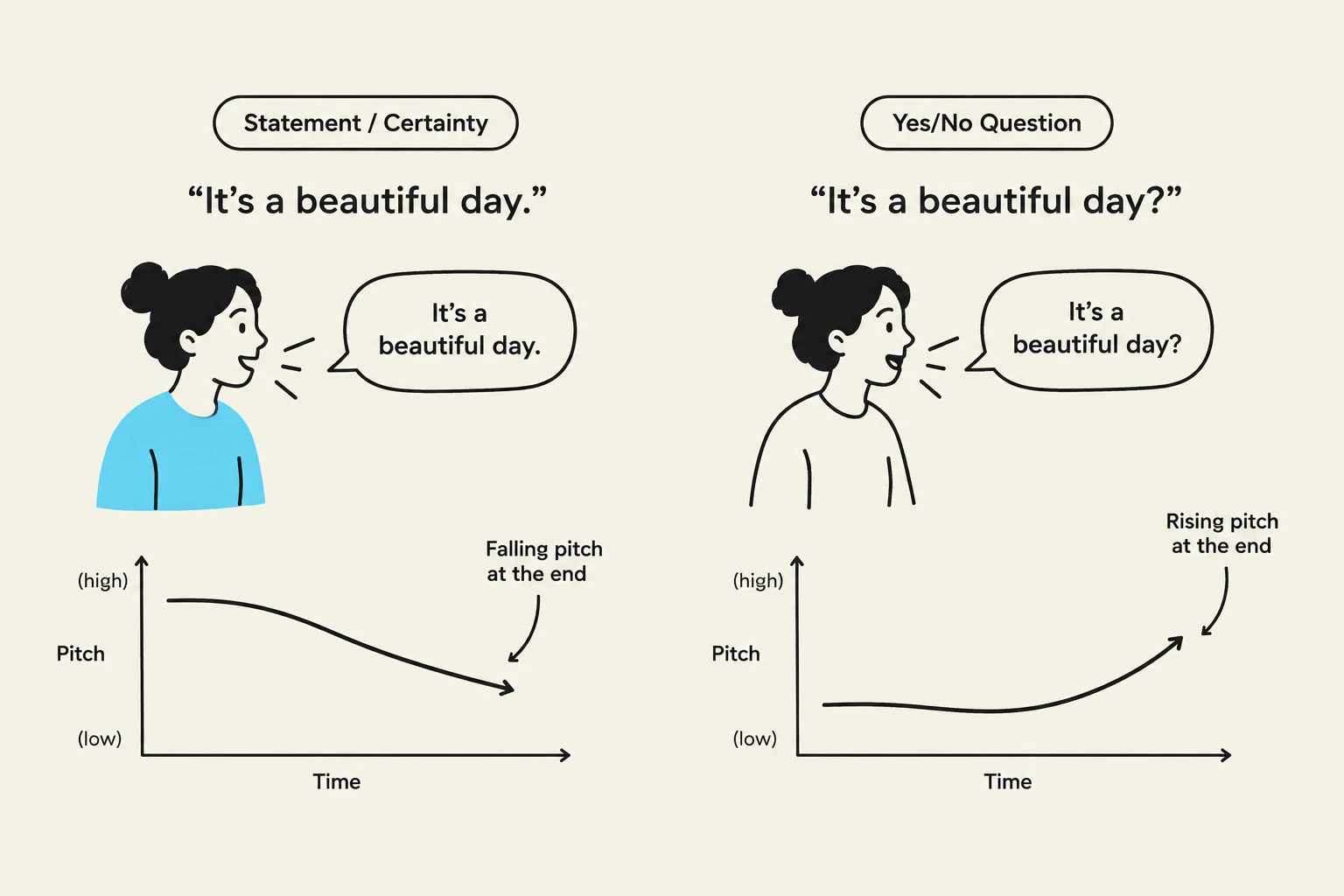
Supra-segmental features, on the other hand, operate on a higher level. They extend over larger units of speech, such as syllables, words, or entire phrases. These features include stress, intonation, rhythm, and pitch. If the segmental features are the bricks, the supra-segmental features are the architecture—the way those bricks are arranged to create a sense of flow, structure, and beauty.

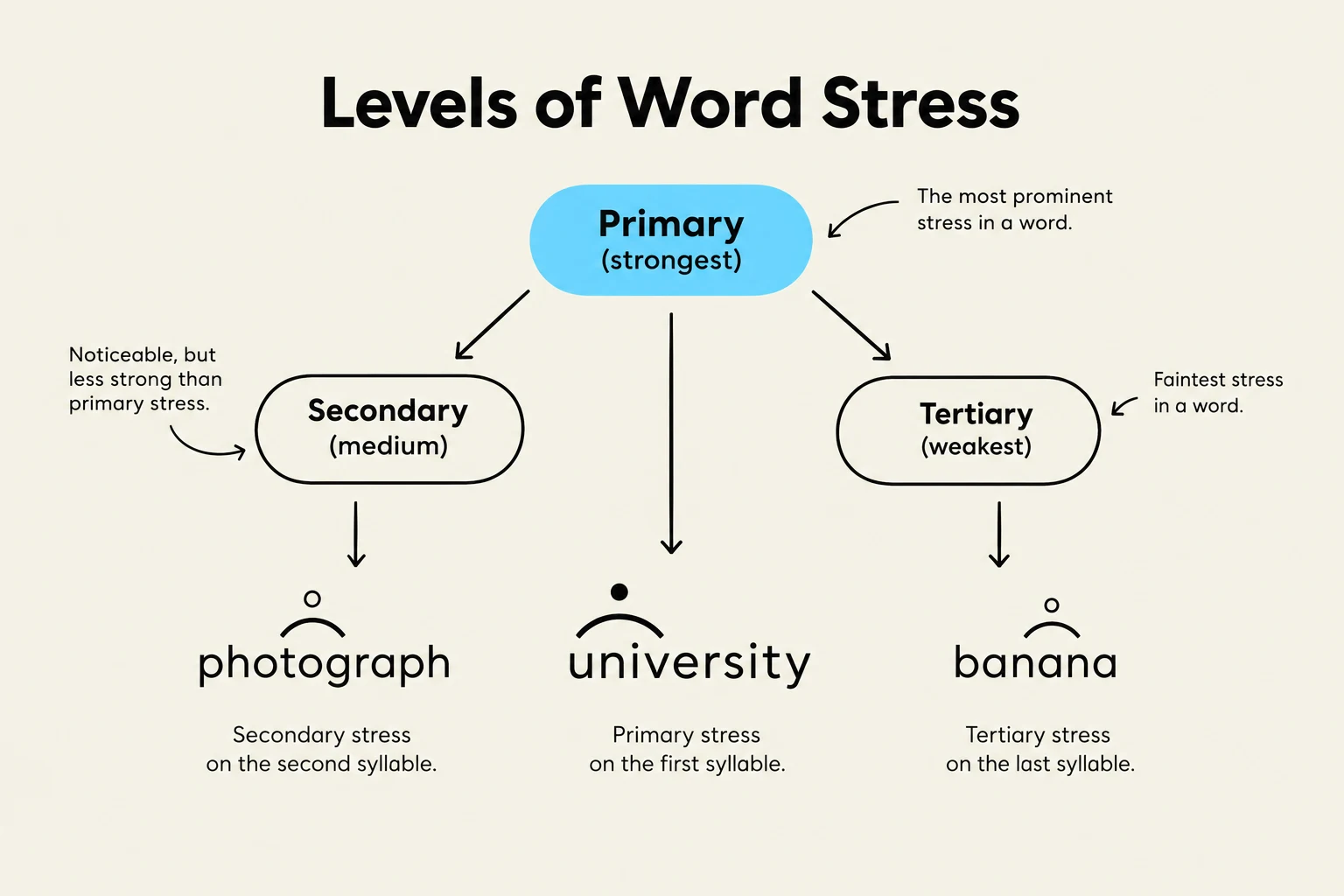
The Mechanics of Stress
Stress refers to the prominence or emphasis placed on specific parts of speech. This emphasis can occur at the syllable level within a word or at the word level within a sentence.
Keep reading for free.
Create an account to finish this reading and make it part of your study routine.
Continue reading freeAlready have an account? Log in
Updated