


Preparing for a quiz that spans two distinct chapters requires more than just memorizing definitions; it requires understanding the underlying logic that connects different scientific principles. While the specific content of Chapters 32 and 36 can vary depending on your specific curriculum (often covering topics such as thermodynamics, electromagnetism, or organic chemistry in standard textbooks), this study guide is designed to provide a structural framework for your review. Since the source material provided is currently a placeholder for the quiz structure itself, this article serves as a template and strategic guide to help you organize your study sessions effectively.
Strategic Approach to Chapter-Based Quizzes
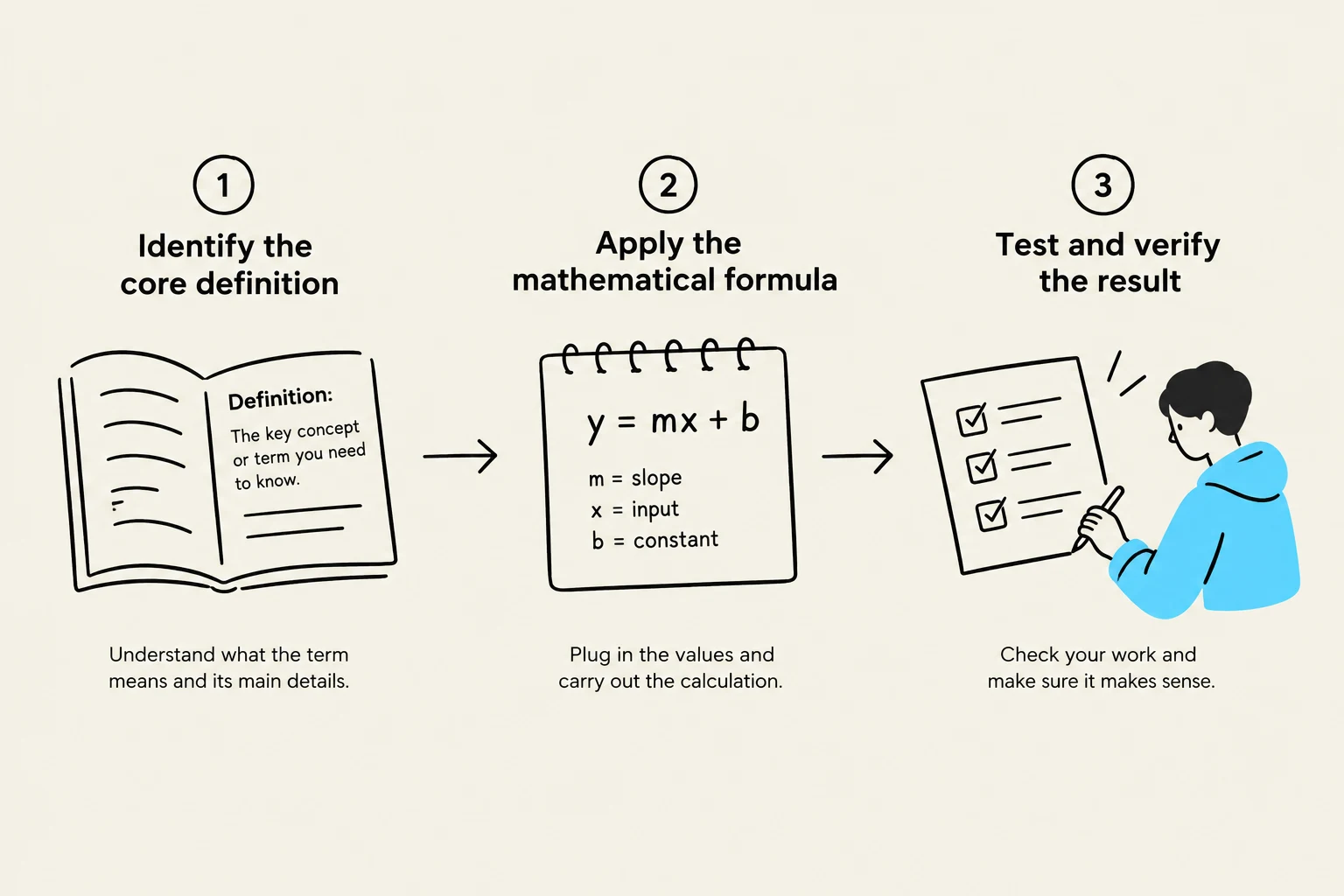
When facing a quiz that combines two different chapters, the biggest challenge is "context switching." You must be able to pivot from the logic of Chapter 32 to the logic of Chapter 36 without losing momentum. To succeed, you should categorize your study notes into three distinct buckets: Core Definitions, Mathematical Relationships, and Conceptual Applications.
Exam Tip: Don't just read your notes. For every concept you identify, ask yourself: "How would this change if I doubled the value of ?" This forces you to move from rote memorization to functional understanding.
Organizing Chapter 32: The Foundation
Chapter 32 typically serves as a foundational block. In many scientific disciplines, this chapter introduces the primary variables and the "rules of the game." When reviewing this section, focus on the primary terminology. If you cannot define the terms precisely, you will struggle to interpret the word problems presented in the quiz.
Keep reading for free.
Create an account to finish this reading and make it part of your study routine.
Continue reading freeAlready have an account? Log in
Updated