


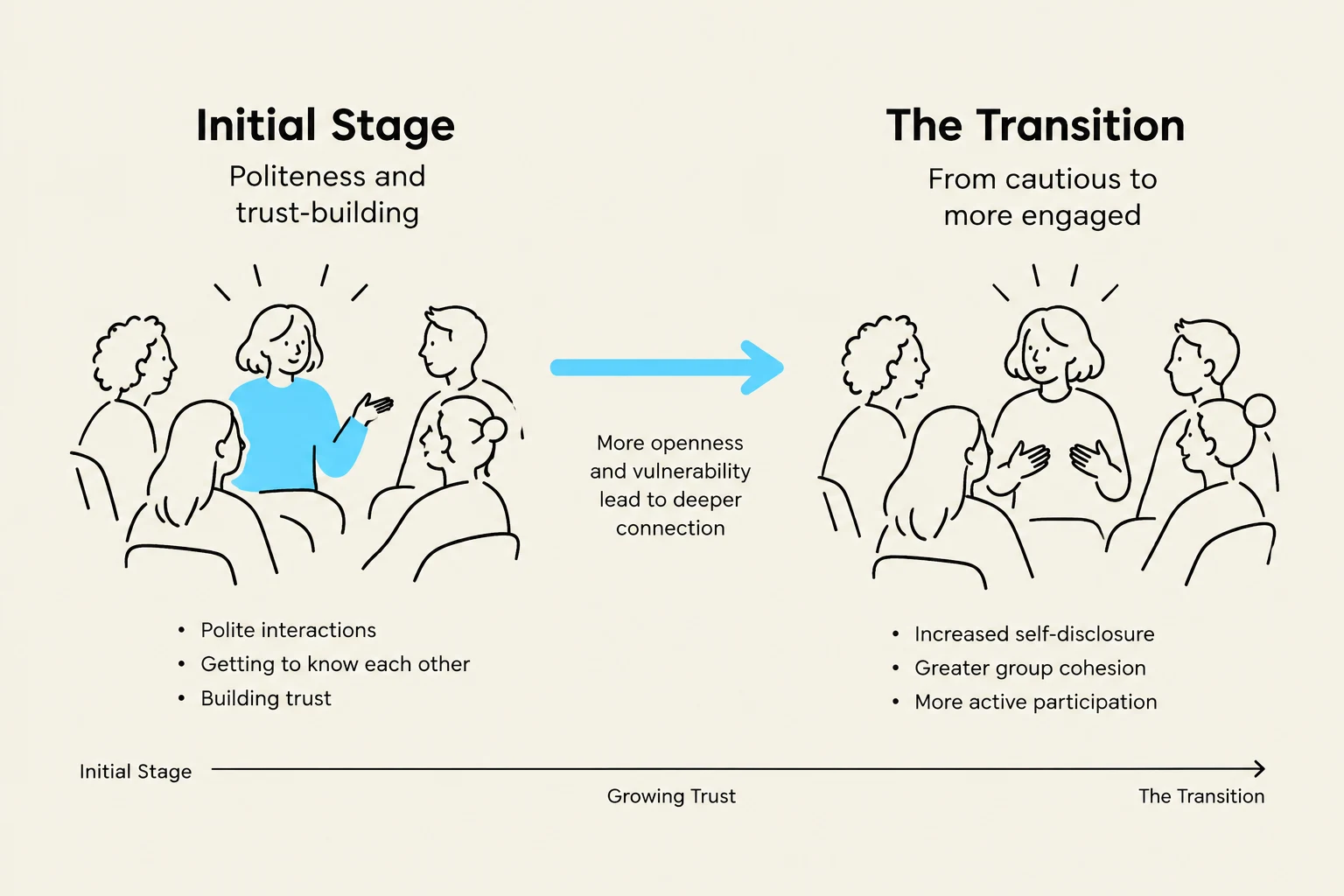
The journey of a counseling group does not begin when the members first sit in a circle; rather, it begins long before the first session. For a group to become a therapeutic force, it must move through distinct developmental phases, starting from the logistical preparation of the "pregroup" stage, moving through the orientation of the initial stage, and eventually navigating the turbulent waters of the transition stage. Understanding these stages is essential for any practitioner aiming to foster a safe, productive, and cohesive therapeutic environment.
The Formation Stage: Setting the Foundation
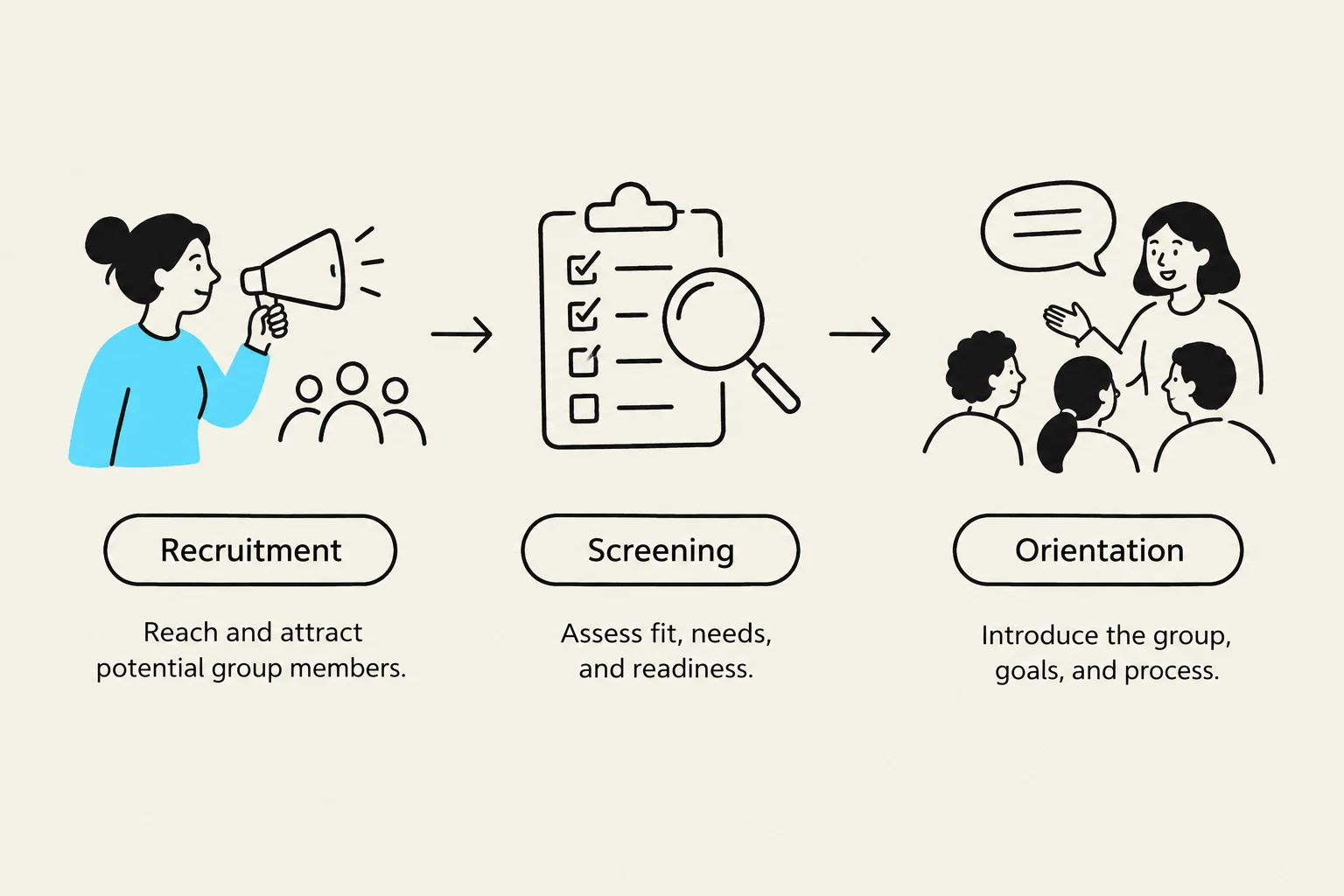
Before a group even meets, the counselor must engage in "pregroup" work. This stage is characterized by logistical planning and the establishment of the group's theoretical and practical framework. Key responsibilities during this phase include announcing the group, recruiting appropriate members, and establishing a clear rationale for why the group is being formed.
Effective formation also requires careful screening of potential members to ensure they are suitable for the group's specific goals. Furthermore, counselors must address multicultural considerations and provide guidelines to orient members to what they can expect from the group experience. A pregroup meeting can be a highly effective tool to bridge the gap between recruitment and the first official session, helping to reduce anxiety and clarify expectations.
Study Tip: When preparing for a group, remember that "practical matters" (time, location, frequency) are just as vital as "clinical matters" (member suitability and group goals).

Keep reading for free.
Create an account to finish this reading and make it part of your study routine.
Continue reading freeAlready have an account? Log in
Updated