


Speech is a complex, highly coordinated biological process that transforms abstract thoughts into meaningful acoustic signals. While we often focus on the words we say (language), the physical act of producing those sounds is known as articulation. To understand how humans communicate, we must look at the intersection of biology, physics, and linguistics through several specialized lenses: articulatory phonetics, acoustic phonetics, and speech perception.
The Framework of Speech Science
To study speech, scientists divide the discipline into several overlapping fields:
- Phonology: The study of how sounds are organized into systems to form words and linguistic units.
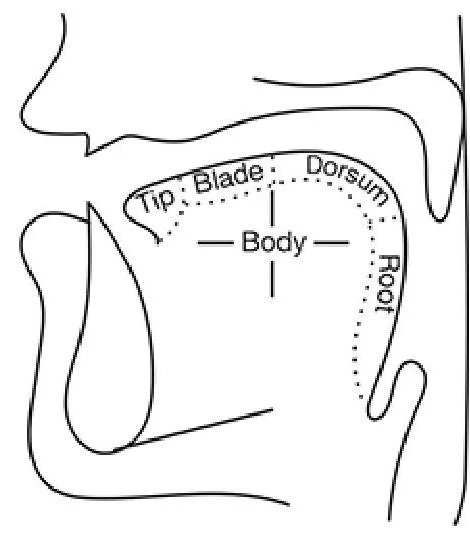
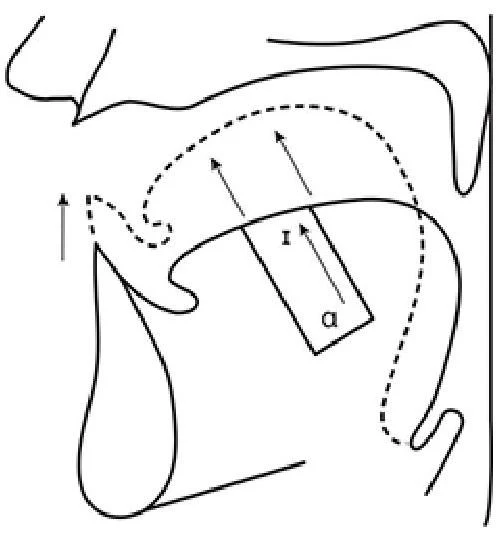
- Articulatory Phonetics: The study of how the physical structures of the body (the articulators) move to create individual sounds.
- Acoustic Phonetics: The study of the relationship between physical articulation and the resulting sound waves (the acoustic signal).
- Speech Perception: The study of how listeners interpret those acoustic signals to make phonetic and linguistic decisions.
Study Tip: Remember the distinction between a phoneme and an allophone. A phoneme is an abstract mental unit of sound that distinguishes meaning (like /p/ vs /b/), while an allophone is a physical variation of that sound that does not change the word's meaning (like a "released" /p/ vs an "unreleased" /p/).
Organs of Speech Production
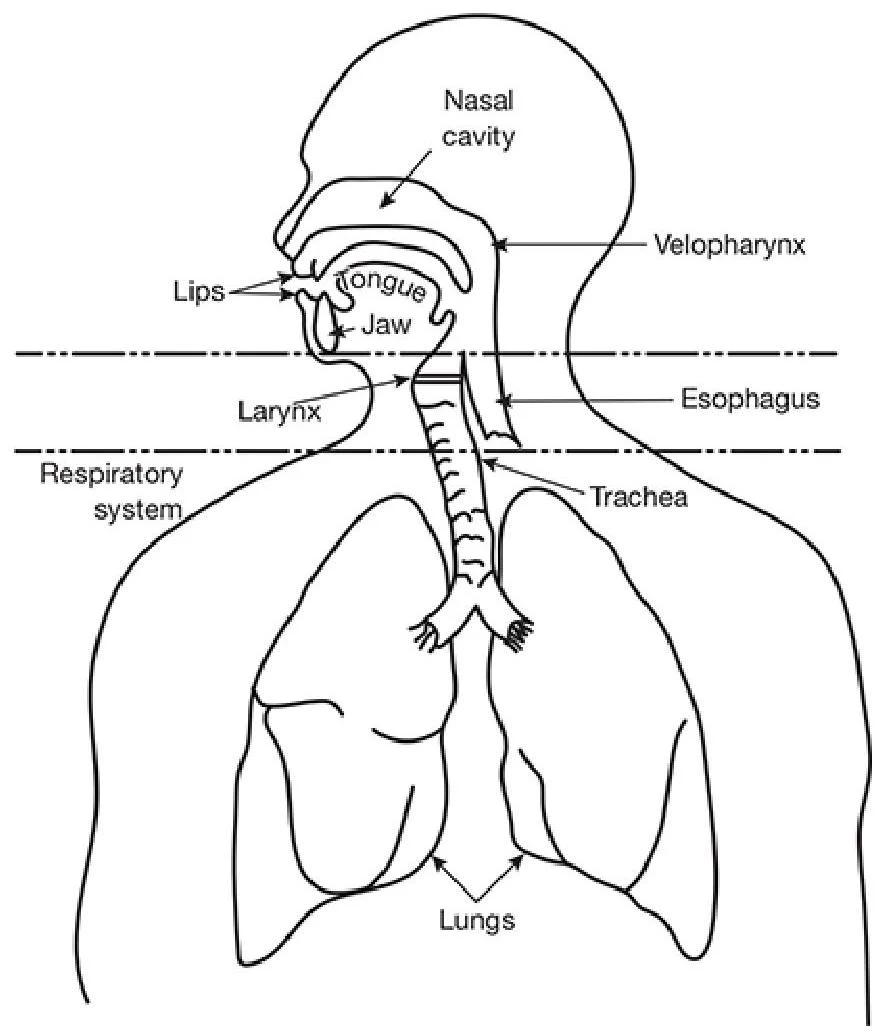
Speech production relies on several interconnected subsystems working in perfect synchrony.
The Respiratory System and Larynx
The process begins with the respiratory system (lungs, diaphragm, and airway), which provides the necessary airflow to generate sound. This air passes through the larynx, a structure composed of cartilages and muscles. The larynx acts as a regulator: by vibrating the vocal folds, it creates voiced sounds (like the "buzz" in buzz); by allowing air to pass freely, it creates voiceless sounds (like the "s" in see).


Keep reading for free.
Create an account to finish this reading and make it part of your study routine.
Continue reading freeAlready have an account? Log in
Updated