


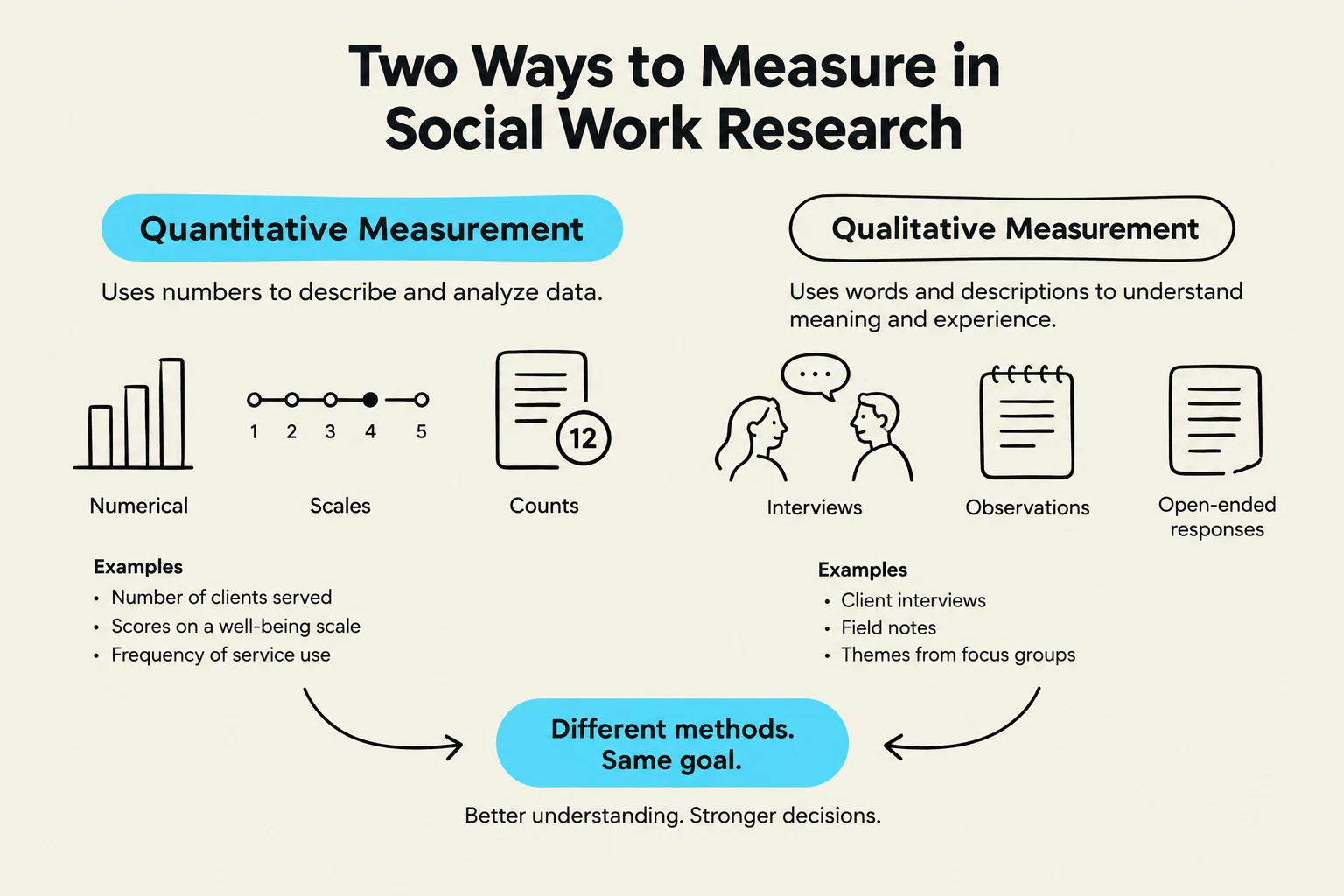
In the field of social work, research is not merely an academic exercise; it is a vital tool used to improve client outcomes, justify funding, and refine clinical practices. Whether a practitioner is trying to understand the prevalence of bullying in a school or testing the effectiveness of a new therapy, they must first identify the purpose of their inquiry and the method of measurement they will use. Understanding these distinctions allows social workers to move from anecdotal observations to evidence-based practice.
The Four Primary Purposes of Research
Research is generally categorized by what the researcher intends to achieve. Depending on the question being asked, a study will fall into one of four categories: descriptive, exploratory, explanatory, or evaluative.
Descriptive Research
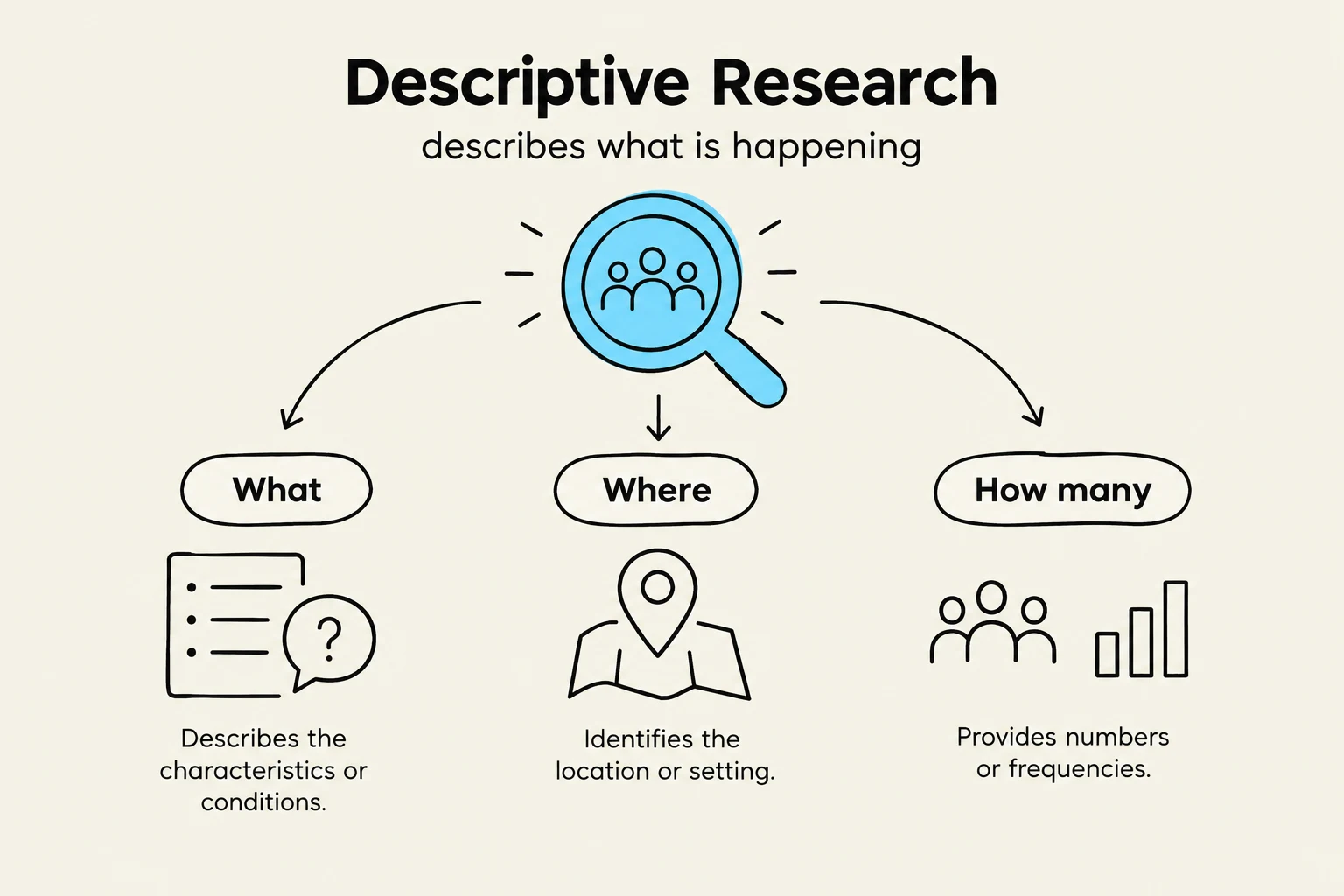
Descriptive research aims to paint a clear picture of a phenomenon. It answers questions like "who," "what," "where," and "how many." It does not attempt to explain why something is happening, but rather focuses on documenting the current state of affairs.
For example, if a school social worker records how many students report bullying incidents each month and identifies the specific locations where these incidents occur, they are conducting descriptive research.
Exploratory Research
When a topic is new or little is known about it, social workers use exploratory research. The goal here is to gain familiarity with a phenomenon or to formulate more precise research questions for future study.
A common scenario involves qualitative interviews. For instance, a social worker might interview recently arrived refugees to understand their unique experiences accessing mental health services. This helps the practitioner explore nuances that were not previously documented.

Keep reading for free.
Create an account to finish this reading and make it part of your study routine.
Continue reading freeAlready have an account? Log in
Updated