


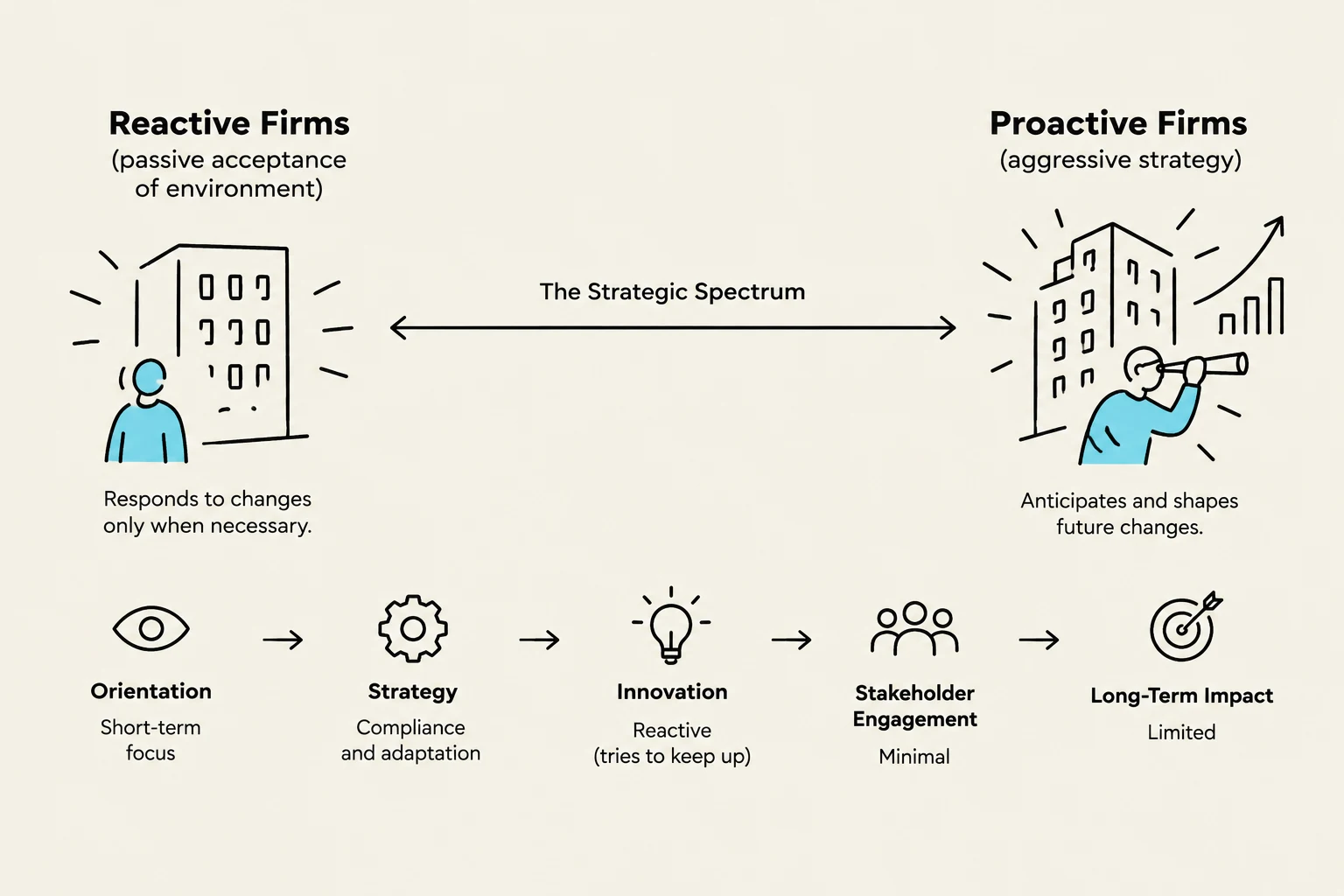
In the complex landscape of modern marketing, companies do not operate in a vacuum. They are part of a vast macroenvironment consisting of demographic, economic, natural, and technological forces. Among these, the political, social, and cultural environments play a decisive role in shaping how consumers perceive brands and how businesses are expected to behave. To succeed, organizations must decide how to navigate these societal expectations—whether by simply following the rules or by actively attempting to shape the world around them.
Understanding Socially Responsible Behavior
Socially responsible behavior occurs when companies actively seek ways to protect the long-run interests of both consumers and the environment. Rather than focusing solely on short-term profits, socially responsible firms develop policies and guidelines to address complex social issues. This approach recognizes that a company's success is deeply intertwined with the health and stability of the society in which it operates.
One way companies manifest this responsibility is through brand activism, where a brand takes a stand on social or political issues. This goes beyond traditional advertising; it involves integrating social values into the very identity of the brand.
Study Tip: When analyzing a company, look for the difference between a company that merely "follows the law" and one that "seeks to protect long-run interests." The latter is practicing social responsibility.
Corporate Giving and Cause-Related Marketing
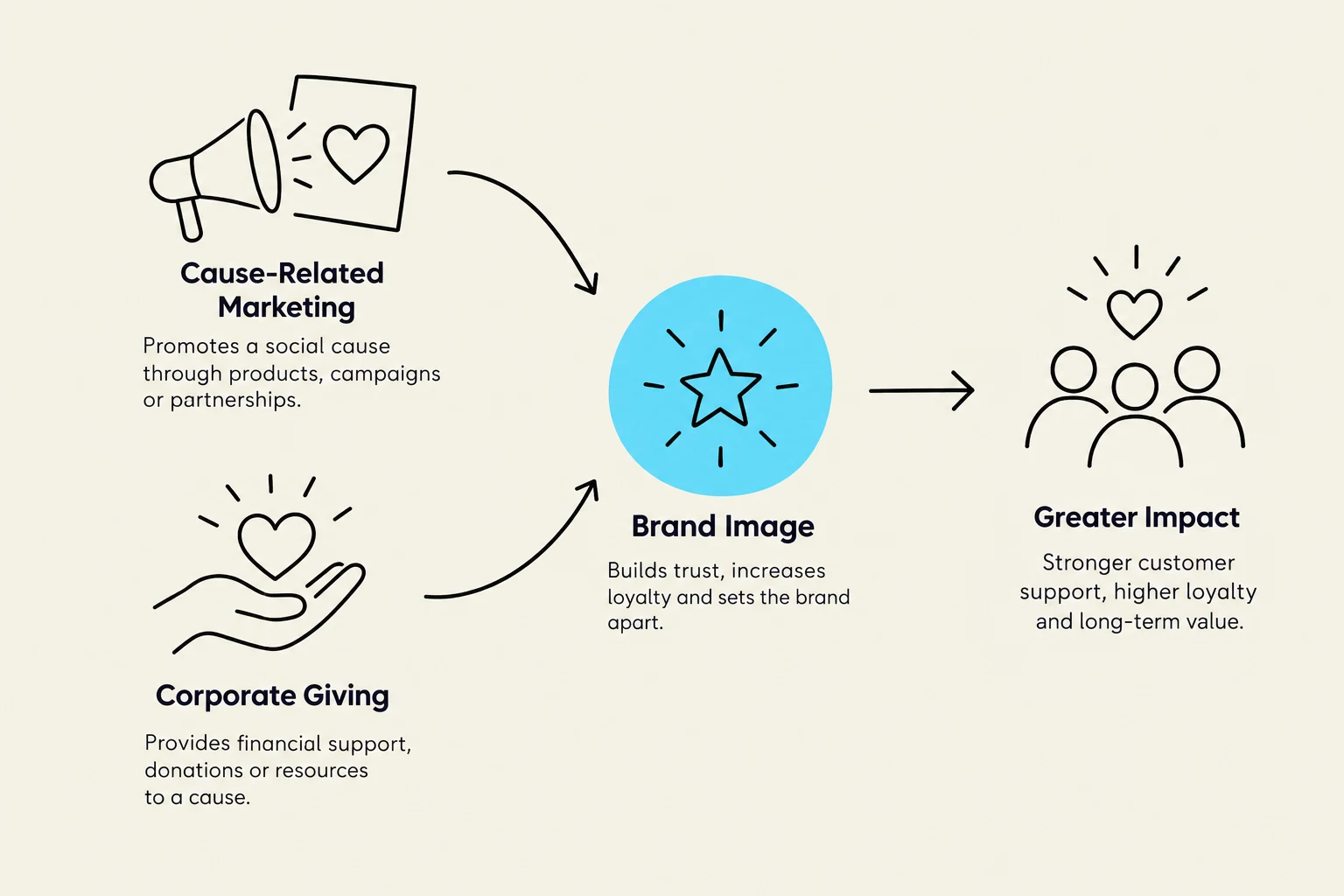
A common and practical method for exercising social responsibility is cause-related marketing, which serves as a primary form of corporate giving. Through this strategy, companies link their marketing efforts to a specific social cause to build a more positive brand image.
Keep reading for free.
Create an account to finish this reading and make it part of your study routine.
Continue reading freeAlready have an account? Log in
Updated