


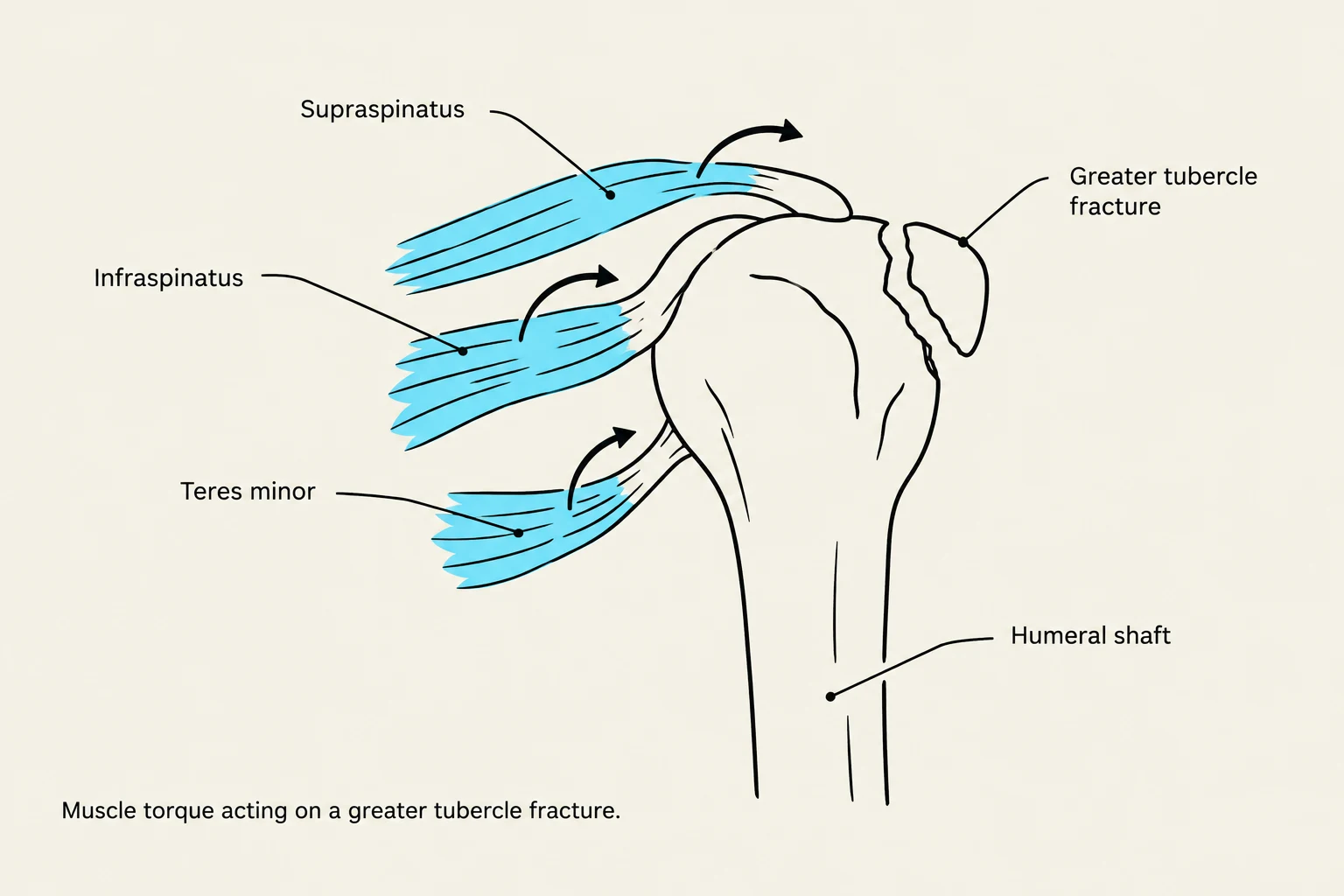
Understanding the mechanics of the shoulder complex requires a deep dive into how muscles interact with both the scapula and the humerus. The shoulder is not a single joint but a complex of several articulations, including the sternoclavicular (SC), acromioclavicular (AC), and glenohumeral (GH) joints. Because the scapula is a mobile bone that rests against the thoracic wall, its position is constantly being adjusted by various muscle groups to facilitate arm movement. This article examines the muscular drivers of scapular motion and explores how these same muscles can impact the stability of a humeral fracture.

The Mechanics of Scapular Rotation
Scapular movement is essential for maintaining the integrity of the glenohumeral joint during arm elevation. Two primary types of rotation occur: upward rotation and downward rotation.
Upward Rotation of the Scapula
Upward rotation is necessary for full shoulder abduction; in fact, the scapula must rotate upwards approximately to allow for complete movement. Interestingly, this movement can be achieved through the synergistic action of muscles with very different fiber directions.
The upper trapezius and lower trapezius both contribute to upward rotation, but they do so from different anatomical perspectives:
- The upper trapezius originates superiorly and attaches to the lateral portion of the scapular spine.
- The lower trapezius originates inferiorly and attaches to the medial portion of the scapular spine.
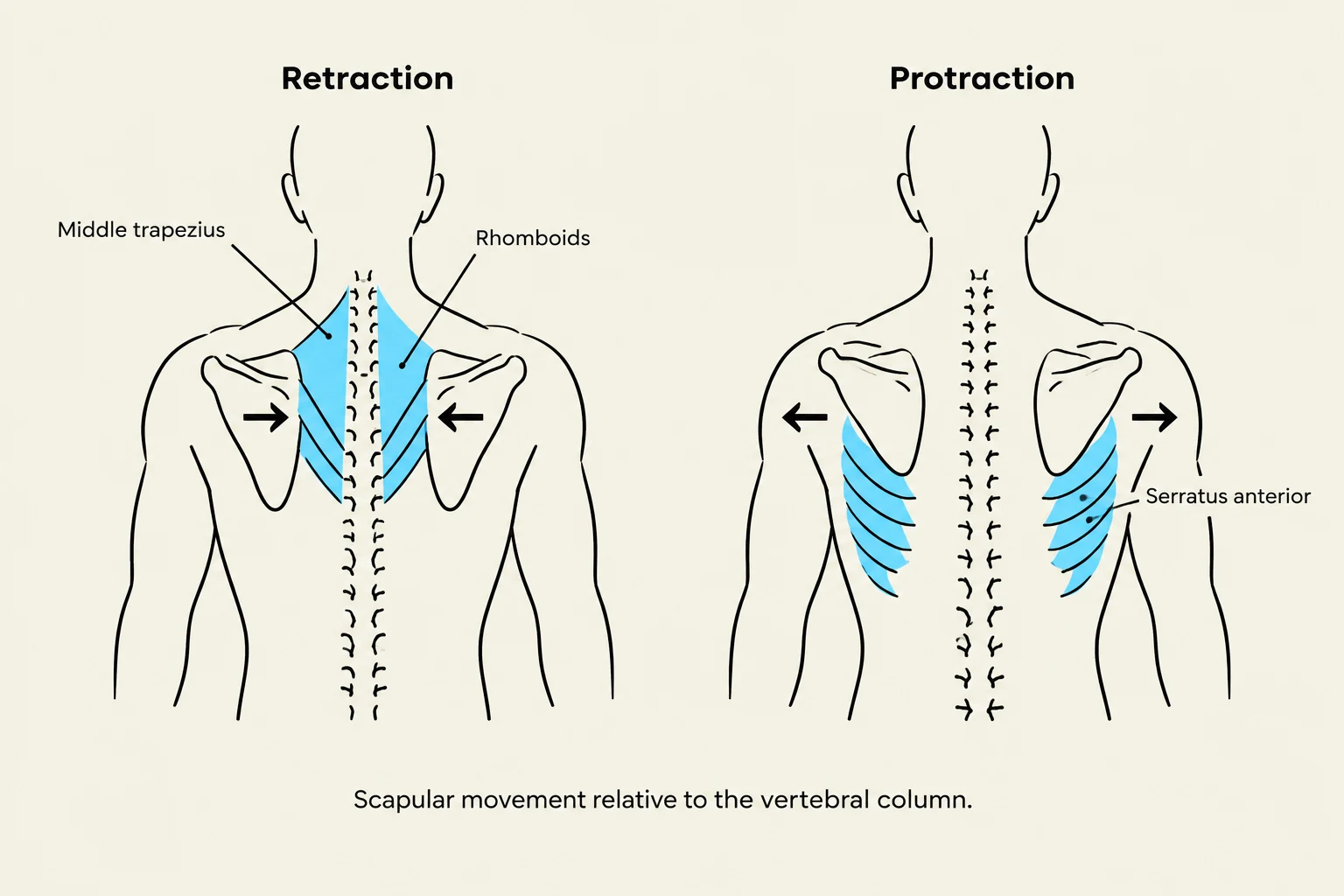
While their paths are distinct, their combined contraction pulls the scapula into the necessary upwardly rotated position. The serratus anterior acts as a prime mover for upward rotation and protraction, while also helping to hold the scapula against the thoracic wall.
Keep reading for free.
Create an account to finish this reading and make it part of your study routine.
Continue reading freeAlready have an account? Log in
Updated