


To understand how we see the world, we must first distinguish between two fundamental processes: sensation and perception. Sensation is the physical process of our sensory organs detecting stimuli from the environment, such as light hitting the retina. Perception, however, is the psychological process where the brain interprets those signals to create a meaningful experience. Colour is a prime example of this distinction; it is not a physical property of the world itself, but rather a psychological property constructed by the brain.
The Physics of Light and Wavelengths
The process begins with light. Objects differ in their ability to absorb or reflect light, and they reflect different wavelengths to our eyes.
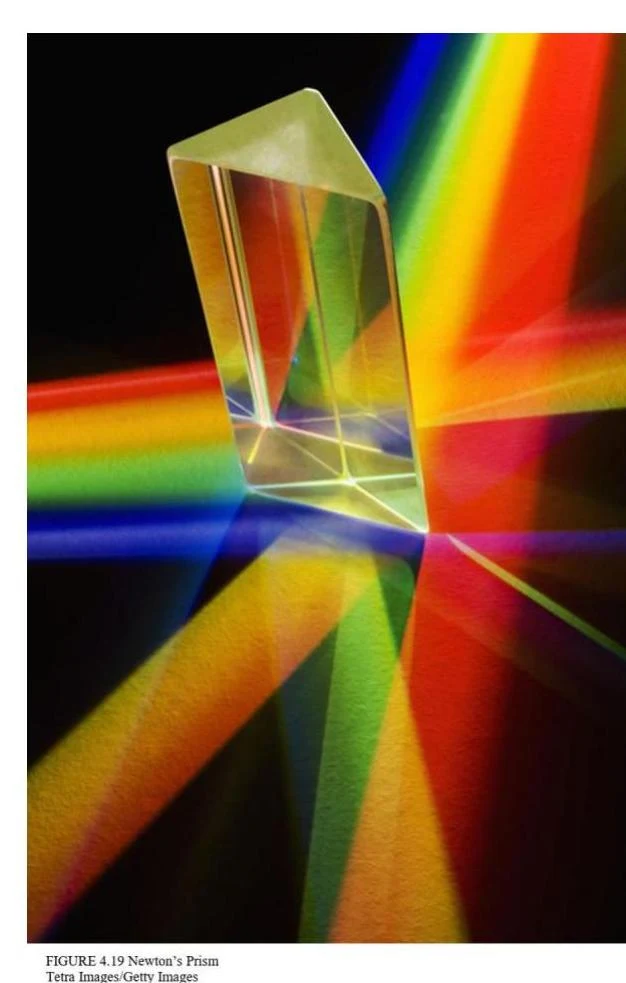
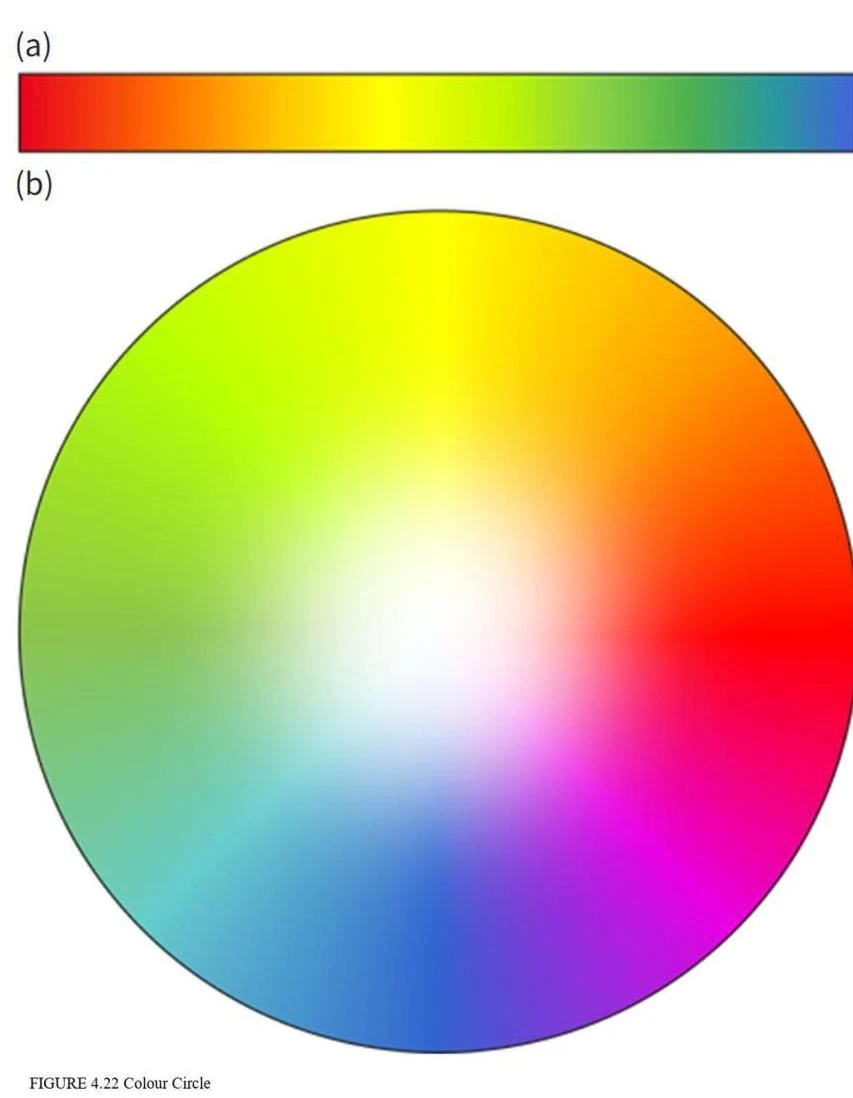
When white light passes through a prism, it refracts into a spectrum of colors. These different colors correspond to different wavelengths of light. Our visual system is specialized to detect these specific variations to build a colorful image of our surroundings.
The Biological Pathway: From Photoreceptors to the Brain
The journey from a light wave to a perceived color involves a complex chain of biological events.
1. Rods and Cones
The retina contains two main types of photoreceptors: rods and cones.
- Rods are highly sensitive to light and allow us to see in dim conditions, but they do not contribute to color vision.
- Cones are responsible for color vision and detail, but they require more light to function.
Each cone contains specific photopigments that are sensitive to different parts of the spectrum.

Keep reading for free.
Create an account to finish this reading and make it part of your study routine.
Continue reading freeAlready have an account? Log in
Updated