


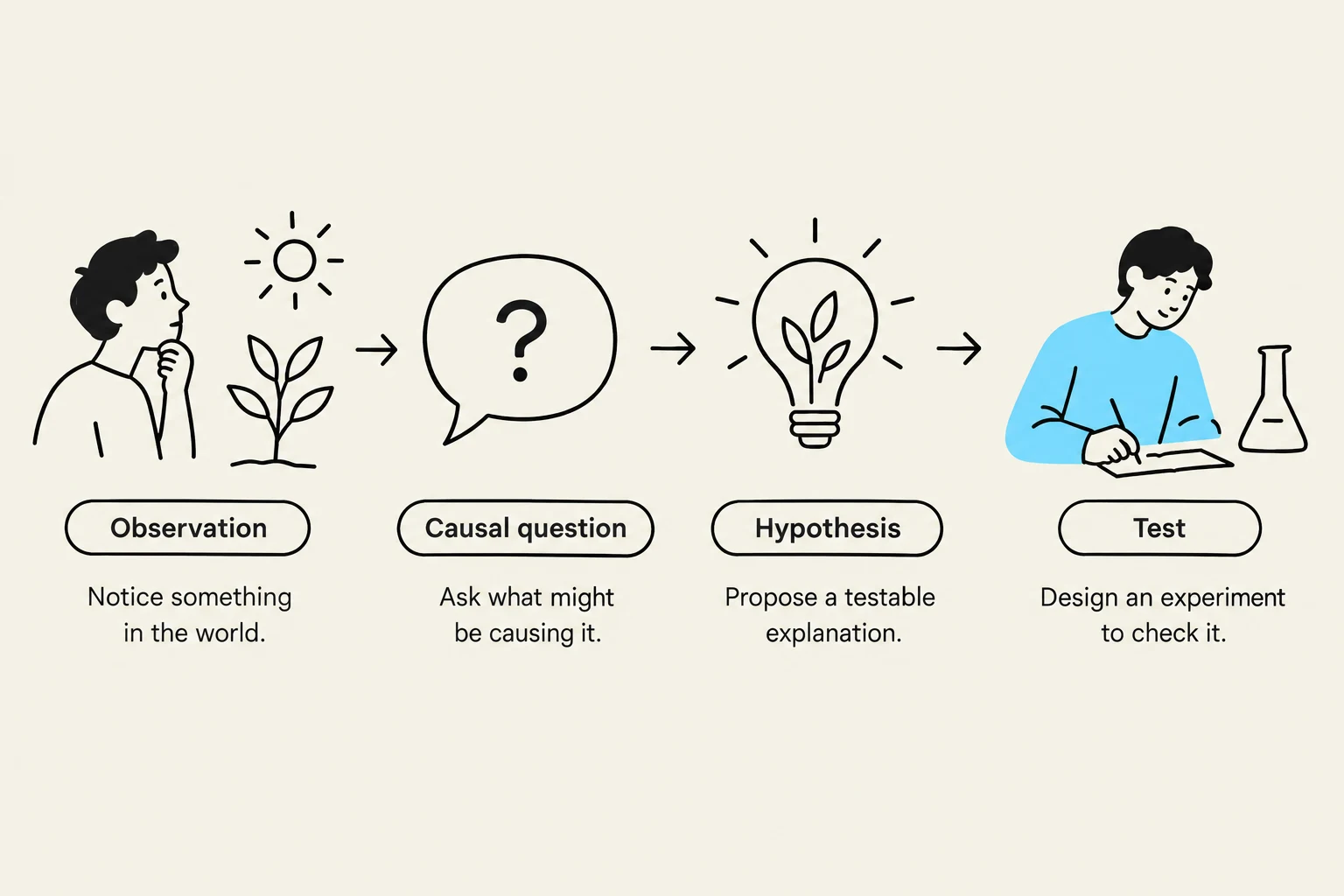
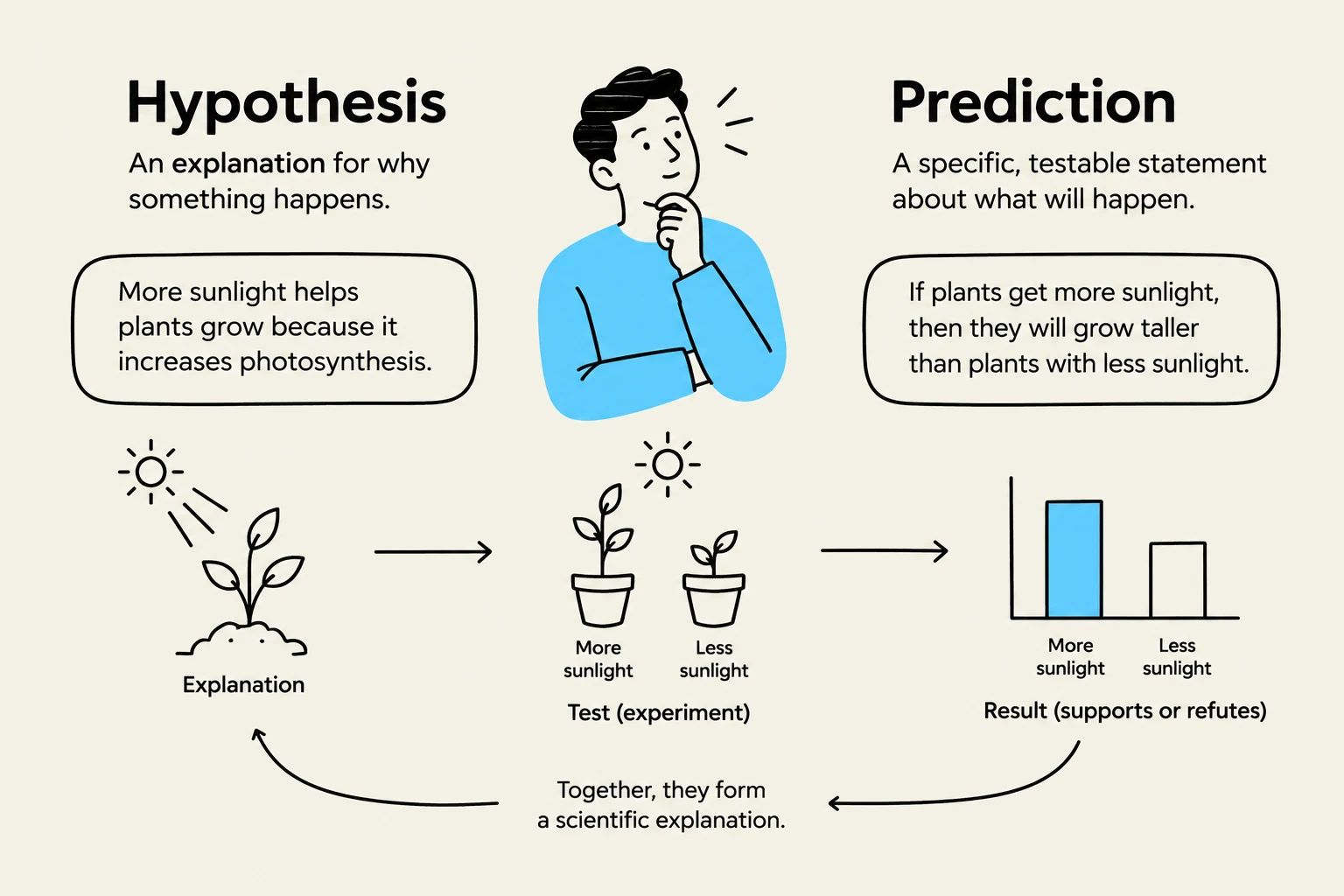
In the pursuit of knowledge, the scientific method serves as a vital framework for moving beyond mere description toward true understanding. While descriptive questions ask "what is it like?", causal questions seek to answer "why?". To answer these "why" questions, scientists rely on hypotheses—proposed explanations for puzzling observations. However, for a hypothesis to be scientifically valid, it cannot exist in a vacuum; it must be testable, account for known properties of the world, and, most importantly, obey the fundamental laws of logic.
Understanding Hypotheses
A hypothesis is more than just an educated guess; it is a formal explanation for a causal question. In biological inquiry, these explanations often fall into specific classes, such as physiological, ecological, evolutionary, or molecular perspectives.
The most critical requirement for any hypothesis is testability. A common misconception is that a testable hypothesis is simply one that can be tested. In reality, a truly testable hypothesis is one where a designed test produces new information that was not already embedded in the hypothesis itself.
Exam Tip: When evaluating if a hypothesis is testable, ask: "Does the result of this test provide information that I didn't already assume was true in my hypothesis?".
For example, if you wonder why a houseplant died, a hypothesis like "it died because of a ghost" is not testable because ghosts operate outside the detectable physical-chemical world. Conversely, a hypothesis like "it died because I forgot to water it" is testable because you can measure soil moisture to produce new, empirical data.

Keep reading for free.
Create an account to finish this reading and make it part of your study routine.
Continue reading freeAlready have an account? Log in
Updated