


The emergence of SARS-CoV-2 has fundamentally altered our understanding of viral pathogenesis and its systemic impact on human physiology. Unlike many viruses that cause localized infections, SARS-CoV-2 demonstrates a sophisticated mechanism for cellular entry that disrupts critical regulatory systems within the body. By understanding the molecular "handshake" between the virus and the host cell, we can better grasp why this pathogen leads to severe respiratory distress and systemic inflammation.
The Structure of SARS-CoV-2
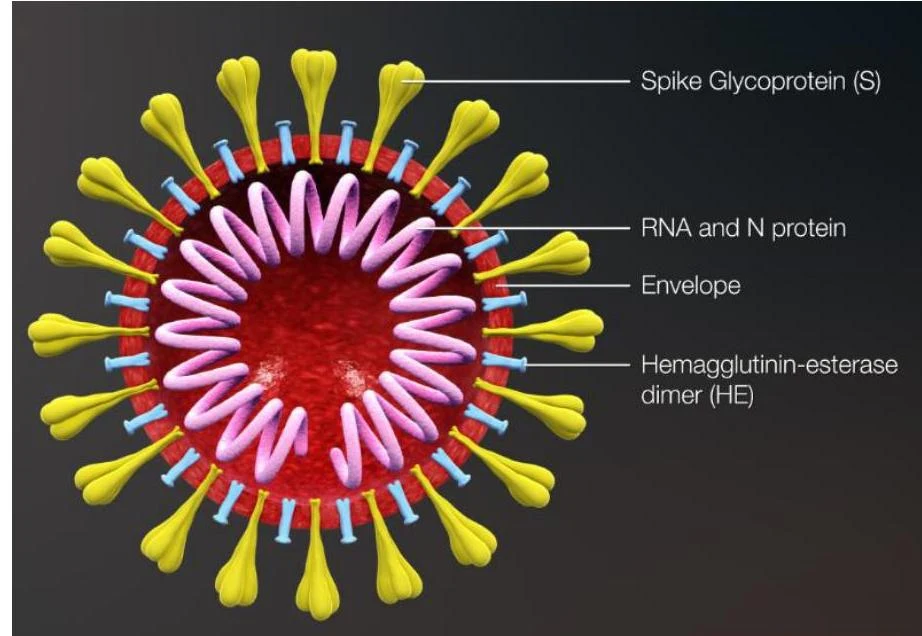
SARS-CoV-2 is an enveloped, icosahedral virus measuring between 80 and 160 nm in diameter. As an RNA virus, it possesses a relatively large positive-sense single-stranded RNA (+ssRNA) genome, ranging from 27 to 32 Kb.
The architecture of the virus is critical to its ability to infect. It consists of a nucleocapsid surrounded by a lipid envelope, which is modified by proteins stolen from the host cell's membranes. Most importantly, the surface of the virus is studded with Spike Proteins (S). These spikes act as the primary tools for docking, allowing the virus to recognize and attach to specific target cells.
The Mechanism of Viral Entry
The invasion of a host cell by SARS-CoV-2 is a multi-step process that relies on high-affinity molecular interactions. This process can be broken down into three distinct stages:
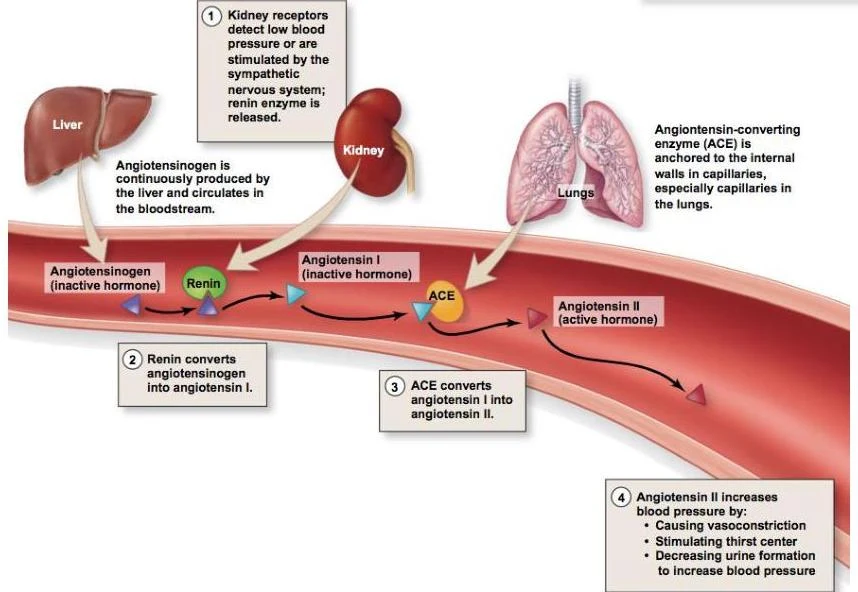
- Binding via the RBD: The Spike protein contains a specific region known as the Receptor-binding domain (RBD). This domain is responsible for connecting to the ACE2 (angiotensin-converting enzyme 2) receptor located on the host cell membrane.
- TMPRSS2 Activation: Once the spike protein is docked, a host enzyme called TMPRSS2 is required to activate the spike protein, preparing it for the next phase.
- Membrane Fusion: Following activation, the viral envelope merges directly with the host cell membrane (fusion), allowing the viral nucleocapsid to enter the cytoplasm.

Keep reading for free.
Create an account to finish this reading and make it part of your study routine.
Continue reading freeAlready have an account? Log in
Updated