RNA and Protein Synthesis: From Genetic Code to Functional Proteins
Explains the two-stage process of protein synthesis, including transcription (DNA to mRNA) and translation (mRNA to protein), detailing the roles of DNA, RNA types, ribosomes, codons, and anticodons. It also touches upon mutations and related genetic disorders like PKU and Cystic Fibrosis.
Every living cell operates based on a set of instructions stored within its genetic material. However, DNA does not directly build the structures that keep a cell alive; instead, it acts as a master blueprint. To turn these instructions into action, the cell must undergo a complex, two-stage process known as protein synthesis. This process follows the "central dogma" of molecular biology: DNA → RNA → Protein.
Through the coordinated efforts of various types of RNA and specialized cellular machinery, the information stored in the stable DNA molecule is transcribed into a mobile message and then translated into a precise chain of amino acids that fold into functional proteins.
The Blueprint: DNA and the Genetic Code
The journey begins with DNA (deoxyribonucleic acid), a double-stranded helix that stores the genetic information necessary for life. Within the DNA molecule are many genes; each gene contains the specific instructions for the sequence of amino acids required to build a particular protein.
The information is organized into a genetic code consisting of codons—sets of three nucleotide bases (triplets) that each code for a specific amino acid. For example, the RNA triplet AUG serves as the "start" or initiation codon and codes for the amino acid methionine.
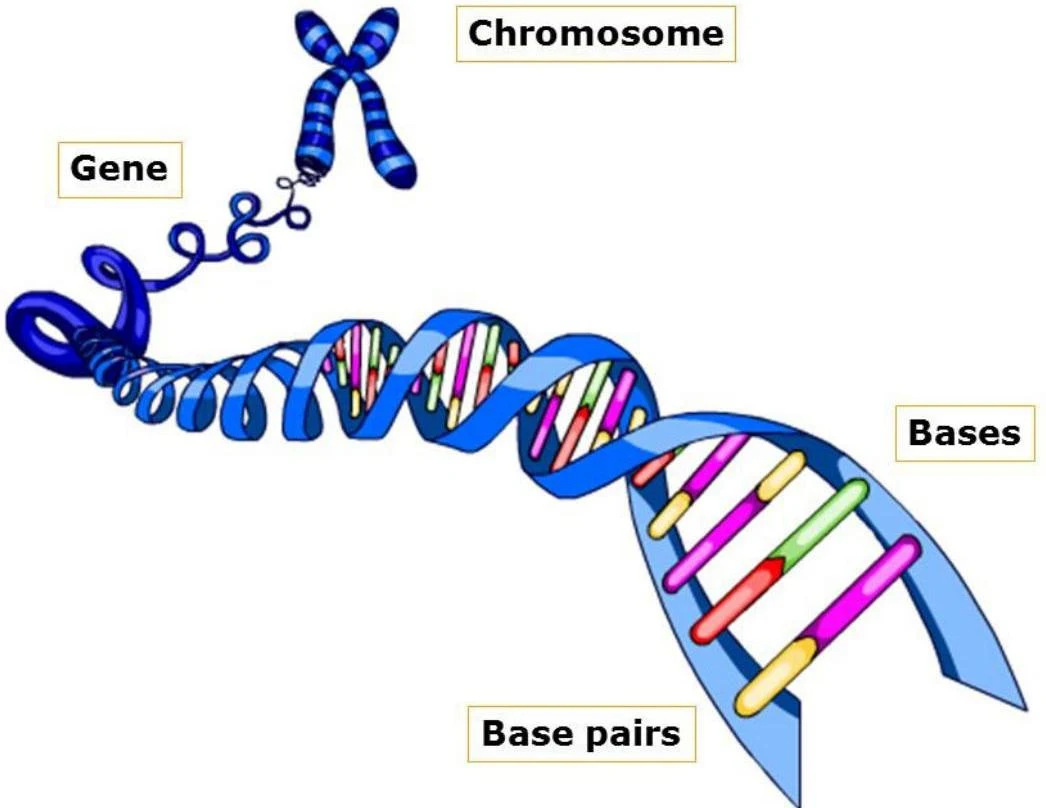
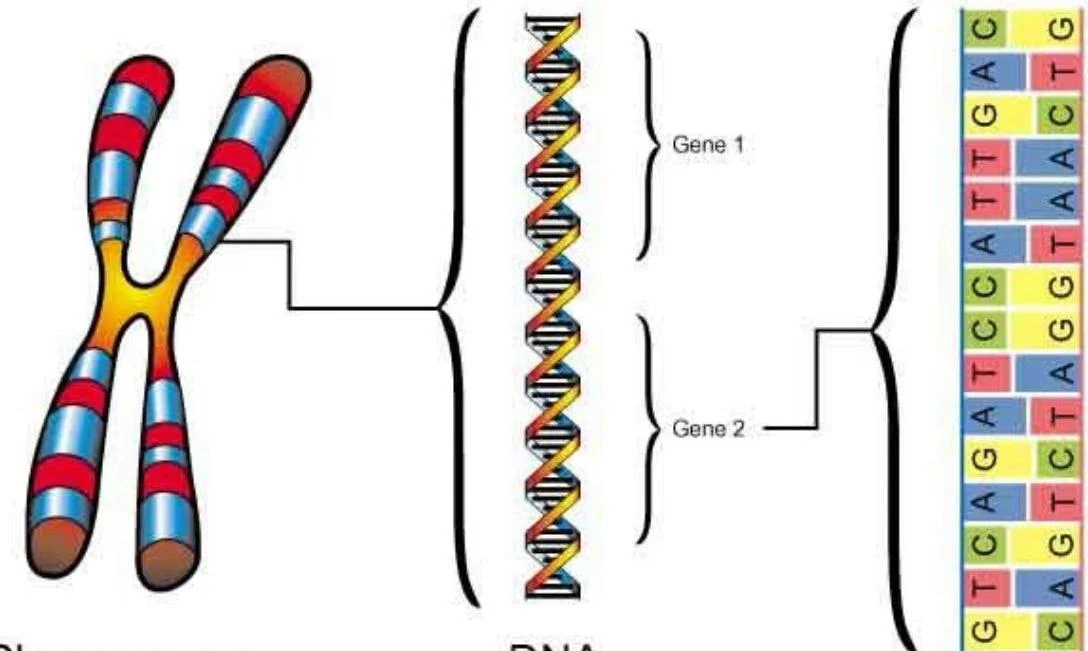
Illustration showing the relationship between a gene, DNA, and a chromosome.This illustration shows the relationship between a chromosome, DNA, and genes. A chromosome is a structure that contains DNA, which is a molecule that carries genetic information. Genes are segments of DNA that code for specific traits.
Stage 1: Transcription (DNA → mRNA)
Because DNA is too precious and large to leave the safety of the nucleus, the cell creates a portable copy of the gene. This process is called transcription.
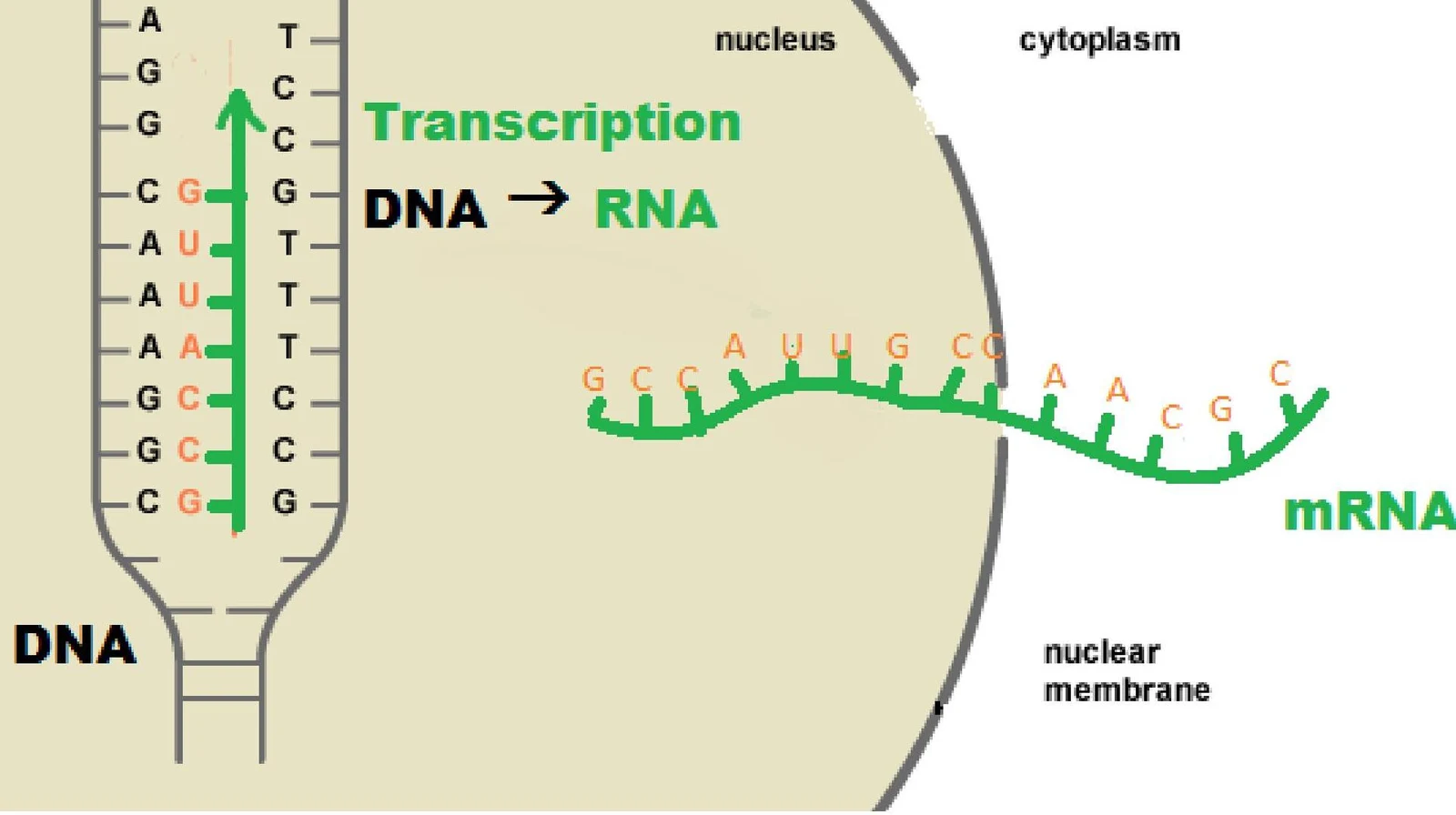
During transcription, the section of DNA containing a specific gene unwinds. An enzyme called RNA polymerase binds to the gene and uses one of the DNA strands as a template to build a complementary RNA molecule. This resulting molecule is called messenger RNA (mRNA).
There are key chemical differences between DNA and the newly formed mRNA:
Sugar: RNA uses ribose sugar, whereas DNA uses deoxyribose.
Bases: While DNA uses adenine (A), cytosine (C), guanine (G), and thymine (T), RNA replaces thymine with uracil (U).
Base Pairing: In RNA, adenine (A) pairs with uracil (U), and cytosine (C) pairs with guanine (G).
Illustration of the process of transcription where DNA is used as a template to synthesize mRNA.
Once the mRNA is synthesized, it detaches from the DNA and exits the nucleus through nuclear pores, traveling into the cytoplasm to find a ribosome.
Exam Tip: Remember that transcription occurs in the nucleus, while translation occurs in the cytoplasm at the ribosome.
Stage 2: Translation (mRNA → Protein)
Translation is the process where the ribosome reads the mRNA sequence to assemble amino acids into a protein. This stage requires the interaction of three distinct types of RNA:
mRNA (Messenger RNA): Carries the genetic instructions from the nucleus to the ribosome.
rRNA (Ribosomal RNA): Forms the structural components of the ribosome, the "protein factory" where assembly occurs.
tRNA (Transfer RNA): Acts as an amino acid courier.
The Role of tRNA and the Anticodon
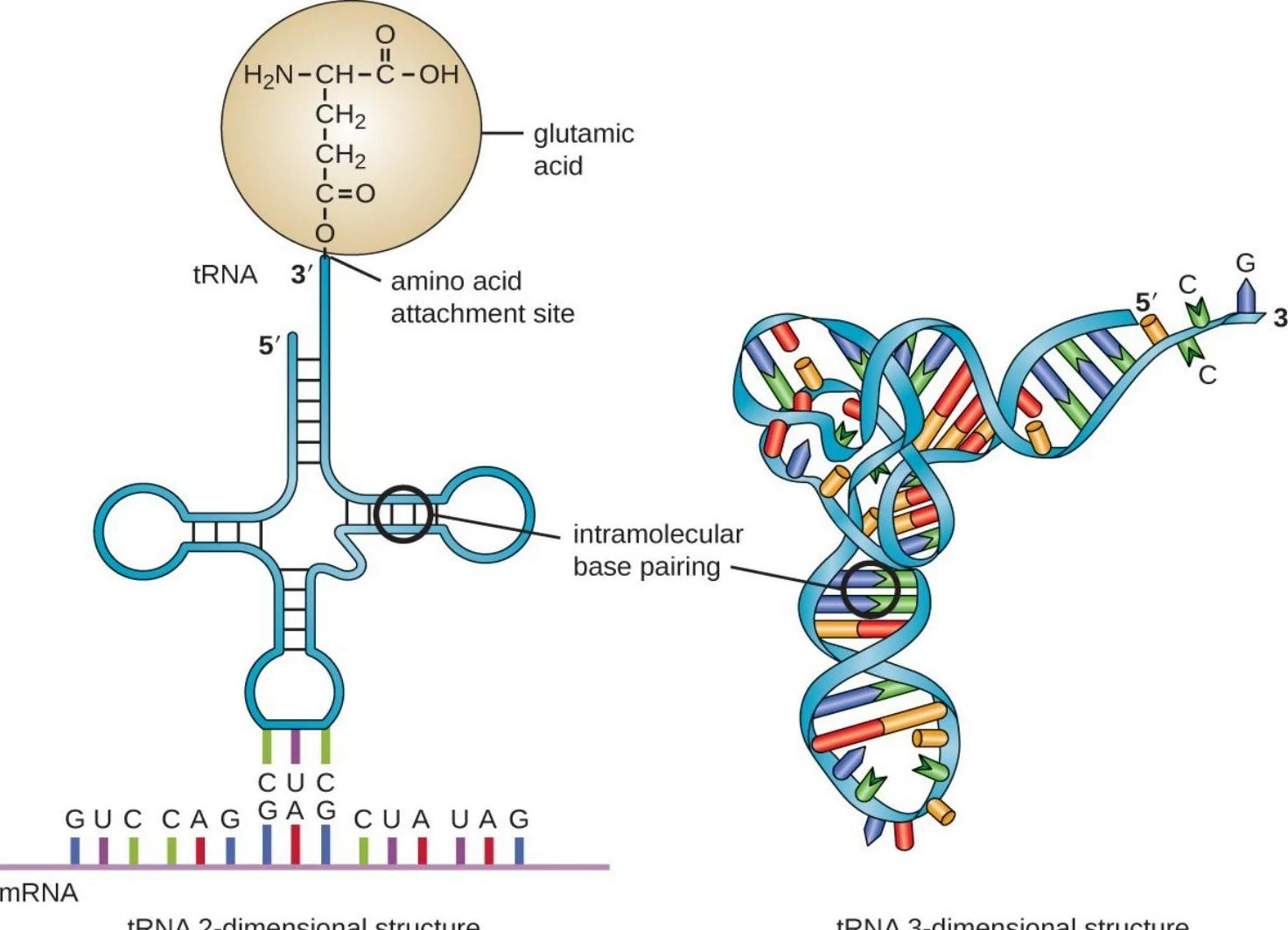
Each tRNA molecule is specific to one of the 20 different amino acids. To ensure the correct amino acid is delivered, each tRNA has a unique sequence of three bases called an anticodon. The anticodon recognizes and base-pairs with a complementary codon on the mRNA strand. For instance, if the mRNA codon is AUG, the matching tRNA will have the anticodon UAC.
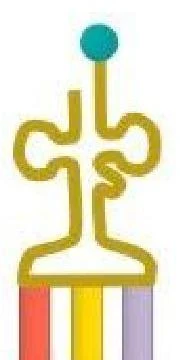
A diagram representing a transfer RNA (tRNA) molecule, showing its characteristic cloverleaf structure and anticodon loop.Diagrams illustrating the 2-dimensional and 3-dimensional structures of transfer RNA (tRNA), showing its amino acid attachment site and intramolecular base pairing, alongside a representation of messenger RNA (mRNA).
Assembling the Polypeptide
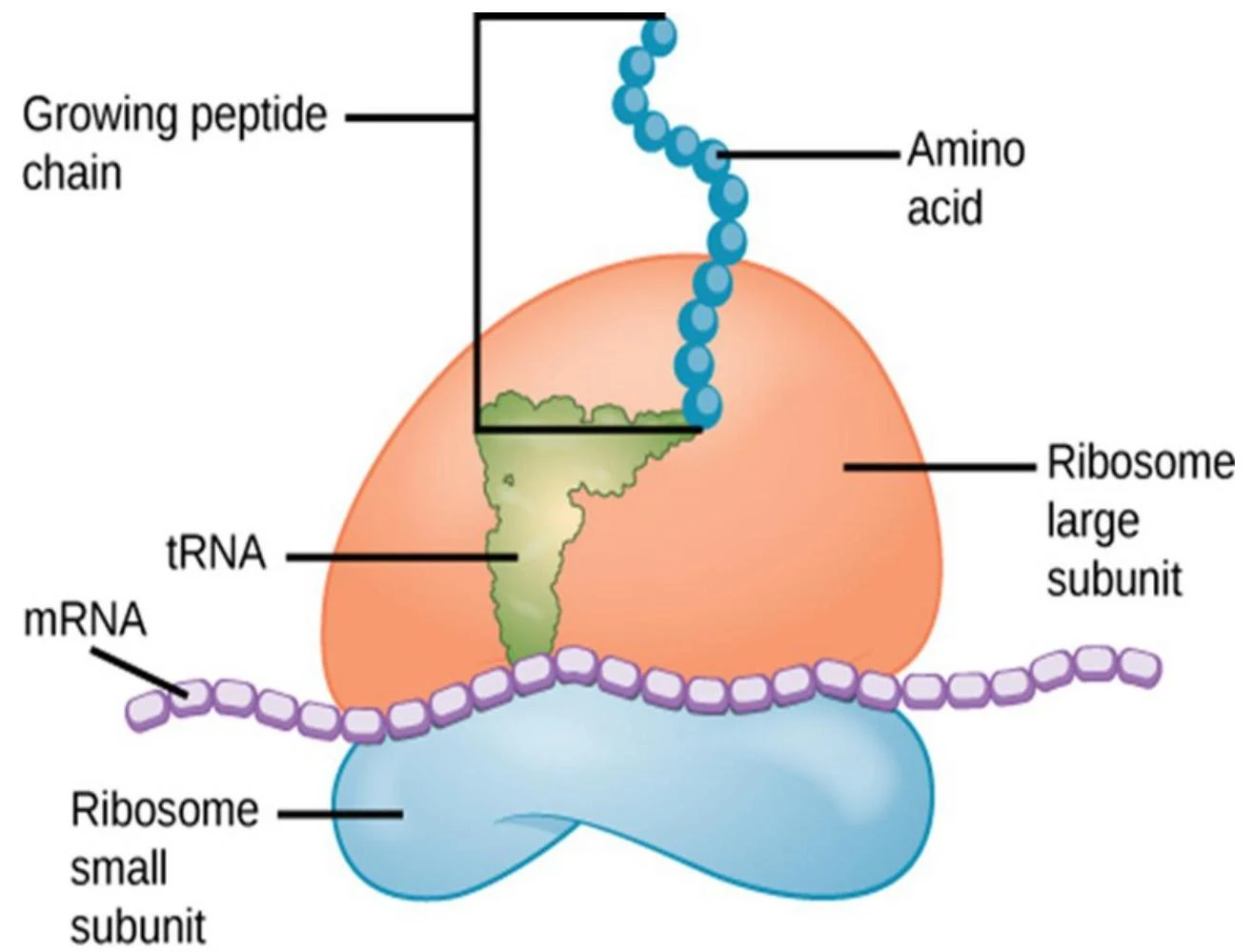
As the ribosome moves along the mRNA, it facilitates the binding of tRNA molecules to their matching codons. The ribosome then joins the amino acids together using peptide bonds. This creates a growing chain of amino acids known as a polypeptide.
Illustration of a ribosome translating mRNA into a growing peptide chain, with tRNA delivering amino acids.
The process continues until the ribosome encounters a stop codon, which signals the end of translation. Once released, the completed polypeptide chain folds into a specific three-dimensional shape, becoming a functional protein.
A colorful illustration of a protein structure, likely depicting alpha-helices.
When Processes Fail: Mutations and Disease
The accuracy of protein synthesis is vital. While errors in transcription are relatively rare (about 10−6), DNA mutations can change the genetic code, leading to the production of faulty or non-functional proteins.
Two significant examples of protein-related disorders include:
Phenylketonuria (PKU): This condition is caused by a mutation in the gene for the enzyme phenylalanine hydroxylase (PAH). Because this enzyme is impaired, the body cannot metabolize the amino acid phenylalanine, leading to a buildup that can damage nerve cells in the brain.
Cystic Fibrosis: This is an inherited disorder caused by an incorrectly made protein responsible for transporting chloride ions across cell membranes. This faulty transport leads to the accumulation of thick mucus in the respiratory and digestive tracts.
Comparison of a healthy trachea cross-section with one affected by cystic fibrosis, showing inflammation and increased mucus secretion.
Summary Table of Nucleic Acids
Molecule
Structure
Main Role
DNA
Double-stranded double helix
Stores genetic information
mRNA
Single-stranded linear molecule
Carries genetic instructions to ribosomes
tRNA
Small folded cloverleaf-shaped molecule
Delivers amino acids to ribosomes
rRNA
Highly folded RNA forming part of ribosomes
Forms ribosomes and helps build proteins
Keep reading for free.
Create an account to finish this reading and make it part of your study routine.