


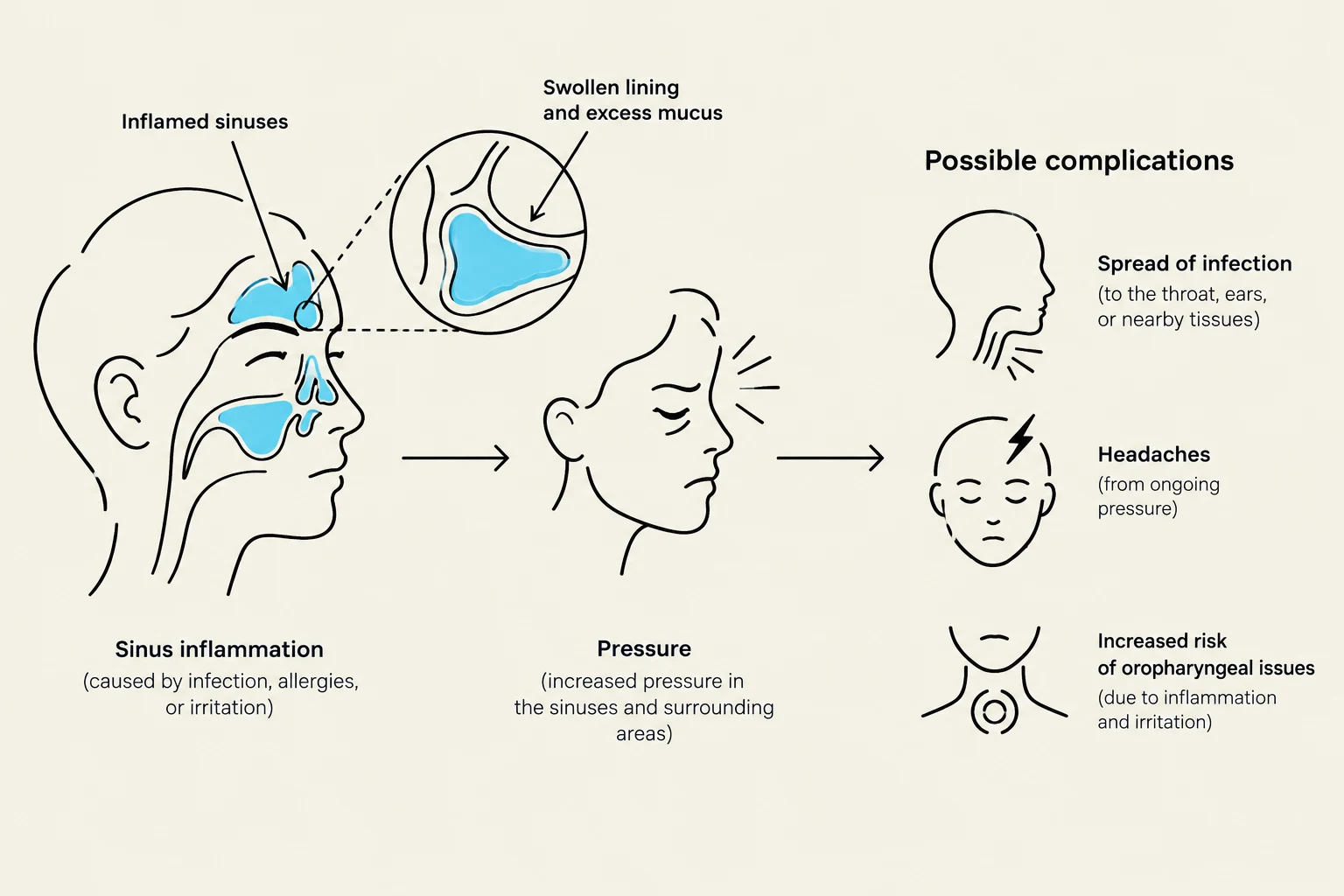
The structures of the mouth, throat, nose, and sinuses serve vital functions, including ingestion, tasting, speech, and the filtering and warming of inhaled air. Because these areas are frequently exposed to environmental irritants, pathogens, and lifestyle-related stressors, they are susceptible to various pathologies ranging from inflammatory conditions like sinusitis to more severe malignancies such as oropharyngeal cancer. Understanding the risk factors associated with these conditions is a critical component of nursing assessment and patient education.
Oropharyngeal Cancer: Risk Factors
Oropharyngeal cancer involves the tissues of the throat and mouth. Identifying patients at high risk is essential for early detection and intervention. Several biological and lifestyle factors contribute to the development of these malignancies:
- Substance Use: Tobacco use (including secondhand smoke), frequent and heavy alcohol consumption, and marijuana use are significant contributors. Additionally, the chewing of betel nut and betel nut mixtures increases risk.
- Viral Infections: The Human Papillomavirus (HPV), particularly through oral sex, is a known risk factor.
- Demographics and Biology: Men are more frequently affected than women. Risk also increases with age, especially in individuals over 45, and in those with fair skin.
- Lifestyle and Environment: Prolonged sun exposure, poor oral hygiene, poor diet/nutrition, and a weakened immune system all play a role in increasing vulnerability.
Clinical Note: When assessing the oral cavity, remember that the area under the tongue is the most common site for oral cancer.

Keep reading for free.
Create an account to finish this reading and make it part of your study routine.
Continue reading freeAlready have an account? Log in
Updated