


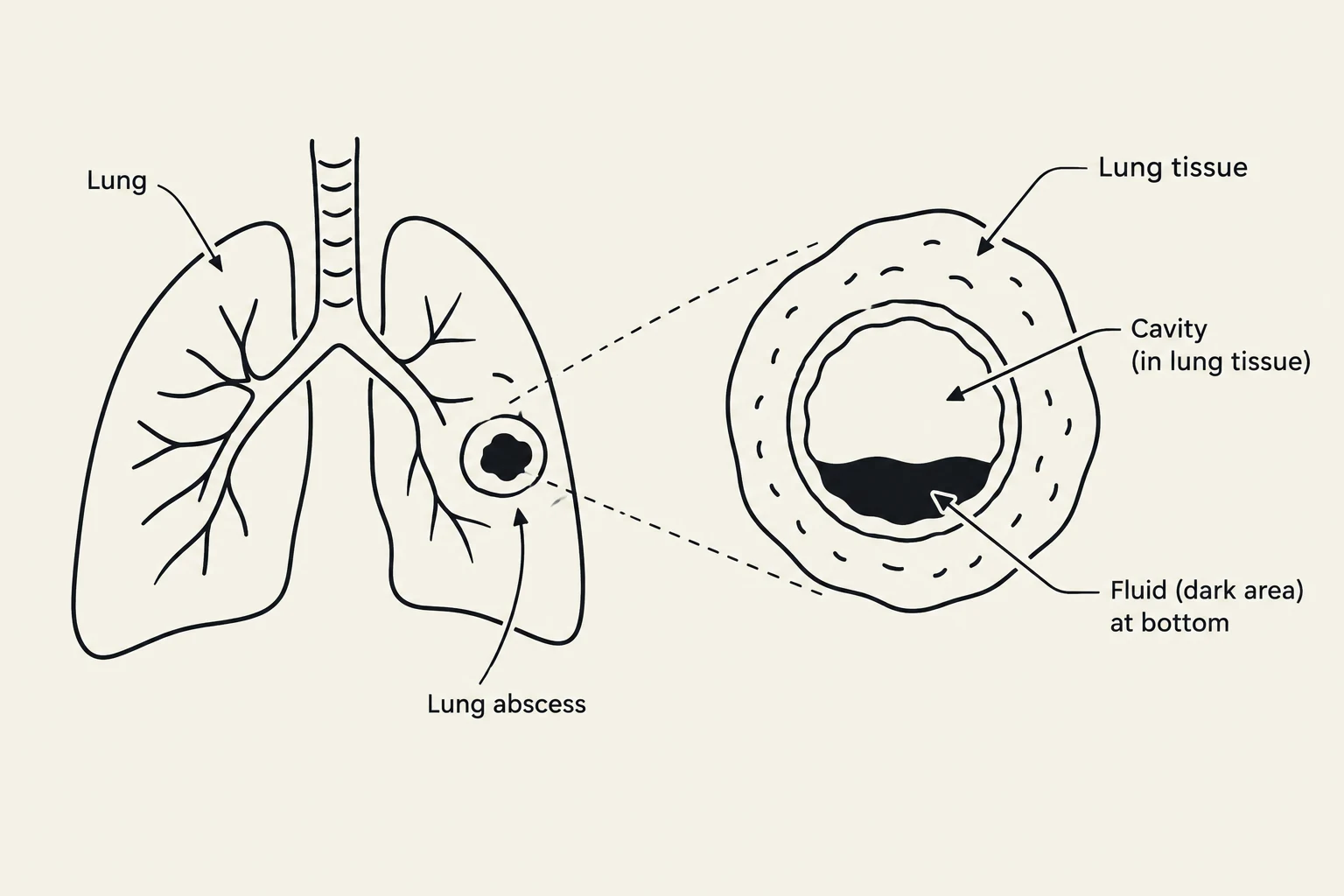
The respiratory system is a primary gateway for various pathogens, including viruses, bacteria, and fungi. These organisms can cause a wide spectrum of diseases, ranging from mild upper respiratory infections like the common cold to life-threatening conditions such as necrotizing pneumonia, lung abscesses, and systemic toxicities. Understanding the distinction between typical and atypical presentations, as well as the specific virulence mechanisms of these pathogens, is essential for clinical diagnosis and management.
Fungal Pathogens: Dimorphic Fungi
Fungal respiratory infections often involve dimorphic fungi, which can exist in different morphological forms depending on environmental conditions.
- Coccidioides: This fungus causes San Joaquin Valley fever, a self-limited respiratory infection characterized by fever and cough. A hallmark diagnostic finding is the presence of spore-containing spherules in tissue samples.
- Para-coccidiomycosis: This pathogen can cause primary lung infections or ulcerative lesions of the oral and nasal mucosa. It is uniquely characterized by the presence of yeast cells with multiple buds, often described as a "captain's wheel" pattern.
Viral Pathogens
Viruses are a major cause of respiratory illness, often categorized by their genome structure and their ability to induce cellular changes like the formation of syncytia (multinucleated giant cells).
Enveloped and Segmented Viruses
Many significant respiratory viruses are enveloped and possess segmented negative-sense single-stranded RNA (-ssRNA) genomes.
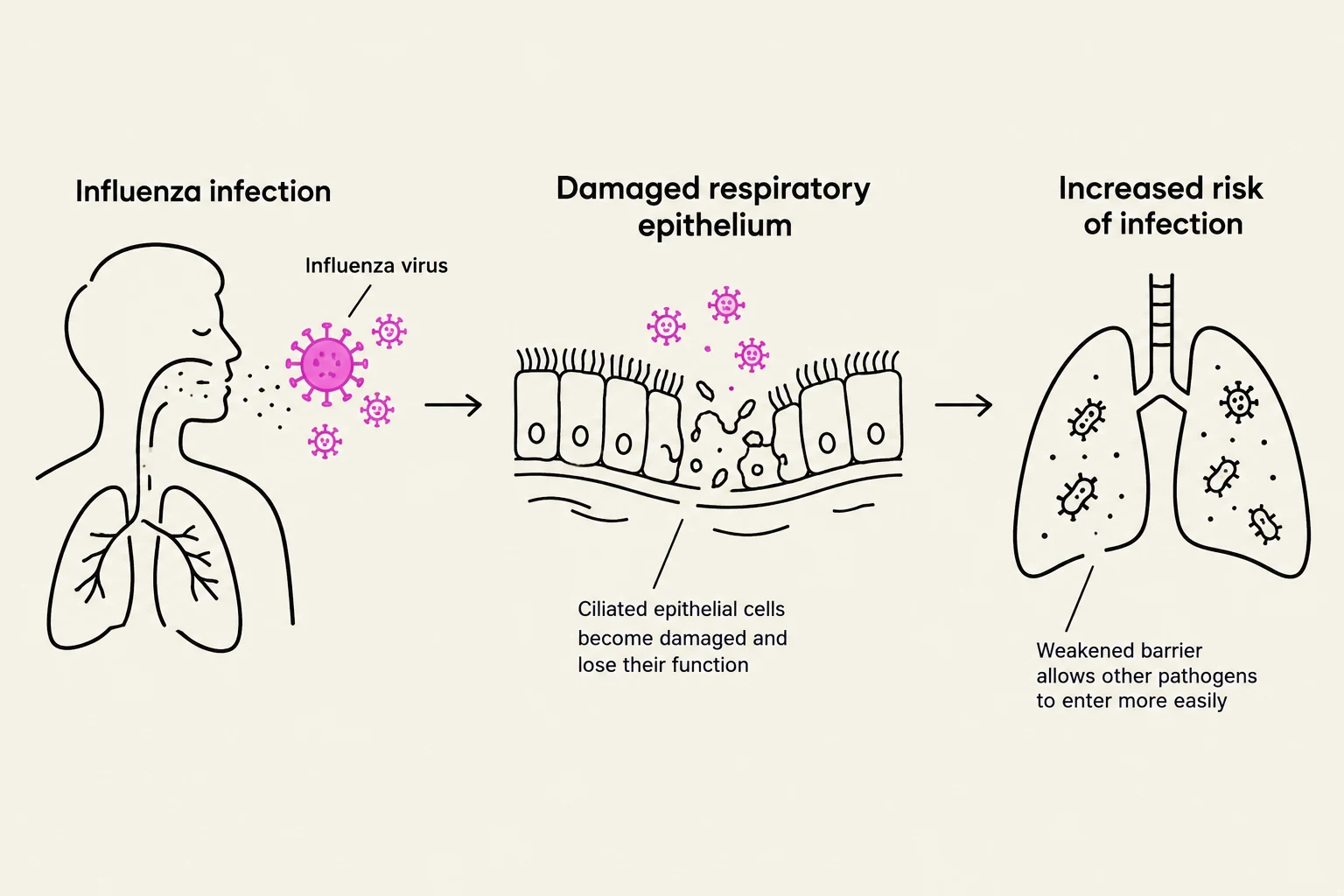
- Influenza: These viruses are notorious for their ability to evolve via antigenic drift (point mutations) and antigenic shift (reassortment of genome segments), the latter of which can lead to pandemics. Clinical manifestations include pneumonia and Reye syndrome in children. Notably, influenza damages the respiratory epithelium, significantly increasing the risk of secondary bacterial pneumonia caused by S. pneumoniae, S. aureus, or H. influenzae.
- Parainfluenza: This virus causes Croup (laryngotracheobronchitis), which presents with a characteristic barking cough, hoarseness, and inspiratory stridor. Radiographically, this may manifest as subglottic narrowing, known as the "steeple sign".
- Respiratory Syncytial Virus (RSV): RSV is a leading cause of bronchiolitis in infants, presenting with wheezing, cough, and increased work of breathing.

Keep reading for free.
Create an account to finish this reading and make it part of your study routine.
Continue reading freeAlready have an account? Log in
Updated