


In the study of bioenergetics, we often focus on the efficiency of the Electron Transport Chain (ETC) and its ability to generate a proton motive force for ATP synthesis. However, this process is not perfectly efficient. As electrons move through the various complexes of the ETC, oxygen serves as the ultimate electron sink. Occasionally, oxygen is only partially reduced, leading to the unintended production of highly reactive chemical species. While these molecules are natural byproducts of metabolism, their accumulation can lead to significant cellular damage.
Reactive Oxygen Species (ROS) and Oxidative Stress
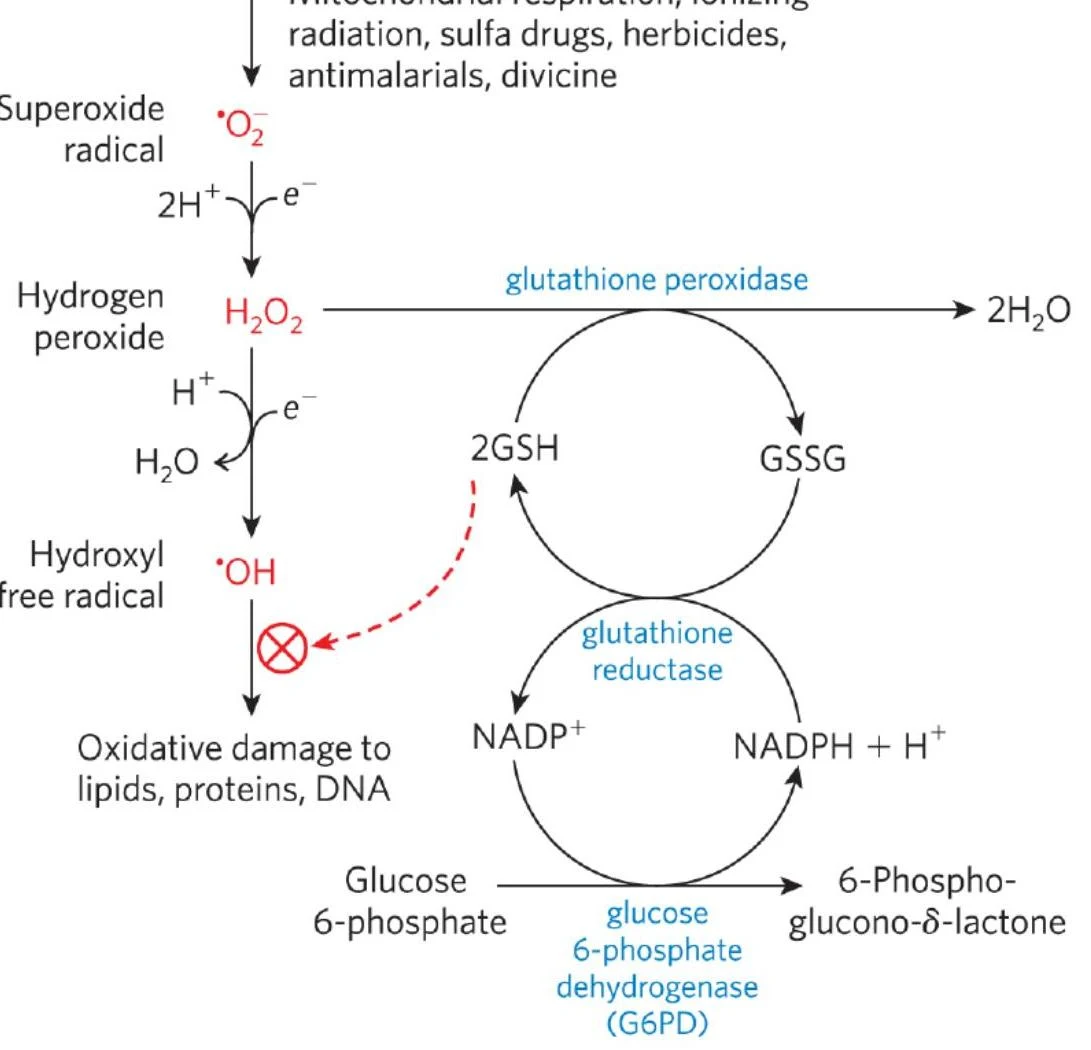
Reactive Oxygen Species (ROS) are a group of chemically reactive molecules containing oxygen. They are primarily generated as a side effect of the electron transport chain.
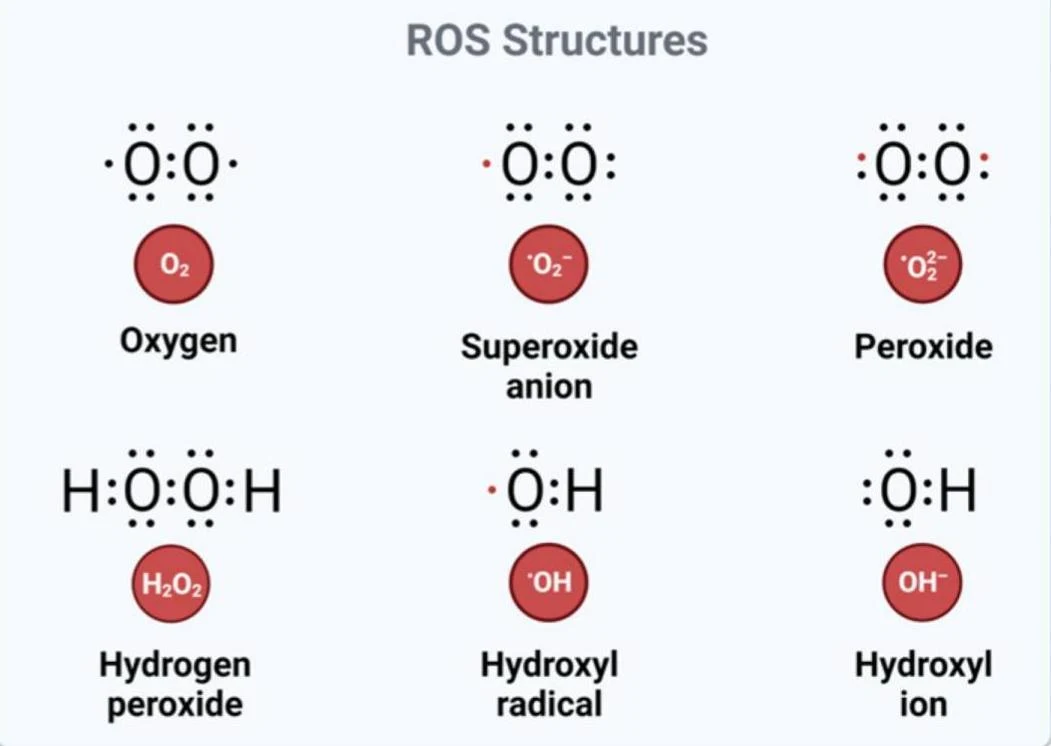
The two most significant species discussed in cellular metabolism are:
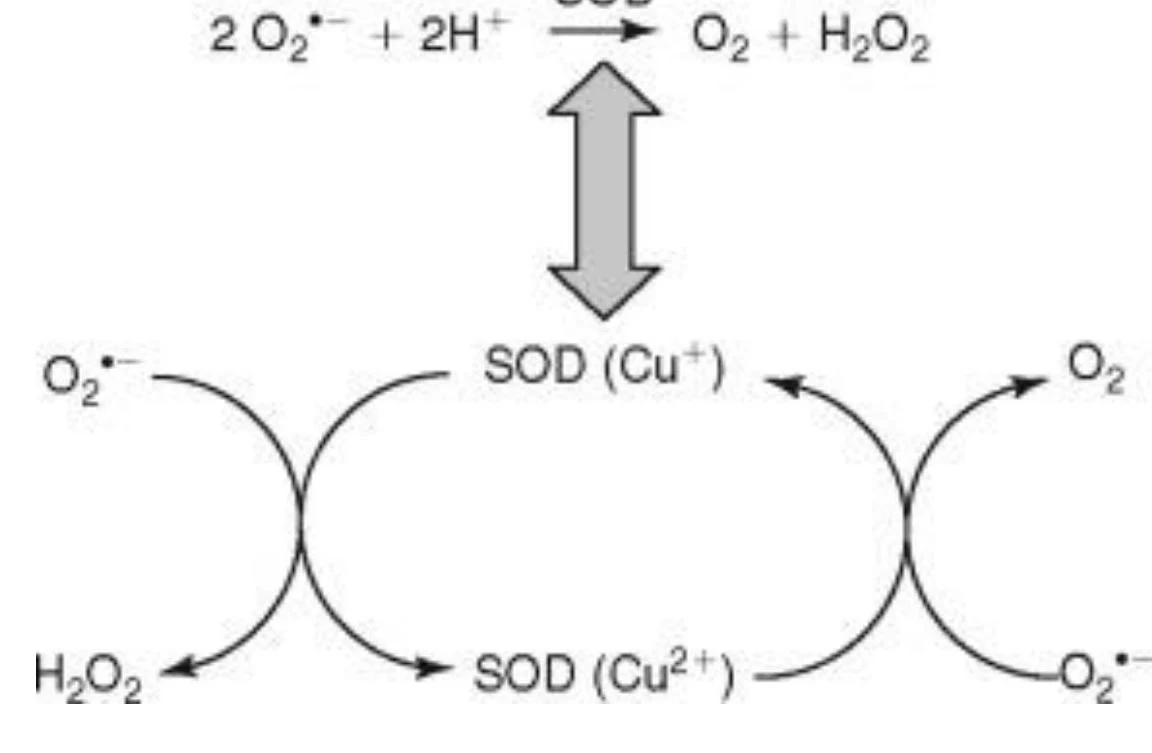
- Superoxide (): This is often considered the precursor for other more dangerous ROS.
- Hydroxyl Radical (): This is the most potent and dangerous of the ROS.
When the production of these species outpaces the cell's ability to neutralize them, the cell enters a state known as oxidative stress. Oxidative stress can impact numerous physiological systems, leading to damage in the kidneys, lungs, and joints, among other organs.
Fenton Chemistry: The Path to Toxicity
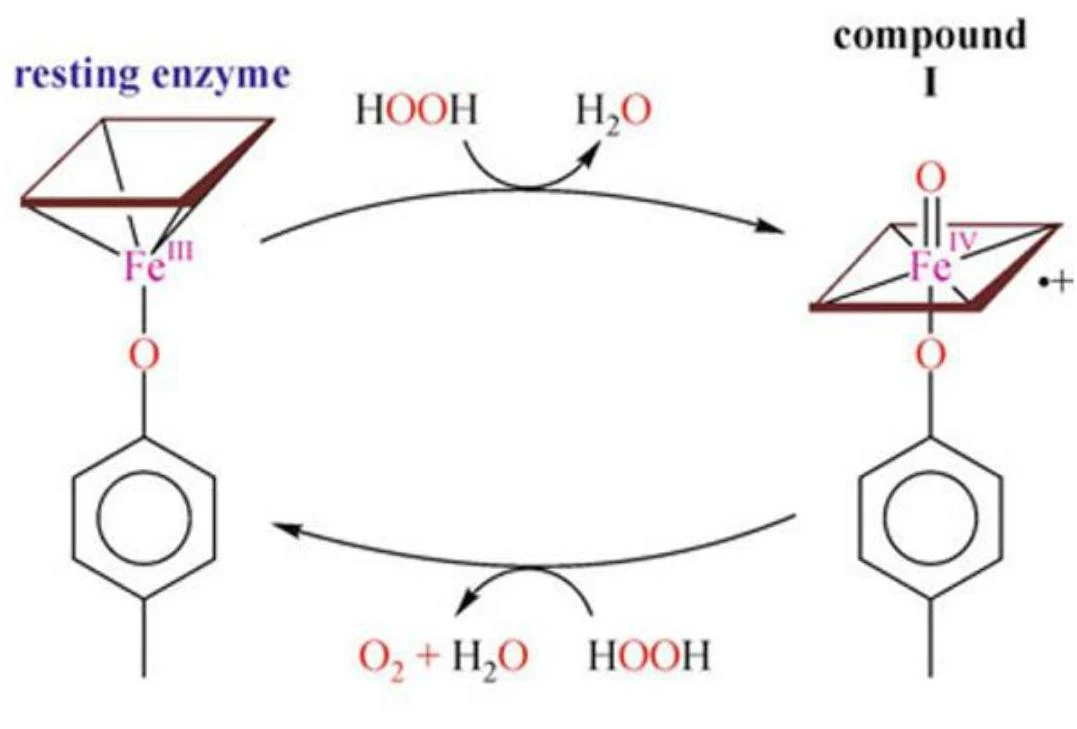
The most dangerous transition in ROS production occurs through a process known as Fenton Chemistry. This reaction typically occurs when there is an overload of iron () within the cell. In this reaction, the oxidation of iron facilitates the splitting of hydrogen peroxide (), resulting in the formation of the highly toxic hydroxyl radical.
Keep reading for free.
Create an account to finish this reading and make it part of your study routine.
Continue reading freeAlready have an account? Log in
Updated