


Social work research is a fundamental tool used to improve service delivery, understand human behavior, and ensure that interventions are actually helping the populations we serve. Rather than being a "one-size-fits-all" activity, research in social work is categorized by its specific intent—whether you are trying to describe a population, explain a phenomenon, explore a new concept, or evaluate the effectiveness of a program. Understanding these different purposes and the systematic process used to achieve them is essential for any practitioner or researcher in the field.
The Four Purposes of Social Work Research
Not all research questions are asked for the same reason. Depending on what a social worker needs to know, they will choose one of four primary research purposes: descriptive, explanatory, evaluative, or exploratory.
1. Descriptive Study
A descriptive study aims to describe people or things one variable at a time. For example, a researcher might want to describe the demographic makeup of individuals seeking housing assistance in a specific city. In these studies, accurate measurement is the most critical factor because the entire goal is to provide a precise "snapshot" of the subject being studied.
2. Explanatory Study
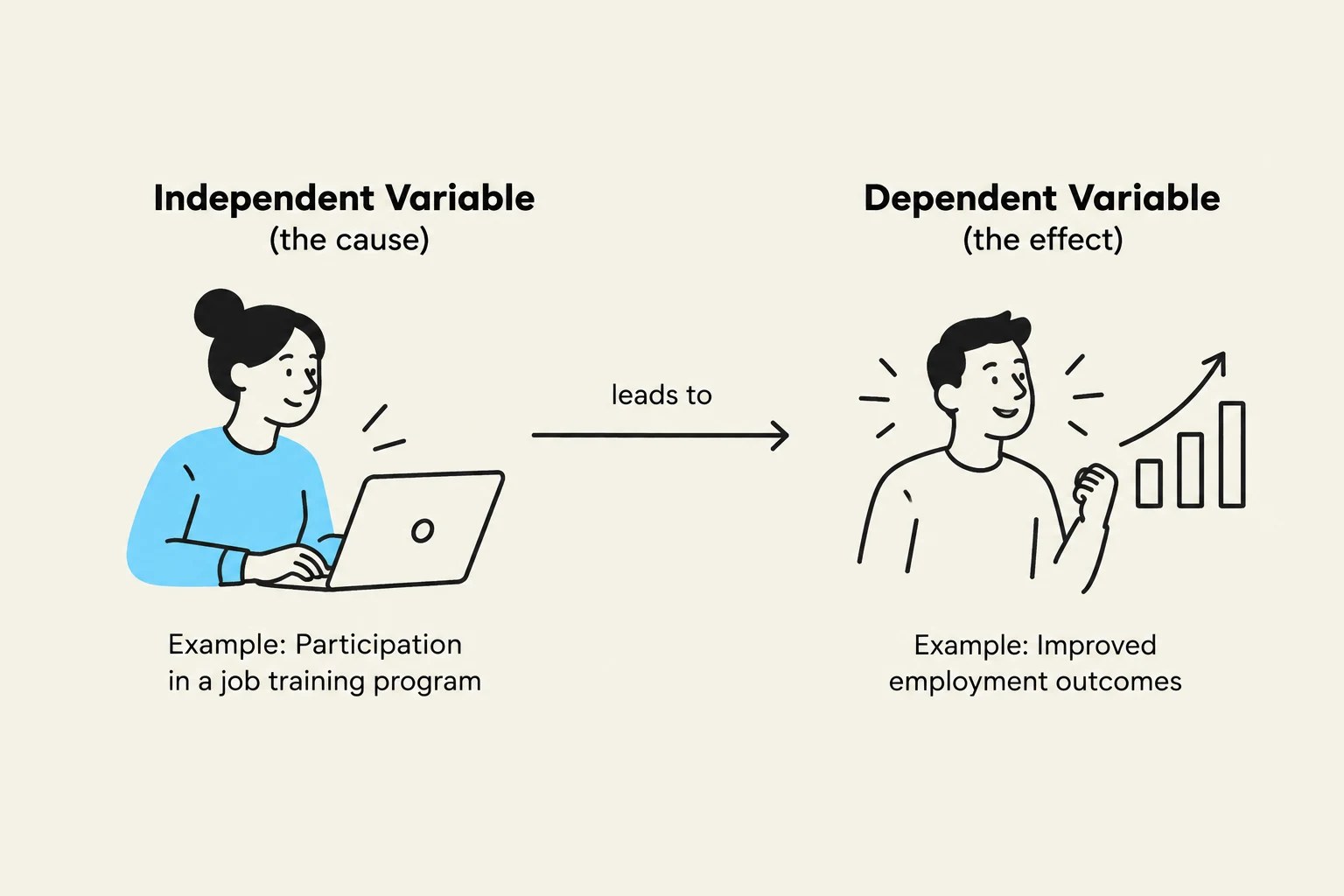
While descriptive research tells us what is happening, explanatory research seeks to tell us why it is happening. The purpose of an explanatory study is to examine the relationships between different variables.
To do this effectively, researchers rely on a conceptual framework or a theory. This theory provides guidance on which variables should be measured and helps the researcher form expectations about what the data will eventually reveal.
Keep reading for free.
Create an account to finish this reading and make it part of your study routine.
Continue reading freeAlready have an account? Log in
Updated