


When a patient requires a fixed restoration, the dentist must transform the natural tooth structure into a specific shape to receive the prosthetic device. This process, known as tooth preparation, is not merely about removing tooth structure; it is a precise clinical procedure governed by fundamental principles designed to ensure the long-term success of the restoration. A successful preparation must balance biological health, mechanical durability, and esthetic appearance.
Fundamental Considerations
To achieve a successful outcome, the clinician must navigate three primary categories of considerations:
1. Biologic Considerations
The primary goal is to maintain the health of the oral tissues. This involves:
- Preservation of Tooth Structure: The restoration must replace lost structure while preserving as much healthy, remaining tooth as possible.
- Preservation of the Periodontium: The dentist must avoid damaging adjacent teeth, soft tissues, or the pulp. Protection against temperature, chemical, and bacterial injury is essential.
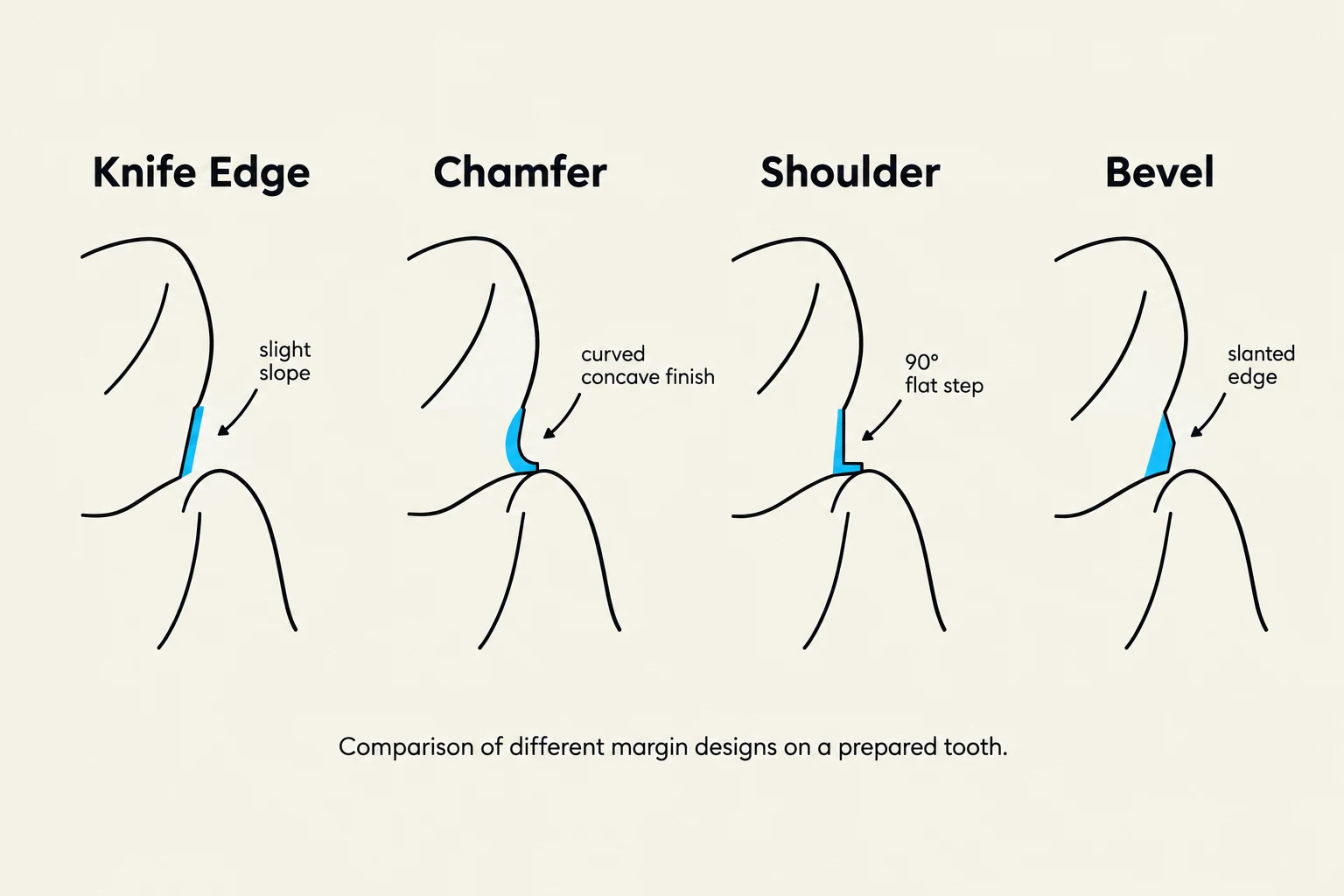
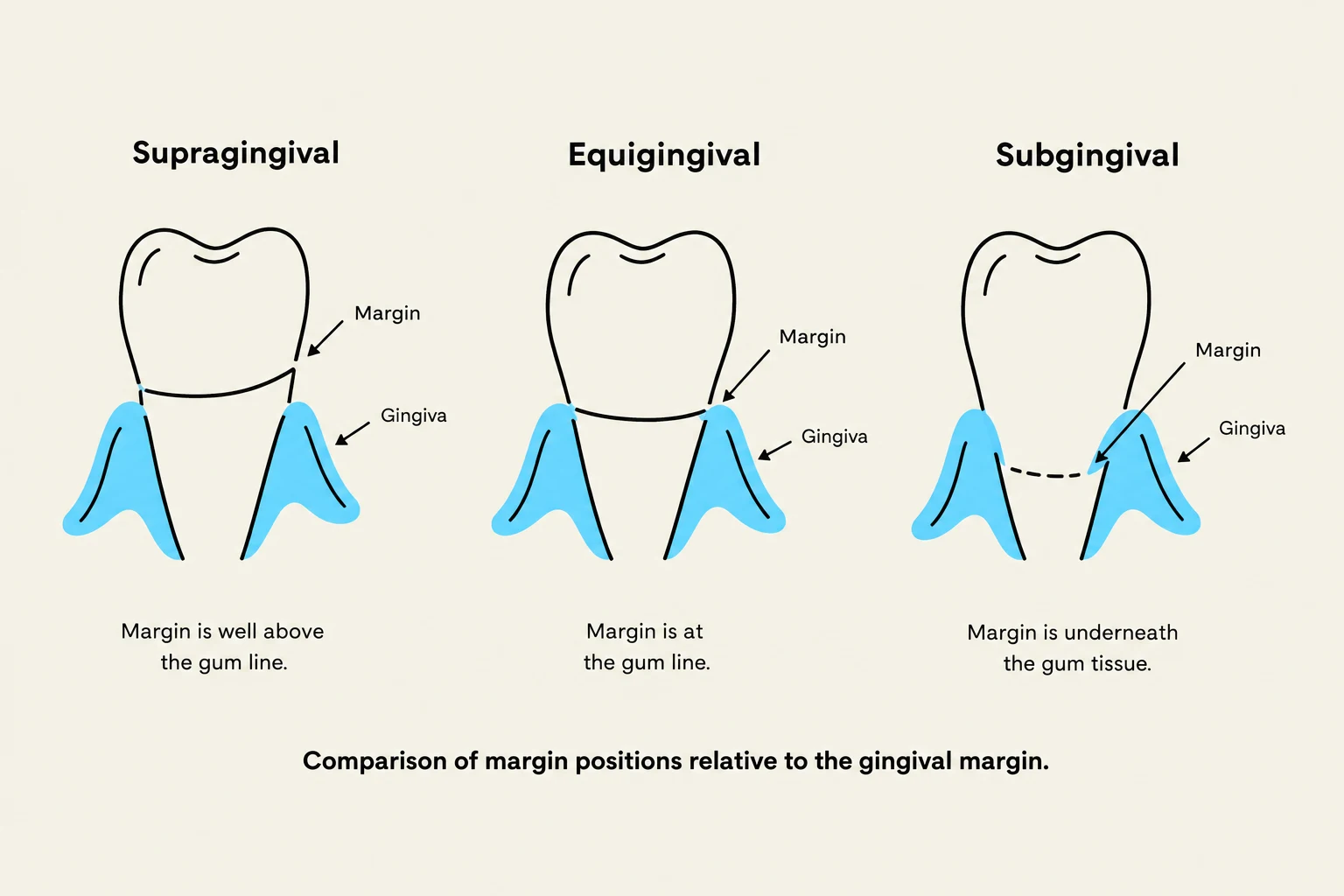
- Marginal Integrity: Ensuring the junction between the tooth and the restoration is smooth and well-defined to prevent plaque buildup.
2. Mechanical Considerations
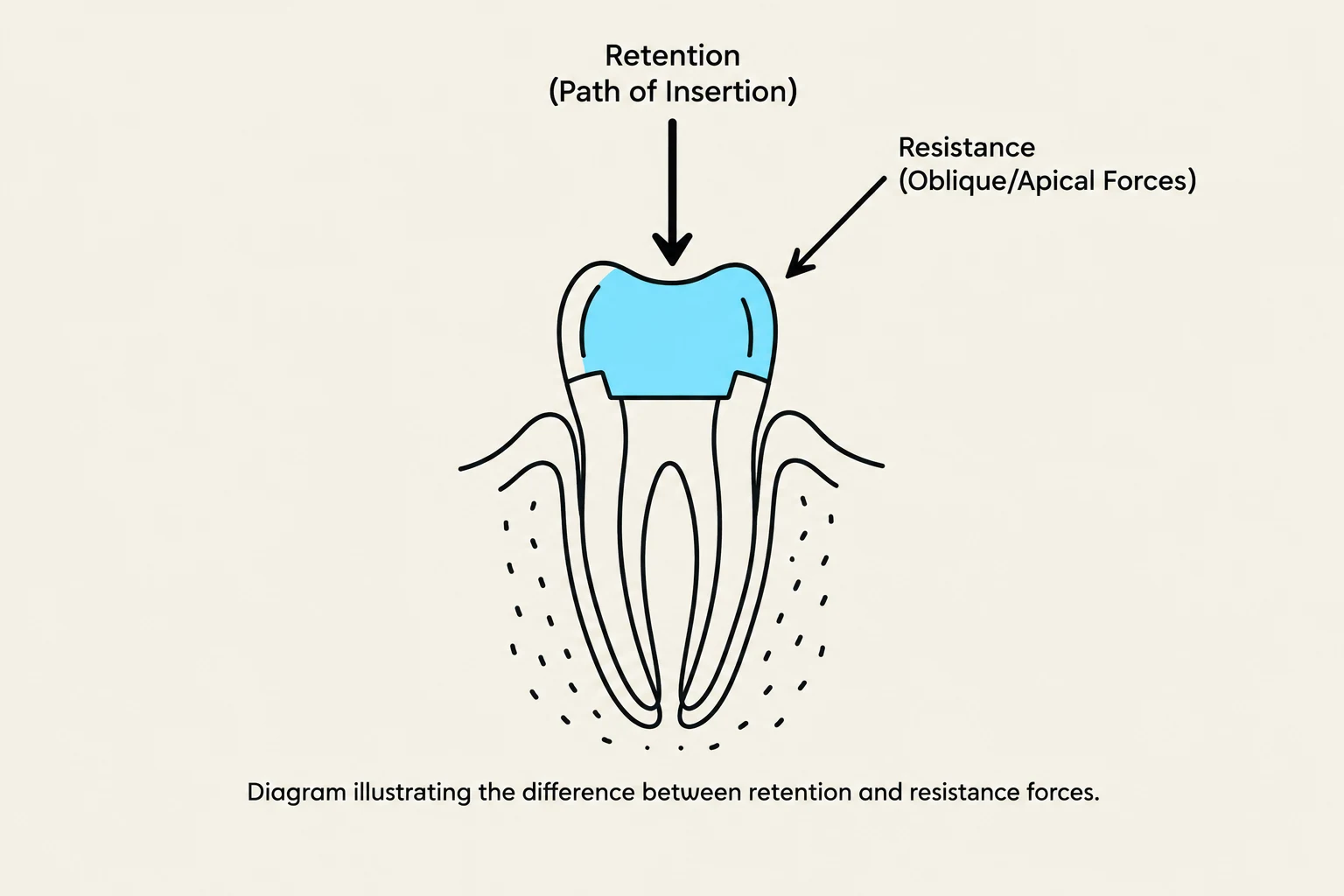
- Structural Durability: The restoration must have sufficient bulk to withstand occlusal forces. This is achieved through adequate occlusal and axial reduction.
- Retention and Resistance:
- Retention prevents the restoration from being removed along its path of insertion (the long axis of the prep).
- Resistance prevents dislodgment caused by forces directed apically or obliquely.
3. Esthetic Considerations
In the "esthetic zone," the preparation must allow for sufficient thickness of restorative material (such as porcelain) to mask underlying tooth color or metal substructures while minimizing the visibility of the restorative margins.
Keep reading for free.
Create an account to finish this reading and make it part of your study routine.
Continue reading freeAlready have an account? Log in
Updated