


Radiation therapy (RT) serves as a cornerstone in the management of invasive breast cancer, aiming to reduce the risk of local recurrence and improve survival outcomes. Modern radiation oncology has transitioned from uniform dosing to highly individualized treatment strategies. This evolution is driven by advanced imaging, sophisticated planning software, and a deeper understanding of how to balance tumor control with the preservation of healthy surrounding tissues.
Precision Planning and Target Delineation
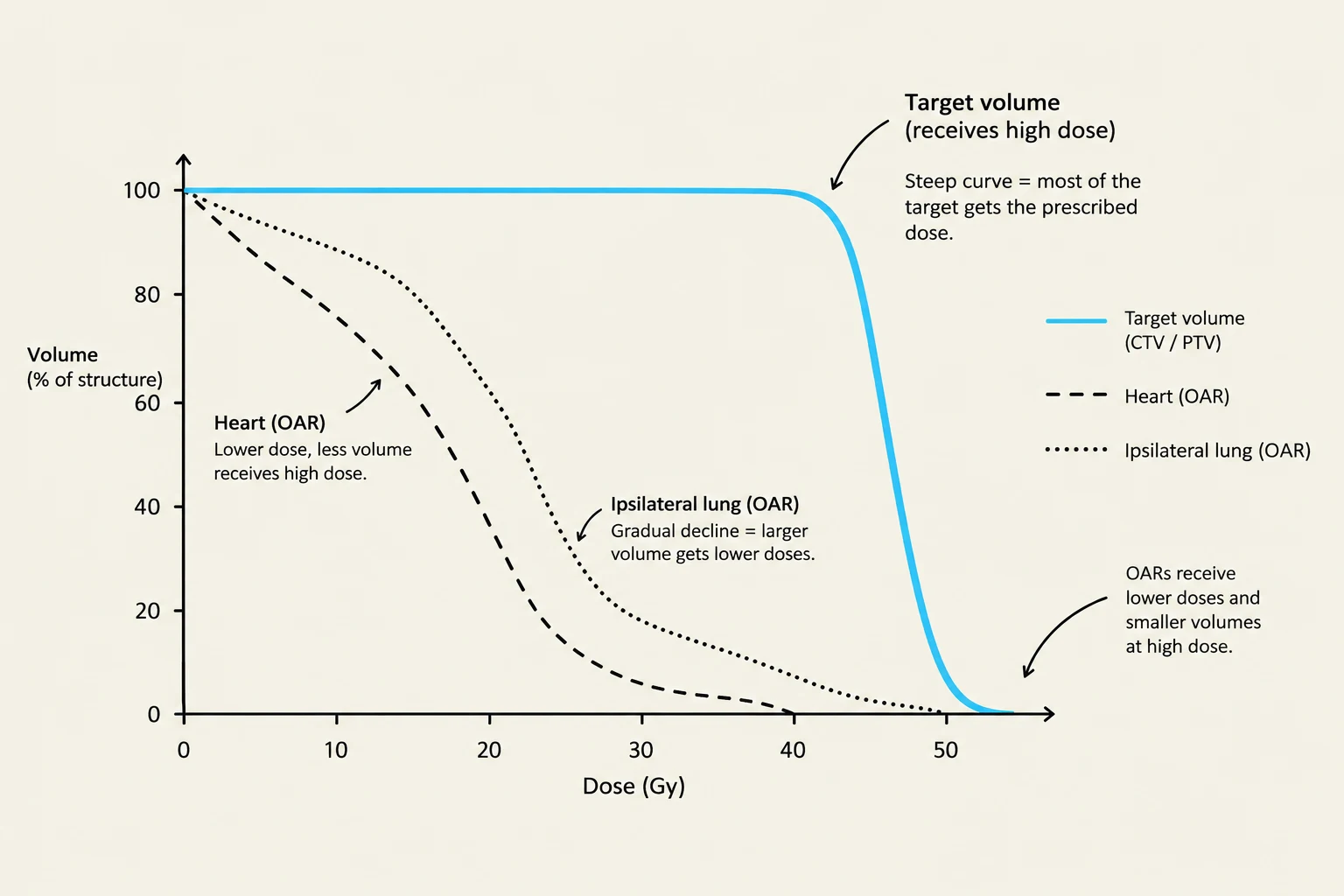
The foundation of effective radiation therapy lies in accurate localization and volume definition. Modern protocols rely on 3D CT-based treatment planning, where high-resolution computed tomography scans allow clinicians to visualize the anatomy in three dimensions. This allows for the precise delineation of the target volumes (the areas intended to receive the radiation) and the organs at risk (OAR).
In breast cancer, the OARs are critical because they are often located in close proximity to the treatment field. Key OARs include the heart, lungs, and contralateral breast. To minimize dose to these structures, several advanced techniques are employed:
- Deep-Inspiratory Breath-Hold (DIBH): This technique involves the patient holding their breath at full inspiration during treatment. This increases the distance between the chest wall and the heart, significantly reducing the radiation dose to the cardiac tissue.
- Image-Guided RT (IGRT): By using imaging (such as cone-beam CT) immediately before or during treatment, clinicians can verify the patient's setup and ensure the target has not shifted, maintaining the intended dose distribution.
Clinical Pearl: When planning for left-sided breast cancer, DIBH is a primary strategy used to mitigate the risk of long-term cardiovascular toxicity by shielding the heart.

Keep reading for free.
Create an account to finish this reading and make it part of your study routine.
Continue reading freeAlready have an account? Log in
Updated