


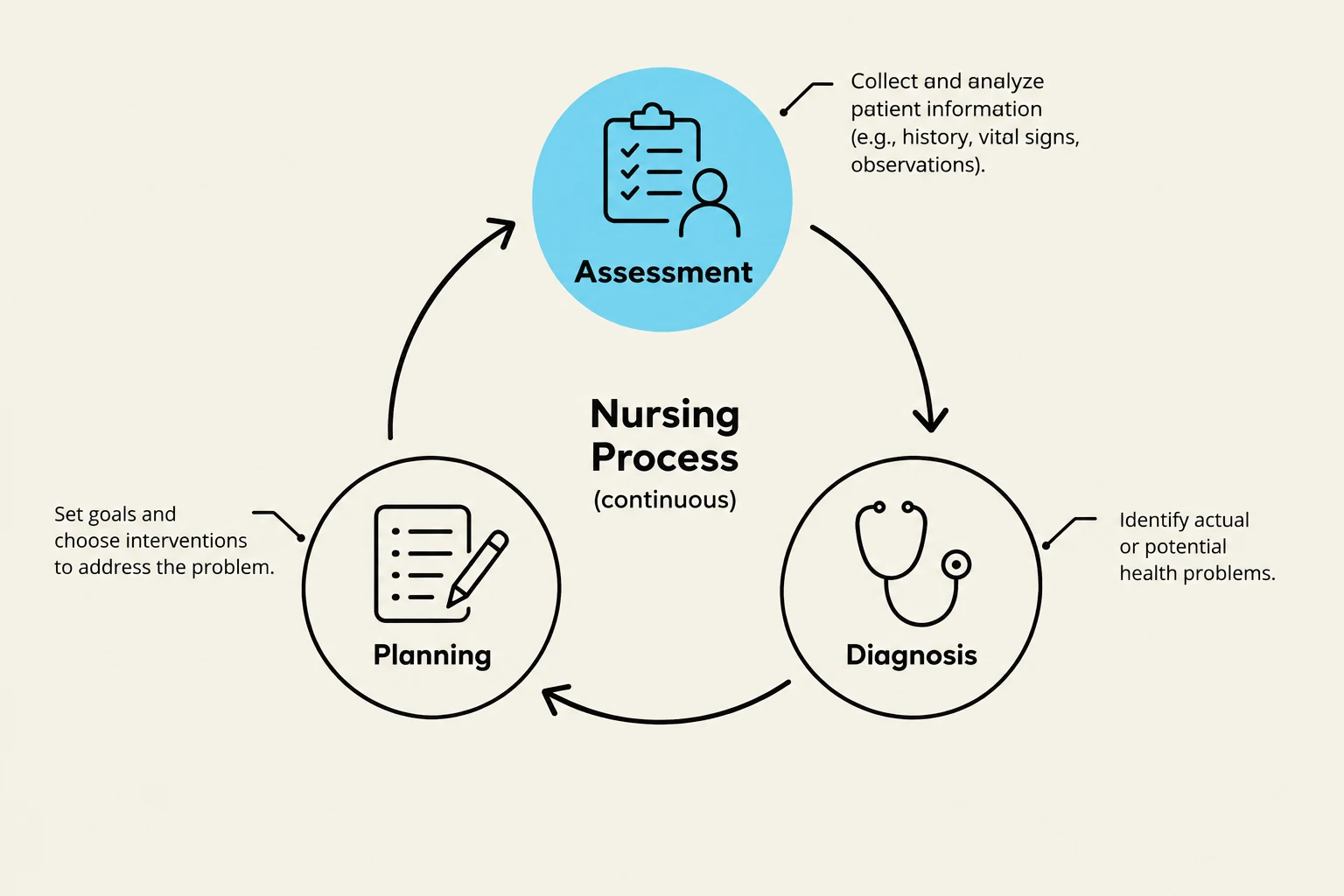
Medication administration is one of the most critical responsibilities in nursing practice. It is not merely the act of handing a pill to a patient; rather, it is a complex, continuous process that requires precise adherence to prescriber orders, a deep understanding of drug actions, and the application of the nursing process to ensure patient safety. Errors in this process can have life-threatening consequences, making it essential for nurses to master both the "how" and the "why" of pharmacology.
The Foundation: Components of a Medication Order
Before any medication can be administered, a nurse must verify that a valid, complete medication order exists. A legal medication order is a directive from a licensed prescriber that must contain specific elements to ensure there is no ambiguity.
A complete order must include:
- Patient Name: To ensure the right person receives the drug.
- Date and Time: When the order was written.
- Medication Name: Both the generic and brand names should be identified.
- Dosage: This includes both the amount (e.g., 500 mg) and the strength (e.g., 250 mg/5 mL).
- Route: How the medication is given (e.g., oral, intravenous, topical).
- Frequency/Time: How often the medication is given and the specific schedule.
- Signature: The order must be signed by a licensed prescriber.
Ensuring Safety: The Rights of Medication Administration
To prevent medication errors, nurses follow a standardized set of "Rights." While many institutions expand this list, the core principles focus on verification and patient autonomy.
- Right Patient: Always use at least two unique identifiers (such as name and date of birth).
- Right Medication: Match the medication label against the active order. If the medication does not seem appropriate for the patient, question it.
- Right Dose: Perform accurate calculations and ensure the dose falls within a safe range.
- Right Route: Use the specific route ordered by the prescriber.
- Right Time: Adhere to the medication schedule and verify when the last dose was administered.
- Right Documentation: Record the administration promptly and accurately.
- Right Indication: Understand the reason (the "why") the medication is being given.
- Right to Know: Educate the patient about the medication to allow for informed decision-making.
- Right to Refuse: Patients have the autonomy to refuse. If they do, document the refusal and notify the provider.
- Right Response: Monitor the patient to see if the medication had the intended effect and document the outcome.

Keep reading for free.
Create an account to finish this reading and make it part of your study routine.
Continue reading freeAlready have an account? Log in
Updated